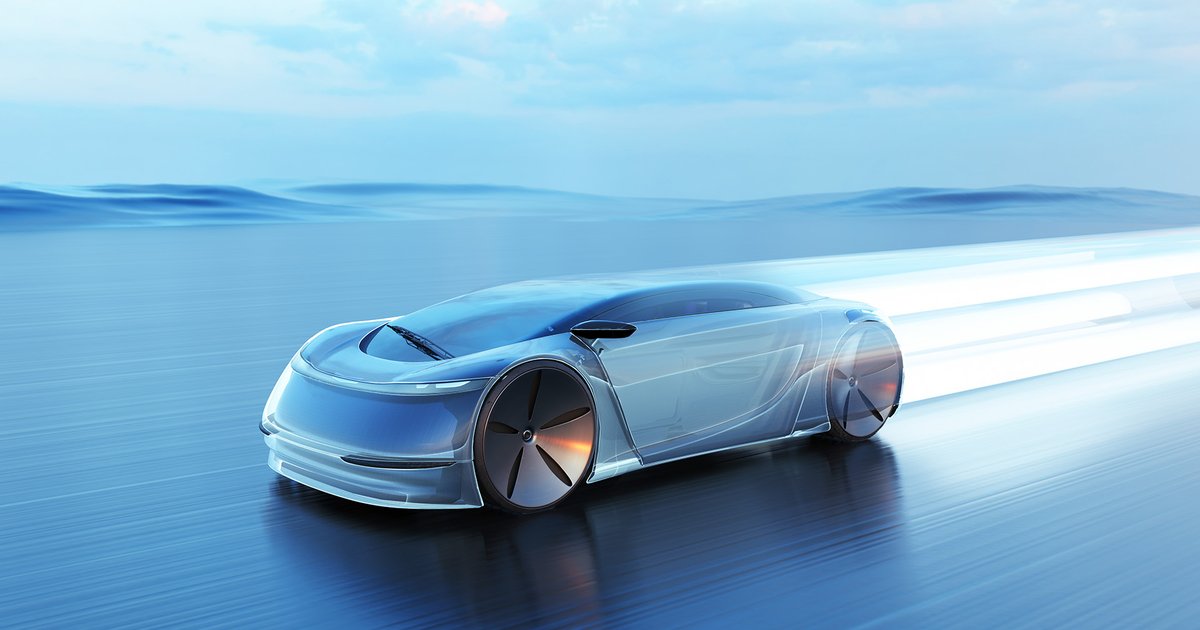
Attention is turning towards electric vehicles as a sustainable and smart choice amid the radical changes the world is experiencing after conflicts and wars. With increasing environmental and economic awareness, the importance of electric cars emerges as an alternative solution to traditional energy problems. In this article, we explore six main reasons that may prompt you to consider acquiring an electric vehicle.
Firstly, electric cars are more energy-efficient compared to traditional vehicles. Their electric motors provide up to 60% more energy compared to internal combustion engines. This means that operating costs will be lower in the long run, making them a smart economic choice.
Event Details
Secondly, electric vehicles contribute to reducing carbon emissions, making them an environmentally friendly option. In light of climate change threatening our planet, transitioning to electric cars is an important step towards achieving sustainability goals. Many countries have begun implementing policies that encourage the use of electric vehicles, reflecting the global trend towards clean energy.
Thirdly, governments are offering financial incentives to consumers who purchase electric vehicles. These incentives include tax reductions and direct financial support, making the purchase cost lower compared to traditional cars. This could be a strong motivator for consumers to shift towards electric options.
Background & Context
Historically, the automotive industry has undergone significant transformations, with electric cars beginning to emerge in the early 20th century. However, traditional fuel-powered vehicles dominated for many decades. But with increasing environmental awareness and rising fuel prices, manufacturers started rethinking their strategies, leading to an increase in electric vehicle production.
In recent years, electric vehicles have seen remarkable technological advancements, making them more appealing to consumers. Major companies like Tesla, Nissan, and Volkswagen have begun investing billions of dollars in developing this technology, contributing to improved performance and increased driving range.
Impact & Consequences
The shift towards electric vehicles has wide-ranging effects on the global economy. As the demand for these cars rises, the energy sector is expected to undergo a significant transformation, with an increased need for renewable energy sources such as solar and wind power. This shift could help create new job opportunities in clean energy and technology sectors.
Moreover, this trend may lead to a reduction in dependence on oil, positively impacting the stability of global markets. Oil-producing countries may face new challenges as a result of this transition, prompting them to reassess their economic strategies.
Regional Significance
In the Arab region, the transition to electric vehicles presents an opportunity to enhance sustainability and reduce reliance on fossil fuels. Many Arab countries have begun exploring renewable energy options, positioning them well to benefit from this global trend. For instance, the United Arab Emirates and Saudi Arabia are investing in solar energy projects, which could support the use of electric vehicles.
In conclusion, it seems that electric vehicles are not just a technical option but a step towards a more sustainable future. With increasing environmental and economic awareness, these cars may be the optimal solution to face the challenges arising in the world after conflicts and wars.