Hezbollah's Secretary-General, Naeem Qassem, asserted that proposing negotiations with Israel 'under fire' is considered surrender, indicating that this type of negotiation threatens Lebanon's capabilities and weakens its position. This statement was made during a declaration issued by Qassem on Wednesday, where he called on the Lebanese government to reconsider its decision to criminalize the activities of the party and its fighters.
Qassem clarified that negotiating with the Israeli enemy under the current circumstances is an imposition of surrender, which contradicts Lebanon's national interests. He emphasized that this approach deprives the country of its defensive capabilities and weakens its position in facing regional challenges.
Details of the Event
In his remarks, Qassem pointed out that negotiations with Israel should take place under favorable conditions, not under the pressure of fire. He considered that any attempt to negotiate at this time reflects a weakness in the Lebanese position and leads to a loss of national sovereignty. Qassem also urged the Lebanese government to review its stance on Hezbollah, which he views as part of the resistance against the Israeli occupation.
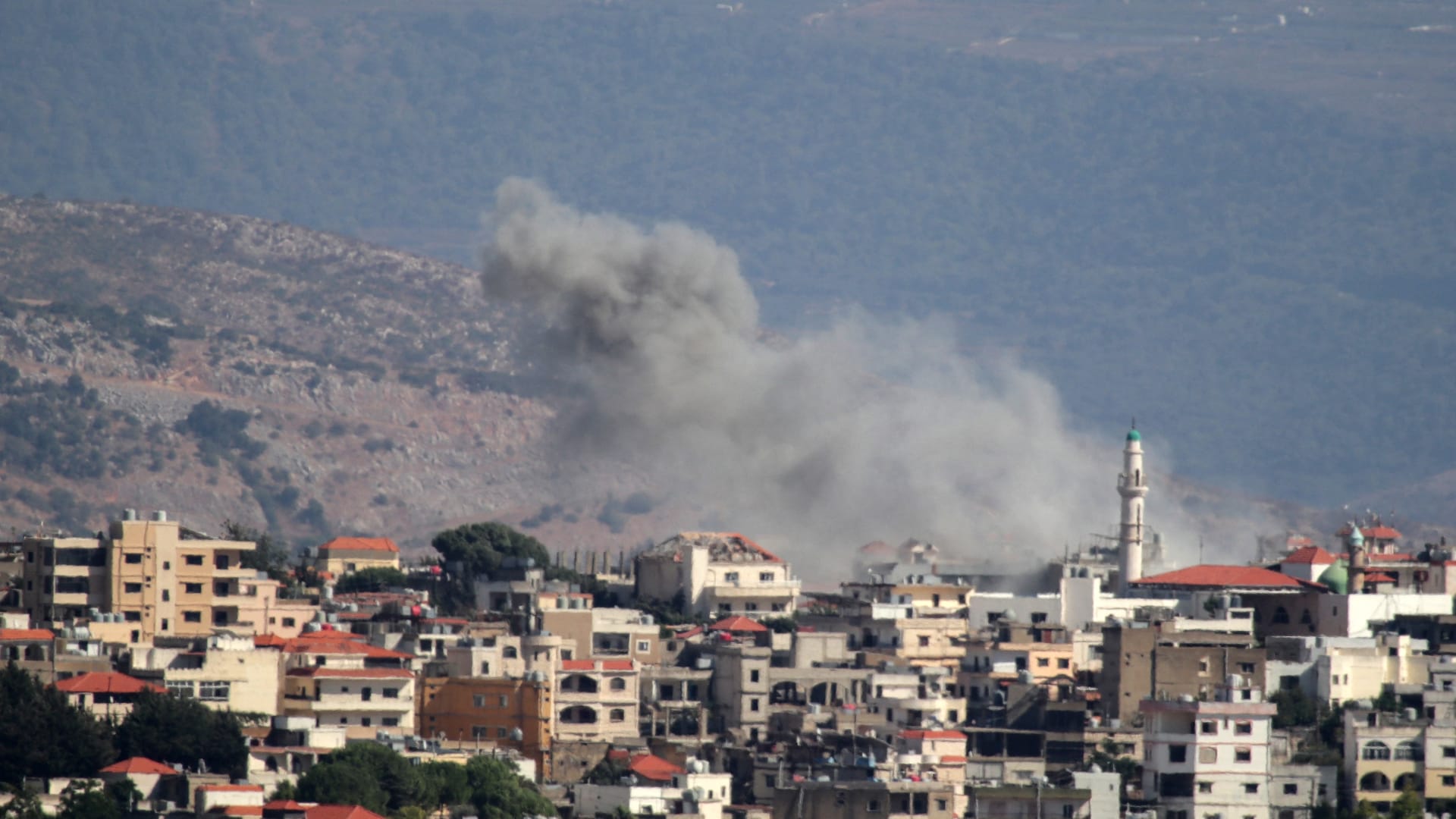
This statement comes at a sensitive time when the region is witnessing increasing tensions, with fears of a potential military escalation between Israel and Hezbollah on the rise. This situation has raised concerns among many observers who believe that any escalation could have serious repercussions on security and stability in Lebanon and the region.
Background & Context
Historically, the relationship between Lebanon and Israel has been tense, with several wars and conflicts occurring over the past decades. Hezbollah, which was established in the 1980s, considers itself a defender of Lebanon against the Israeli occupation and has engaged in several military confrontations with Israeli forces. In recent years, tensions between the two sides have escalated, particularly following the conflicts in Syria and their impacts on the Lebanese situation.
In recent years, the Lebanese government has taken steps to criminalize Hezbollah's activities, which the party views as an attack on the resistance. These decisions come amid international and regional pressures aimed at reducing the party's influence in Lebanon, complicating the Lebanese political landscape further.
Impact & Consequences
Qassem's recent statements could exacerbate tensions between Hezbollah and the Lebanese government, potentially negatively affecting internal stability. Additionally, these positions could lead to a possible military escalation with Israel, threatening regional security. If the situation continues as it is, Lebanon may find itself facing greater challenges that require decisive stances.
Moreover, these statements could impact Lebanon's relations with the international community, as many countries seek to support the Lebanese government in facing economic and political challenges. If the government continues to criminalize Hezbollah's activities, it may face additional pressures from the international community.
Regional Significance
Qassem's statements are part of the broader conflict between resistance forces and the Israeli occupation, which affects many Arab countries. The Israeli-Palestinian conflict and tensions in Lebanon directly impact security and stability in the region. Furthermore, any escalation in Lebanon could reflect on neighboring countries, complicating the situation in the Middle East.
In conclusion, the situation in Lebanon remains complex, with internal and external interests intertwining. It requires all parties to work towards peaceful solutions to avoid further escalation that could have dire consequences for Lebanon and the region.