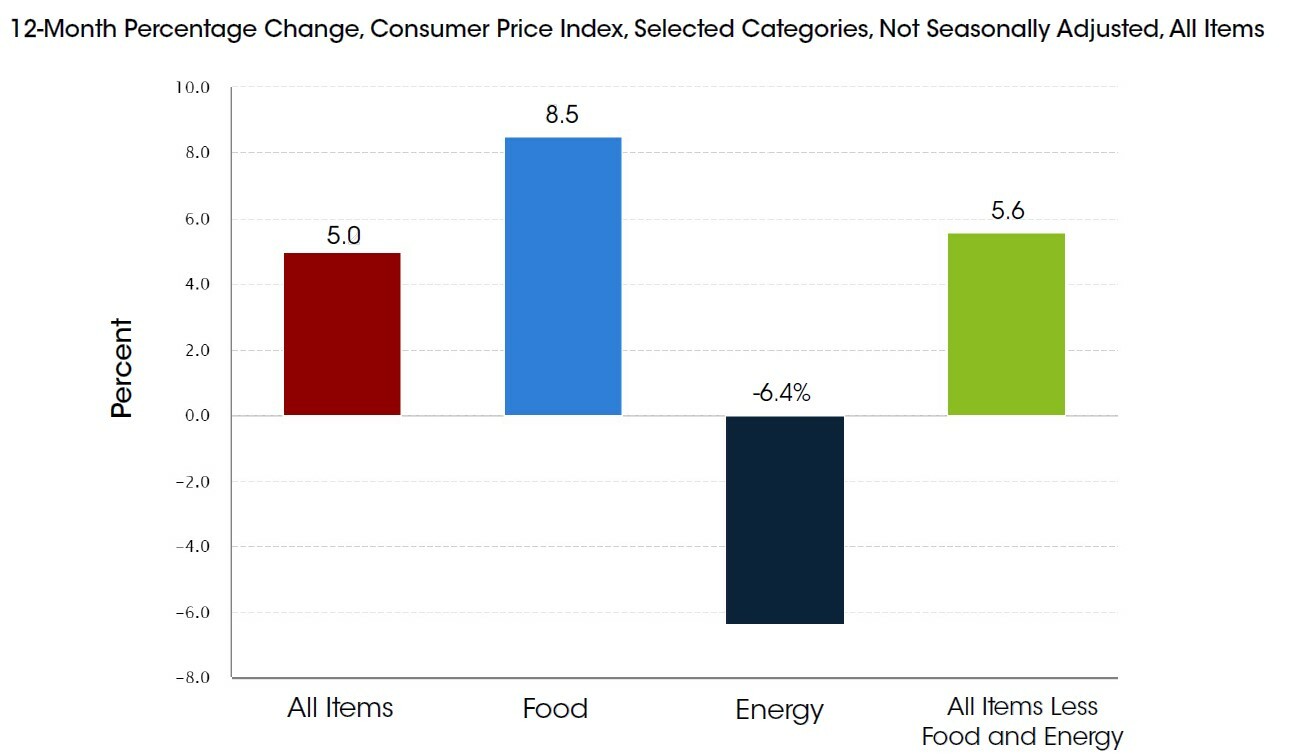
Consumer prices in South Korea recorded an increase of 2.2% during March 2023, reflecting the ongoing impact of rising global oil prices. This increase comes at a time when the Korean economy faces significant challenges, as it strives to recover from the repercussions of the COVID-19 pandemic.
According to data released by the Korean Statistics Office, this rise is the highest in several months, raising concerns about inflation and its impact on citizens' purchasing power. Experts attribute this increase to the noticeable rise in energy prices, which directly affect living costs.
Details of the Event
The figures show that food prices also experienced a significant increase, rising by 3.5% compared to the same period last year. This price hike places additional pressure on Korean households, which are already struggling with high living costs.
The report also indicated that transportation costs rose by 4.1%, reflecting the impact of rising oil prices on transportation and commuting expenses. These combined factors suggest that inflation may continue to rise in the coming months, necessitating effective government measures to mitigate its impact on citizens.
Background & Context
Historically, South Korea has experienced fluctuations in consumer prices due to changes in global oil prices. In recent years, the government has made attempts to mitigate the impact of these fluctuations on the domestic economy by enhancing local energy production and diversifying energy sources.
The Korean economy is heavily reliant on exports, making it vulnerable to external influences. In light of global crises, such as the COVID-19 pandemic and the war in Ukraine, it has become essential for the Korean government to take proactive measures to protect the local economy.
Impact & Consequences
The rise in consumer prices could lead to a reduction in consumer spending, negatively affecting economic growth. If inflation continues to rise, the government may be forced to take measures such as raising interest rates to curb inflation, which could impact investments and overall economic growth.
Furthermore, rising prices may increase social pressures, as citizens will feel the effects of these hikes in their daily lives. Therefore, it is crucial for the government to adopt effective economic policies to address these challenges.
Regional Significance
Oil prices are a key factor affecting the economies of Arab countries, as many of these nations rely on oil revenues as a primary source of income. Consequently, rising oil prices in global markets may lead to increased revenues in some Arab countries, but it may also cause a rise in living costs.
At the same time, these price increases may affect trade relations between Arab countries and South Korea, potentially leading to changes in import and export patterns. Therefore, it is important to monitor price developments and their impact on the regional economy.
In conclusion, the rise in consumer prices in South Korea reflects significant economic challenges facing the country, and the government must take effective steps to address these challenges. This situation also highlights the importance of monitoring oil prices and their impact on the global economy.