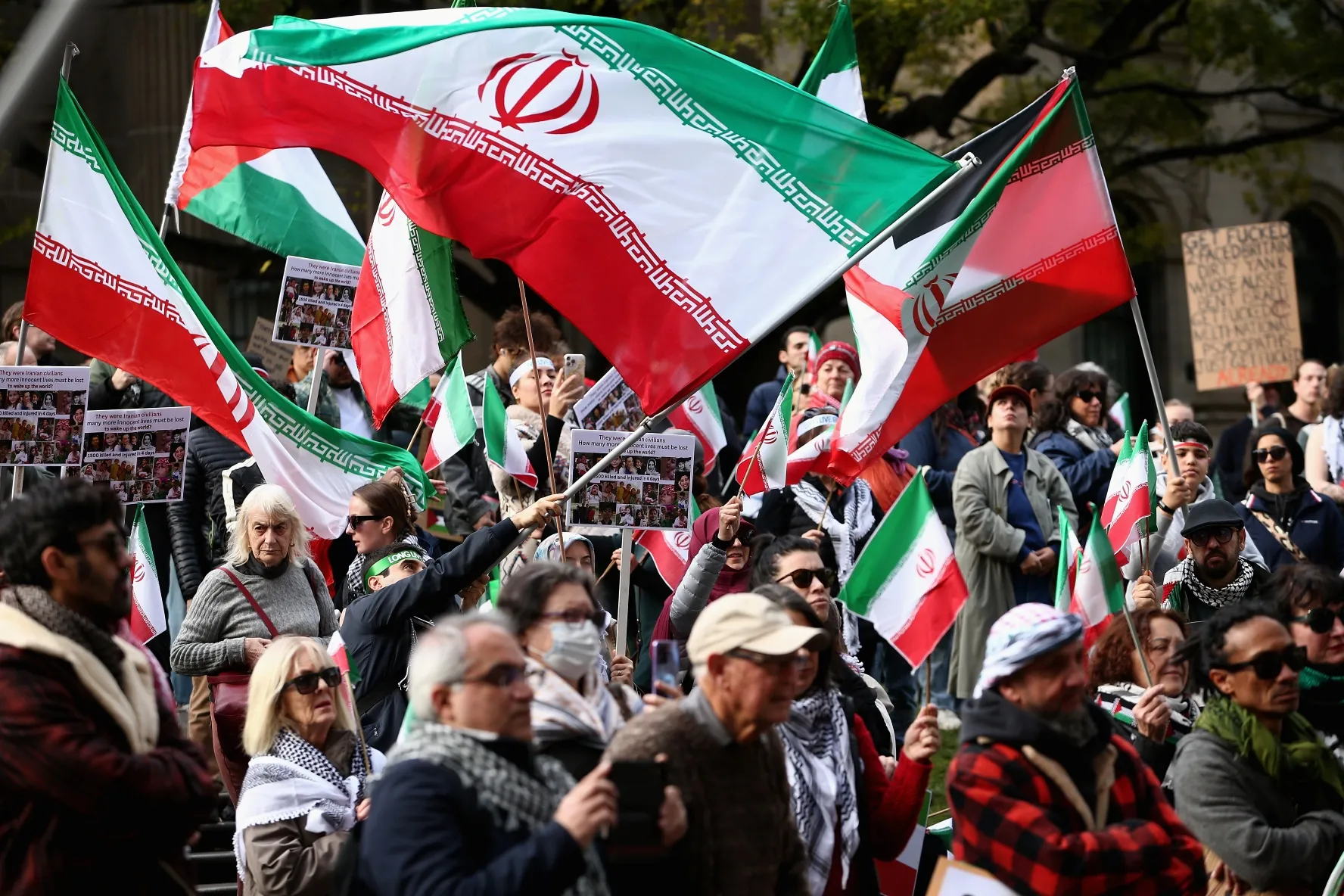
American consumer sentiment has noticeably decreased, reaching its lowest level in three months amid escalating tensions stemming from the war in Iran. The data shows that this decline reflects increasing fears among consumers regarding economic and political conditions.
According to reports, the ongoing conflict in Iran has directly impacted consumer confidence, prompting individuals to cut back on spending and exercise caution in financial decisions. This downturn is indicative of rising anxiety among the American populace, as international circumstances cast shadows over the domestic economy.
Details of the Event
Figures released by the U.S. Department of Commerce indicate that the consumer confidence index fell to 98.5 points last month, down from 102.3 points the previous month. This decline marks the largest drop since the beginning of the year, reflecting instability in global markets and its impact on the American economy.
Experts have noted that the conflict in Iran has led to rising oil prices, which further increases pressure on consumers. Fuel prices have seen a significant rise, affecting American household budgets and heightening concerns about inflation.
Background & Context
Historically, military conflicts have had a substantial impact on the American economy. Over the decades, the United States has experienced declines in consumer confidence during times of war and conflict. In the case of Iran, the current tensions come at a sensitive time as the American economy seeks to recover from the effects of the COVID-19 pandemic.
It is worth noting that U.S.-Iran relations have seen increasing tensions since the United States withdrew from the nuclear agreement in 2018. Since then, the intensity of the conflict has escalated, affecting regional and international stability.
Impact & Consequences
The impact of the conflict in Iran on consumer sentiment in the United States is expected to persist. As fears of escalation grow, consumers may further reduce spending, negatively affecting economic growth. This decline in confidence could lead to reduced investments and increased unemployment rates.
Additionally, rising oil prices may translate into higher transportation and goods costs, increasing inflationary pressures. Consequently, the U.S. government may find itself compelled to take new measures to support the economy and stimulate growth.
Regional Significance
The situation in Iran directly affects the Arab region, as Iran is a key player in many regional conflicts. Escalating tensions could lead to increased instability in neighboring countries, negatively impacting the Arab economy as a whole.
While rising oil prices due to the conflict may provide some benefits to oil-producing countries in the region, they could simultaneously exacerbate economic crises in oil-importing nations.
In conclusion, the impact of the conflict in Iran on American consumer sentiment serves as a wake-up call for the global economy, as tense conditions may lead to widespread repercussions affecting all nations.