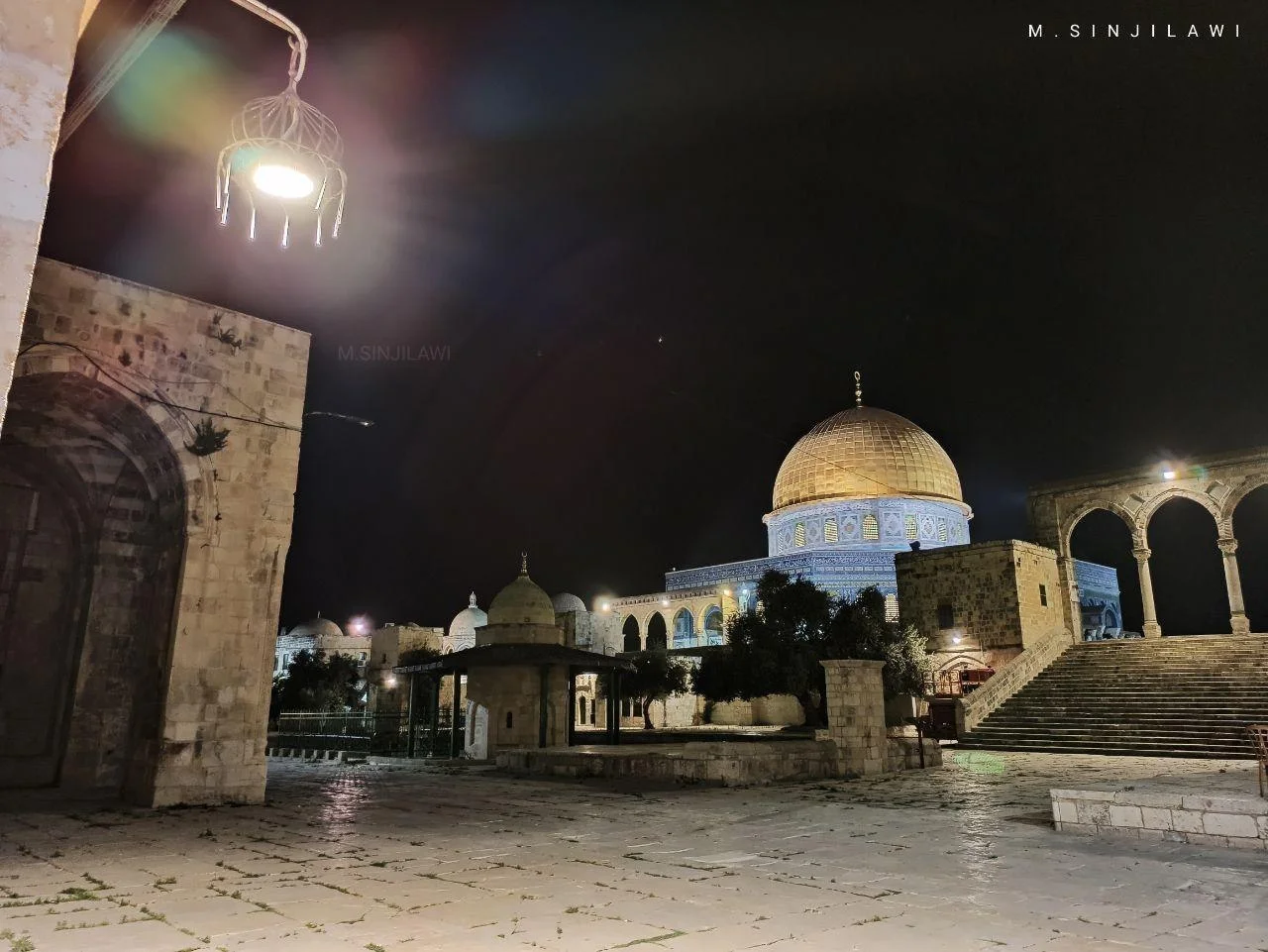
The Israeli occupation authorities are still closing Al-Aqsa Mosque and the Church of the Holy Sepulchre in Jerusalem, imposing strict restrictions on access to these two important religious sites for the 39th consecutive day. This action comes amid escalating tensions in the holy city, raising fears of worsening conditions.
This step is seen as part of the occupation's policy aimed at undermining the Palestinian presence in Jerusalem, where Palestinians are facing increasing pressures under these restrictions. These measures have prevented many worshippers and tourists from reaching these sacred places.
Details of the Situation
Since the beginning of the closure, Jerusalem has witnessed rising tensions, with occupation forces gathering around Al-Aqsa Mosque and the Church of the Holy Sepulchre. Security measures have been intensified, leading to clashes between Palestinians and occupation forces. Arrests of Palestinian citizens have also been reported during these events.
It is noteworthy that the closure of Al-Aqsa and the Church of the Holy Sepulchre comes at a sensitive time, coinciding with significant religious occasions for both Muslims and Christians, further intensifying public discontent and anger.
Background & Context
Historically, Jerusalem has experienced numerous crises due to the Israeli-Palestinian conflict. The city has been the focal point of many disputes, with Al-Aqsa Mosque and the Church of the Holy Sepulchre being significant symbols for both Islam and Christianity. In recent years, tensions have escalated due to attempts by the occupation to alter the status quo in the city.
These measures are part of the occupation's strategy to control the holy city, aiming to reduce the Palestinian presence and promote settlement expansion. Such policies have exacerbated the humanitarian and social conditions in Jerusalem.
Impact & Consequences
These actions directly affect the lives of Palestinians, who face difficulties in accessing places of worship. The continued closure contributes to increasing discontent and anger, which may lead to further escalation in the city.
Moreover, these policies impact the relations between Palestinians and Israelis, fostering feelings of hatred and division. The international community is closely monitoring these developments, which may lead to future diplomatic interventions.
Regional Significance
The events in Jerusalem hold particular importance for Arabs and Muslims worldwide. These actions provoke angry reactions in Arab countries, leading to organized demonstrations and protests against the occupation. Additionally, these events contribute to enhancing Arab solidarity with the Palestinian cause.
In conclusion, the situation in Jerusalem remains complex, requiring a comprehensive solution that ensures the rights of Palestinians and promotes peace in the region. The continued closure of Al-Aqsa and the Church of the Holy Sepulchre poses a significant challenge to efforts aimed at achieving stability in the holy city.