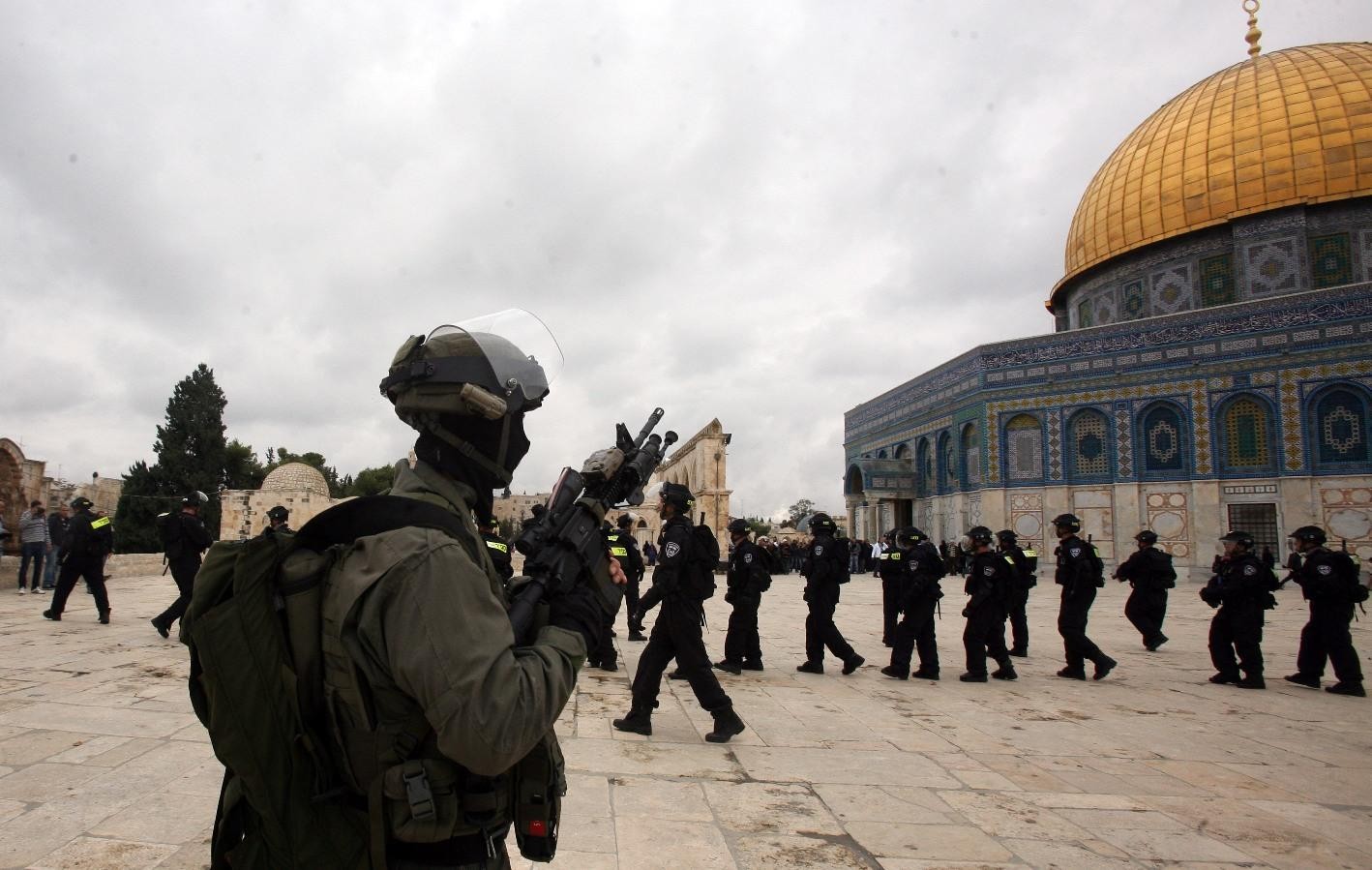
The Israeli occupation continues to close the Al-Aqsa mosque for the 36th day, raising increasing concerns about the repercussions of this action on the situation in Jerusalem. Many international and local entities have expressed their worries about the potential escalation that could arise from these measures.
This closure comes at a sensitive time, as tensions in the region are escalating, with many Palestinians expressing their discontent with these policies, which they view as violations of their religious and national rights.
Details of the Event
Since the beginning of the closure, the Al-Aqsa mosque has witnessed a significant decline in the number of worshippers, as many have been denied entry, negatively impacting religious and social life in Jerusalem. Eyewitnesses have reported that the occupation forces are imposing strict restrictions on entry, increasing the tension among Palestinians.
This closure is part of the occupation's policy aimed at controlling holy sites, and both local and international reports have documented a rise in violations against worshippers, reflecting an escalation in Israeli policies towards Palestinians.
Background & Context
Historically, the Al-Aqsa mosque is one of the most sacred sites for Muslims and has been a focal point of ongoing tensions between Palestinians and Israelis. The past years have witnessed numerous events that have led to heightened tensions, including repeated incursions into the mosque by Israeli settlers.
These events coincide with increasing international calls for the necessity to respect Palestinian rights, as human rights organizations continue to highlight the violations faced by Palestinians in Jerusalem.
Impact & Consequences
The continued closure of Al-Aqsa may exacerbate the situation in Jerusalem, as protests and confrontations between Palestinians and occupation forces are expected to increase. This action may also affect relations between Palestinians and Israelis, further polarizing the situation in the region.
Some analyses predict that this escalation could lead to international interventions, as certain countries may seek to pressure the occupation to lift the restrictions imposed on Al-Aqsa, potentially contributing to a de-escalation of tensions.
Regional Significance
The issue of Al-Aqsa mosque is a central concern in the Palestinian-Israeli conflict and has direct implications for relations between Arab countries and Israel. Arab nations are closely monitoring the developments in Jerusalem with great concern, and these events may influence their political stances towards the occupation.
Furthermore, the ongoing closure of Al-Aqsa could provoke popular reactions in Arab countries, potentially leading to heightened positions against the occupation and strengthening Arab solidarity with the Palestinian cause.
In conclusion, the closure of Al-Aqsa for the 36th day stands as a sign of escalating tensions in the region and reflects the ongoing challenges faced by Palestinians in their pursuit of maintaining their religious and national rights.