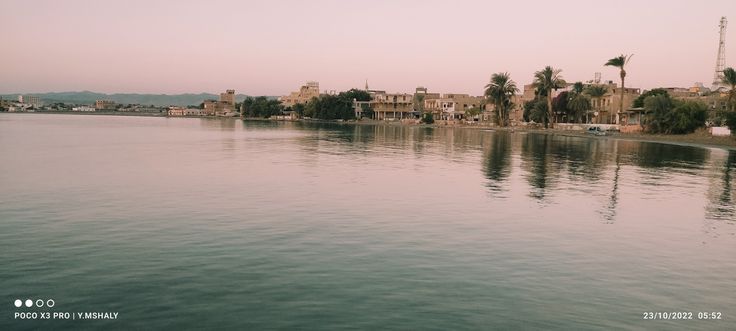
The Red Sea Water Company is actively working to drain accumulated rainwater in Al-Qusayr city to mitigate the impact of recent floods that have swept through the area. This initiative aims to improve public services and ensure citizen safety.
Al-Qusayr city, located on the Red Sea coast, has been significantly affected by the heavy rains that fell recently, leading to large amounts of water accumulating in the streets and residential neighborhoods. The company has mobilized work teams and necessary equipment to address this crisis.
Details of the Efforts
As part of its ongoing efforts, the Red Sea Water Company has deployed specialized teams for water drainage, utilizing powerful pumps to remove water from affected areas. Company officials have reported that they are working around the clock to ensure a swift and effective response, providing necessary support to citizens.
Coordination has also taken place with local authorities to ensure that necessary assistance is provided to affected families, including the distribution of food supplies and humanitarian aid to households impacted by the floods. These efforts come at a critical time when citizens need support amid challenging weather conditions.
Background & Context
Al-Qusayr is considered one of Egypt's important coastal cities, renowned for its natural beauty and strategic location. However, it faces multiple environmental challenges, including climate change that leads to increased rainfall and flooding. The city has experienced several similar incidents in recent years, highlighting the need for infrastructure enhancement and the development of emergency plans.
Historically, Al-Qusayr was an important commercial center, but it now requires greater investments in infrastructure to tackle environmental challenges. Recent floods have underscored the urgent need to update sewage systems and develop effective water management strategies.
Impact & Consequences
The floods significantly affect the lives of citizens in Al-Qusayr, disrupting traffic and damaging property. These conditions may also lead to the spread of diseases due to stagnant water, necessitating urgent health measures. Local authorities have emphasized the importance of raising awareness among citizens on how to handle such crises.
Economically, the floods may impact business activities in the city, prompting the government to take measures to compensate those affected and support the local economy. Previous experiences have shown that rapid response can minimize damage and help restore normalcy more quickly.
Regional Significance
Floods and heavy rains are common challenges faced by many Arab countries, especially amid climate change. The experience of Al-Qusayr could serve as an important lesson for other cities in the region, where governments must enhance emergency plans and develop infrastructure to confront these challenges.
Moreover, regional cooperation in water management and urban planning could positively impact flood mitigation efforts. It is essential for Arab nations to adopt comprehensive strategies to address these natural phenomena, including improving sewage systems and developing public awareness programs.
The efforts of the Red Sea Water Company in draining rainwater represent a positive step towards improving living conditions in Al-Qusayr city. However, challenges remain, necessitating ongoing collaboration between government entities and the local community to address future crises.