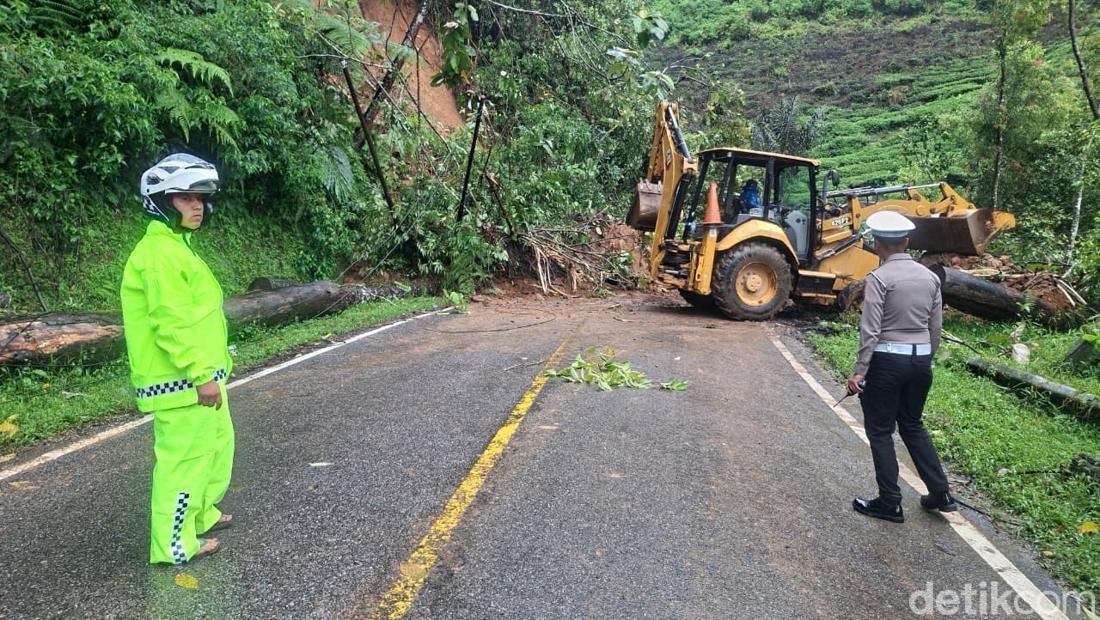
The Indonesian government has confirmed that efforts to rehabilitate the alternative road between Padang and Bukittinggi via Malalak, which was damaged due to hydrometeorological disasters in November 2025, will continue gradually. This decision comes as part of the government's commitment to improving infrastructure and ensuring safe routes for citizens.
The road rehabilitation project will be funded by the national budget, with the National Road Implementation Office (BPJN) scheduled to begin the necessary bidding processes after August 2026. This project is part of the government's plan to enhance the road network in the country and improve access to remote areas.
Details of the Incident
The Malalak road was significantly damaged due to floods and landslides that occurred in the region in November 2025. These disasters led to the closure of the road, affecting traffic and trade between Padang and Bukittinggi. The government, through BPJN, is working on a comprehensive plan to permanently rehabilitate the road, which will contribute to improving the living conditions of local residents.
Reports indicate that the rehabilitation will include infrastructure improvements to the road, such as enhancing safety features and widening the road at certain points. Modern construction techniques will also be employed to ensure the road's sustainability in the face of future disasters.
Background & Context
Indonesia is one of the countries facing significant challenges due to natural disasters, frequently experiencing floods and earthquakes. Historically, the country has witnessed numerous disasters that have led to widespread destruction of infrastructure. In recent years, the government has taken serious steps to improve disaster response and strengthen infrastructure.
These efforts align with the government's vision to promote sustainable development and improve the quality of life for citizens. Road rehabilitation is considered a fundamental part of this vision, as it contributes to enhancing the local economy and facilitating trade.
Impact & Consequences
The rehabilitation of the Malalak road is expected to have a positive impact on the local economy, as it will facilitate the movement of goods and people between cities. Additionally, improving infrastructure will help attract investments to the region, thereby enhancing job opportunities and reducing poverty.
Moreover, this project will strengthen the government's capacity to deal with future natural disasters, as it will contribute to building roads that are more resilient to climate changes. This is a significant step towards achieving sustainable development in the country.
Regional Significance
Indonesia's experience in dealing with natural disasters and rehabilitating infrastructure serves as a model that Arab countries can benefit from, especially those facing similar challenges. Arab nations can learn from Indonesia's lessons in enhancing their disaster response capabilities and improving their infrastructure.
In light of increasing climate changes, cooperation between Arab countries and Indonesia in disaster management could improve disaster response and preparedness, thereby enhancing security and stability in the region.