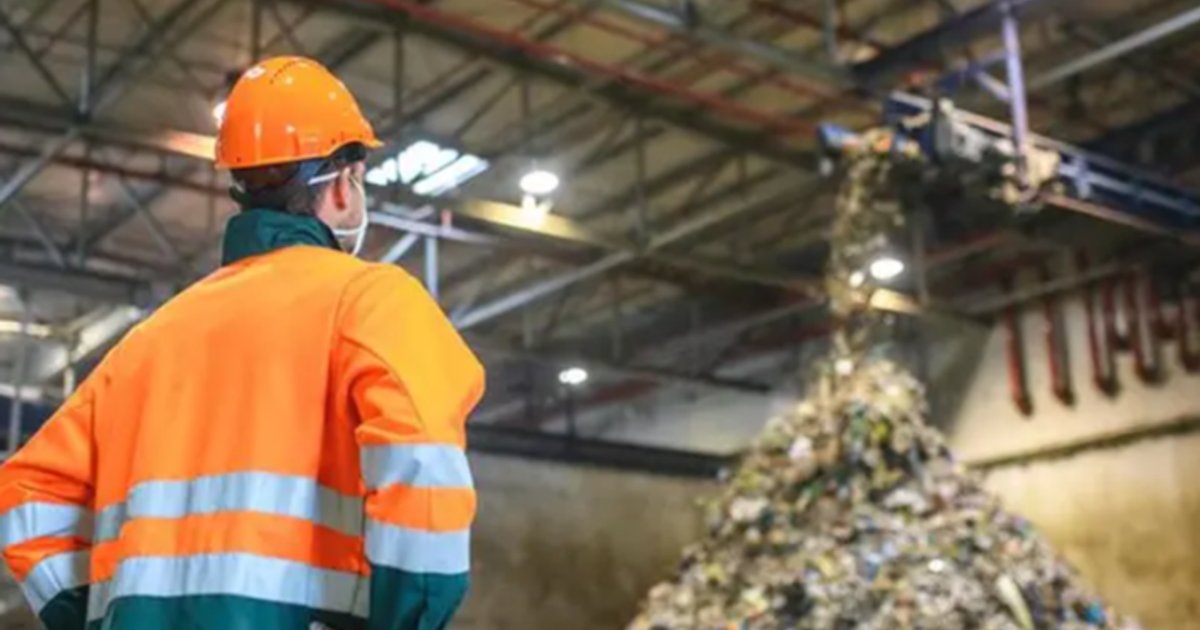
Local authorities in Giza are continuing their efforts to remove waste from the streets, implementing comprehensive operations that cover both main and secondary roads. This campaign is part of an integrated plan aimed at improving public cleanliness and enhancing the health environment for citizens.
The Giza Governorate seeks to present a civilized image of the city, as the waste removal operations include cleaning streets of garbage and debris, in addition to organizing awareness campaigns for citizens about the importance of maintaining public cleanliness.
Details of the Campaign
The campaign began in several vital areas of Giza, where specialized teams equipped with the necessary equipment for waste removal were deployed. Officials from the governorate indicated that this campaign will continue for an extended period and will cover all neighborhoods and areas suffering from waste accumulation.
Additionally, a number of transport vehicles have been allocated for periodic waste collection, with a clear timeline established to ensure that waste does not accumulate again. These steps are part of the governorate's efforts to improve the quality of life for citizens.
Background & Context
The issue of waste accumulation in the streets is one of the significant challenges facing major cities, including Giza. In recent years, there has been an increase in the volume of waste due to rapid population growth and increased commercial activities.
The Egyptian government is striving to address this issue by implementing strategic plans that include improving the infrastructure for waste collection and enhancing environmental awareness among citizens. Several initiatives have been launched to encourage recycling and reduce waste.
Impact & Consequences
The waste removal efforts positively impact the public health of citizens, as they help reduce the spread of diseases resulting from garbage accumulation. These efforts also enhance the overall image of the city, which may contribute to attracting tourists and investors.
Moreover, improving the level of public cleanliness can lead to increased environmental awareness among citizens, thereby strengthening future efforts to preserve the environment.
Regional Significance
The waste issue is a common challenge among many Arab countries, with numerous cities facing similar challenges. Therefore, Giza's success in addressing this problem could serve as a model for other Arab cities.
Arab countries are striving to improve their urban environments through the implementation of sustainable development projects, reflecting the importance of regional cooperation in addressing environmental challenges.
In conclusion, the waste removal efforts in Giza represent an important step towards improving the quality of life in the city and reflect the Egyptian government's commitment to promoting a healthy environment for its citizens.