The ongoing conflict in Sudan is escalating, with the Sudanese army announcing that it will not accept any ceasefire unless the Rapid Support Forces (RSF) withdraw from urban areas. In contrast, the RSF has stated that it is prepared to accept truces, despite continuing its military operations.
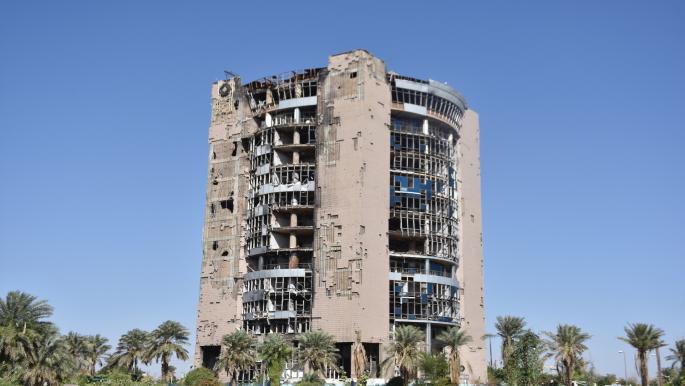
This escalation comes at a time when the country is facing a worsening humanitarian crisis, as civilians suffer from the consequences of the ongoing fighting, which has led to the displacement of thousands of families and the destruction of infrastructure.
Details of the Current Situation
Reports indicate that the Sudanese army insists on the necessity of the RSF's withdrawal from urban areas, which it considers a fundamental condition for any negotiations regarding a ceasefire. Meanwhile, the RSF continues its military operations, complicating the security situation in the country.
This tension between the two sides reflects the depth of the political and military crisis that Sudan has been experiencing since the ousting of former President Omar al-Bashir in 2019, as both the armed forces and the RSF seek to control power and influence in the country.
Background & Context
The RSF was established in 2013 and was considered part of the Sudanese security forces. As political tensions escalated, these forces began to play a larger role in the power struggle, leading to increased fighting with the Sudanese armed forces.
Historically, Sudan has witnessed numerous armed conflicts, but the current situation is considered one of the most dangerous crises the country has faced in decades. The ongoing conflict reflects deep-seated rivalries among various armed groups competing for resources and influence.
Impact & Consequences
Concerns are growing that the continuation of fighting may exacerbate the humanitarian situation, with civilians suffering from severe shortages of food, water, and healthcare. The conflict could also lead to the spread of diseases and epidemics, further increasing the suffering of the population.
Regionally, the conflict in Sudan may impact the stability of neighboring countries, as the influx of refugees into nations such as Egypt, Chad, and South Sudan could worsen humanitarian crises in those areas.
Regional Significance
The conflict in Sudan poses a significant challenge to regional security, as the stability of Sudan is considered essential for the stability of the Horn of Africa. Additionally, the conflict may open the door for external interventions, complicating the situation further.
Under these circumstances, Arab and African nations are closely monitoring the situation, with some countries seeking to play a mediating role in an attempt to find a peaceful resolution to the conflict.
In conclusion, the continuation of fighting in Sudan poses a significant threat to security and stability in the region. The international community must intensify its efforts to pressure the involved parties to reach a peaceful solution that guarantees the rights of civilians and restores security to the country.