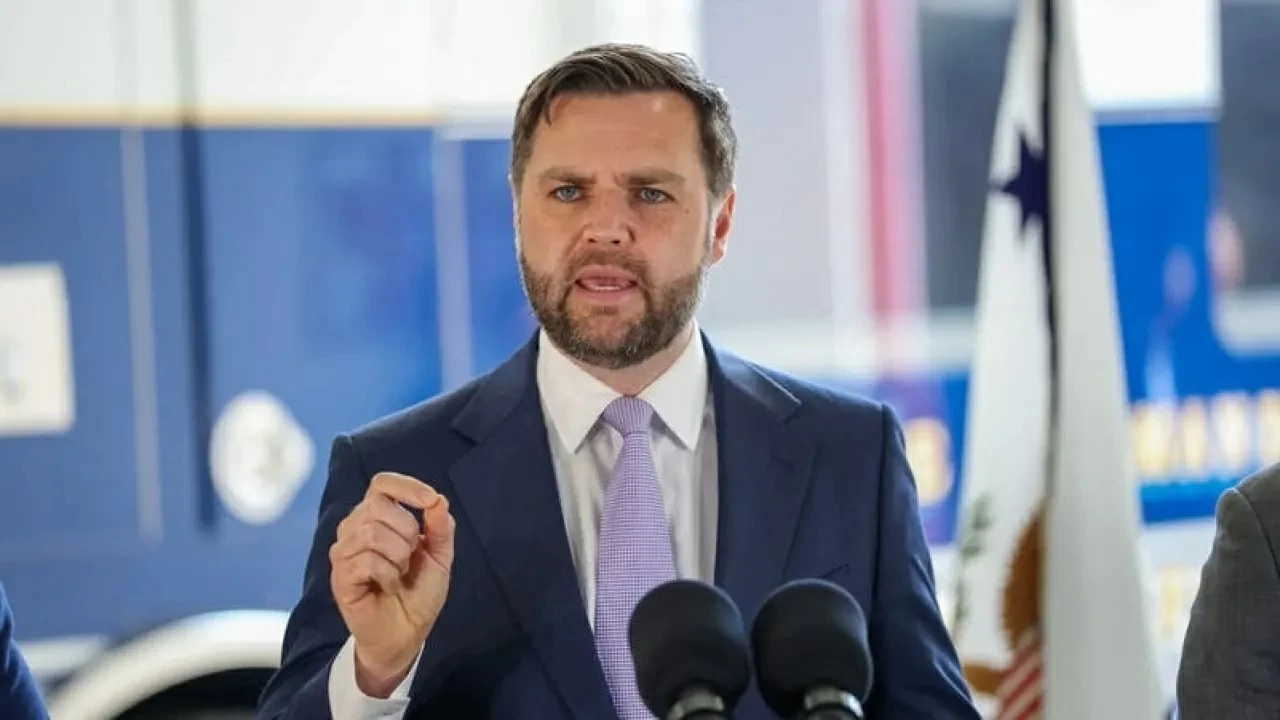
US Vice President J.D. Vance announced his leadership in negotiations with Iran aimed at ending the two-month-long war. Vance has made several calls to Israeli Prime Minister Benjamin Netanyahu and met with allies in the Middle East to discuss developments in military escalation. Vance is expected to be the chief negotiator in any potential peace talks, according to Axios.
US and Israeli sources revealed that Vance appeared skeptical of the optimistic Israeli assessments that preceded the war, as it is currently expected that the conflict will continue for several more weeks. Reports indicate that the Vice President's advisors believe some factions in Israel are trying to undermine him, possibly due to their belief that he is not hardline enough, a claim denied by Israeli officials.
Details of the Negotiations
Axios reported that officials in the White House believe Vance's position within the administration and his known opposition to open-ended wars abroad make him a more attractive interlocutor for the Iranians compared to his predecessors Steve Witkoff and Jared Kushner, who oversaw two previous rounds of failed talks. Witkoff recommended that Vance be the lead negotiator, stating, "If the Iranians cannot reach an agreement with Vance, they will not get an agreement. He is their best option."
A White House official noted that Witkoff and Kushner are still working on their tracks, while the Vice President is prepared to play his role if negotiations mature, but that stage has not yet been reached. The official emphasized that the Iranians need to decide whether they want to sit at the table and how.
Background & Context
Amid rising tensions in the region, US officials believe foreign entities are promoting the idea that Tehran wishes to negotiate with Trump’s Vice President. One of his advisors described a CNN report in this context as a "coordinated foreign propaganda operation." Vance has met with senior Arab officials, focusing on the war, talks with Iran, and military assistance.
According to American sources, Vance was extensively engaged in diplomacy with Iran before the war and in recent days. The White House suggested during indirect messaging exchanges with the Iranians that Vance lead a US delegation in high-level peace talks.
Impact & Consequences
When it comes to the consequences, the continuation of the war with Iran could significantly affect regional stability. The conflict, now in its second month, could exacerbate humanitarian conditions in the region, along with negative economic repercussions for neighboring countries. Many observers believe that the failure of negotiations could lead to greater military escalation, further complicating the situation in the Middle East.
There are also concerns that the ongoing conflict could increase tensions between the United States and Iran, which could negatively impact relations between Western and Arab nations. In this context, the question remains regarding Vance's ability to make progress in negotiations with Iran, especially given the significant challenges he faces.
Regional Significance
The current situation in Iran and its impact on the Arab region is critically important. The continuation of the war could lead to a flow of refugees into neighboring Arab countries, increasing pressure on these nations. Additionally, any military escalation could affect oil prices, which would have repercussions on the Arab economy as a whole.
In conclusion, hope remains for the possibility of achieving peace through negotiations, but the challenges are significant, and all parties involved must work diligently to avoid further escalation.