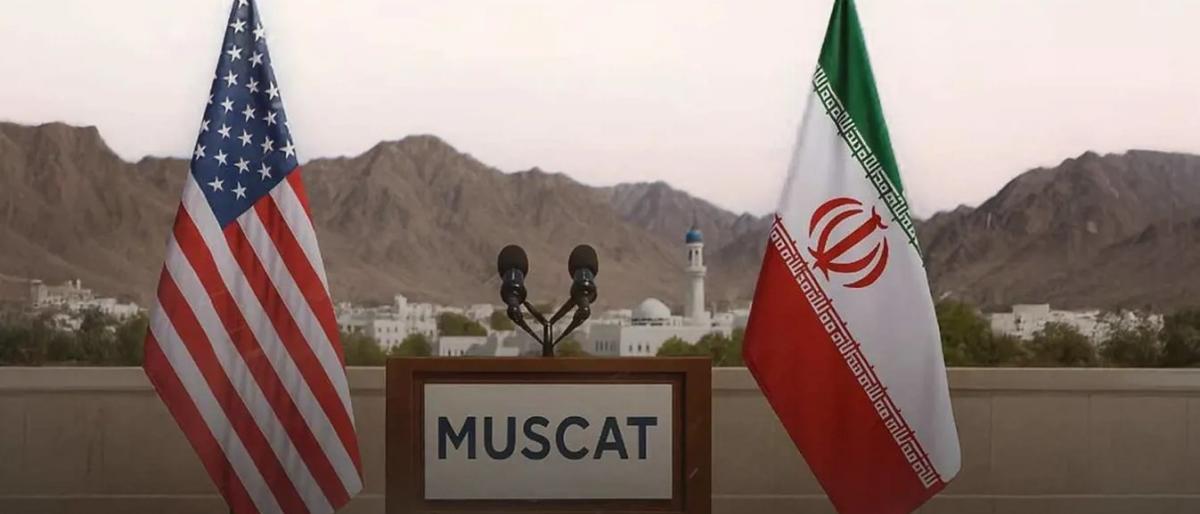
The U.S. administration has confirmed that negotiations with Iran are still underway, even though Tehran has publicly announced its rejection of American efforts and has set new conditions to end the ongoing dispute. This comes at a time when the region is suffering from the repercussions of the conflict, which has significantly impacted stability in the Middle East and global energy markets.
In these circumstances, the importance of dialogue between the two parties becomes evident, as Washington seeks to make progress in negotiations aimed at reducing tensions in the region. However, the Iranian stance appears to be rigid, as Tehran refuses any preconditions and demands clear guarantees before entering into any agreement.
Details of the Event
The United States is seeking to revive negotiations regarding the Iranian nuclear program, which has been a focal point of international controversy for years. Although the White House has emphasized the continuation of talks, Iranian statements indicate a significant gap between the two sides. Iranian officials have pointed out that any agreement must include the lifting of sanctions imposed on Iran, in addition to guarantees against the repetition of past experiences.
Pressure is increasing on the U.S. administration from its allies in the region, who fear that any agreement with Iran could enhance its influence in the Middle East. At the same time, Tehran faces internal challenges, suffering from a crippling economic crisis due to sanctions, which complicates the situation further.
Context and Background
Historically, relations between the United States and Iran have been tense since the Iranian Revolution in 1979, which led to the severing of diplomatic ties between the two countries. Since then, the region has witnessed numerous conflicts in which Iran has been involved, further complicating the political landscape in the Middle East. In 2015, a nuclear agreement was reached between Iran and major powers, but the U.S. withdrawal from the agreement in 2018 brought things back to square one and significantly escalated tensions.
Iran is currently seeking to bolster its regional position, exploiting chaos in some Arab countries to enhance its influence. At the same time, the United States is trying to maintain a balance of power in the region, making it difficult to reach a comprehensive agreement.
Implications and Effects
The negotiations between the United States and Iran directly affect regional stability, as any escalation in tensions could lead to conflict erupting in multiple areas. Global markets are closely monitoring these negotiations, as any agreement could impact oil and gas prices, reflecting on the global economy.
Moreover, the failure of negotiations could lead to a potential military escalation, as the United States may resort to military options to pressure Iran, increasing the intensity of conflict in the region. This could also provoke reactions from Iran's allies, further complicating the security situation.
Impact on the Arab Region
Neighboring Arab countries, such as Saudi Arabia and the UAE, are among the most affected by the tensions between Washington and Tehran. These countries fear that any agreement could strengthen Iran's power and influence in the region, threatening their security and economic interests. Additionally, any military escalation could lead to a flow of refugees and increased sectarian tensions in the area.
In conclusion, the negotiations between the United States and Iran remain a vital topic requiring close monitoring, as their outcomes will significantly impact the future and security of the Middle East. Dialogue is the only way to avoid escalation, but this requires concessions from both sides, which seems difficult to achieve at the moment.