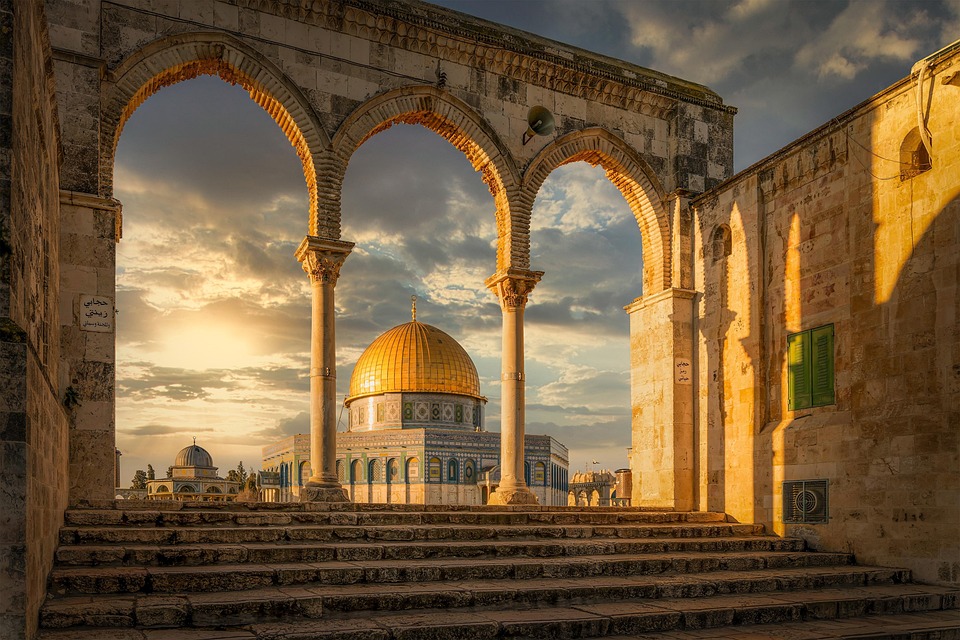
The closure of Al-Aqsa Mosque and the Church of the Holy Sepulchre has now reached its fortieth consecutive day, with worshippers barred from entering these sacred sites. This action comes amid rising tensions in Jerusalem, increasing anxiety among both Muslims and Christians.
This period of closure marks the longest in the history of Al-Aqsa Mosque, depriving worshippers of performing their religious rituals in their holiest places. This situation has sparked widespread reactions from the international community, which has called for the necessity of respecting worship rights.
Details of the Event
Since the onset of the closure, Jerusalem has experienced a state of calm mixed with tension, as Israeli security forces have been heavily deployed around Al-Aqsa Mosque and the Church of the Holy Sepulchre. In recent days, there have been attempts by some worshippers to reach the mosque, but these efforts have been met with resistance from security forces.
These events coincide with escalating political tensions in the region, as Al-Aqsa Mosque is considered a sensitive location reflecting the Israeli-Palestinian conflict. Many human rights organizations have expressed concern over the implications of this closure on the freedom of worship.
Background & Context
Historically, Al-Aqsa Mosque and the Church of the Holy Sepulchre are among the most prominent religious landmarks in Jerusalem, having witnessed numerous historical events that shaped the city's identity. The current closure is part of stringent security measures imposed by Israeli authorities in light of rising violence in the area.
In recent years, Jerusalem has faced numerous crises affecting the lives of its residents, where religious and political issues intertwine in complex ways. The current closure is seen as part of these dynamics that impact people's daily lives.
Impact & Consequences
This closure has serious repercussions for the Palestinian community, as many individuals are deprived of practicing their religious rituals. Furthermore, these measures may exacerbate the security situation in the city, increasing the likelihood of new confrontations.
On an international level, these events could affect relations between Israel and Arab countries, as freedom of worship is considered a sensitive issue that provokes strong reactions. International organizations may call for the necessity of respecting the rights of worshippers and reopening sacred sites to all.
Regional Significance
The events in Jerusalem hold significant importance for the Arab world, as they are viewed as part of the broader Israeli-Palestinian conflict. The ongoing closure of Al-Aqsa Mosque and the Church of the Holy Sepulchre highlights the challenges faced by religious communities in the region.
Moreover, these events could impact relations between Arab countries and Israel, as Al-Aqsa Mosque is seen as a symbol of Palestinian and Arab identity. Any escalation in the situation could lead to strong reactions from Arab nations and the international community.