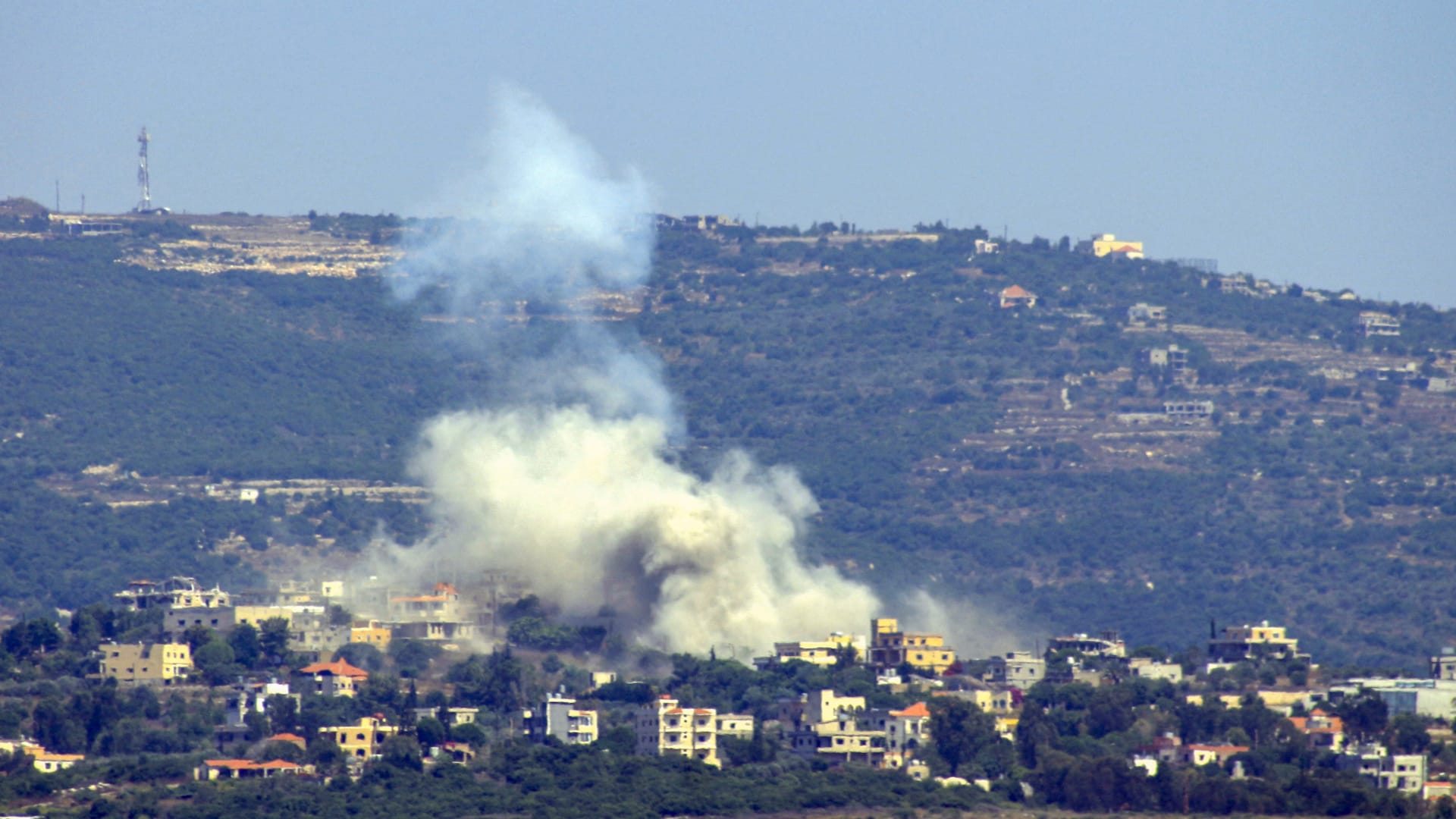
On the 26th day of the US-Israeli war against Iran, opportunities for negotiations emerge amidst Iranian fears of former President Donald Trump's tactics, who continues to bolster his forces in the region. Meanwhile, military confrontations intensify between the involved parties.
Iran is seeking to open channels for negotiation, but these efforts face significant challenges due to the escalation of fighting. American and Israeli forces continue to carry out military operations targeting sensitive sites within Iranian territory, complicating the security situation in the region.
Details of the Conflict
Reports indicate that the United States, supported by Israel, has mobilized a large number of troops in the region, raising concerns in Tehran about the potential escalation of the conflict. At the same time, Iran is trying to seize any opportunity for negotiation, despite doubts regarding Trump's intentions, who is viewed as an unreliable leader in this context.
Military confrontations continue, with Iranian military facilities facing repeated bombardments, resulting in human and material losses. In response, Iran retaliates to these attacks with limited military operations, further increasing tensions in the region.
Background & Context
The roots of the current conflict trace back to years of political and military tensions between Iran, the United States, and its allies. Since Trump's withdrawal from the Iranian nuclear deal in 2018, tensions have escalated, leading to a series of crises that have resulted in the current situation. The ongoing war is not merely a military conflict; it is also a struggle for influence in the Middle East, where both the United States and Iran seek to strengthen their positions.
In recent years, the region has witnessed an increase in military activities, including attacks on Iranian oil facilities and Israeli military operations against Iranian targets in Syria. These events have contributed to heightened tensions among the involved parties, making it difficult to achieve any form of peace or stability.
Impact & Consequences
The potential consequences of this conflict could be severe, not only for Iran and the United States but for the entire region. The escalation of the conflict may lead to the outbreak of new conflicts in neighboring countries, increasing civilian suffering and complicating humanitarian relief efforts. Additionally, the continuation of the war could negatively impact the global economy, especially amid rising oil prices due to disruptions in the region.
Moreover, this war could strengthen armed groups in the region, increasing instability. Neighboring countries to Iran, such as Iraq and Syria, may find themselves at the heart of this conflict, threatening their security and stability.
Regional Significance
Given the current situation, the impact of the US-Israeli war on Iran extends to neighboring Arab countries. Many Arab nations are concerned about the rising tensions, as any escalation could have negative repercussions on regional security. Arab countries that have ties with Iran may find themselves in a difficult position, requiring them to take cautious stances.
At the same time, some armed groups in the region may take advantage of this chaos, further complicating the security situation. Arab countries need to enhance their security cooperation to address the challenges arising from this conflict and work towards peaceful solutions to avoid further escalation.
In conclusion, the US-Israeli war on Iran remains on its 26th day, with ongoing military confrontations and emerging opportunities for negotiations. The situation requires careful monitoring, as any development could significantly impact security and stability in the region.