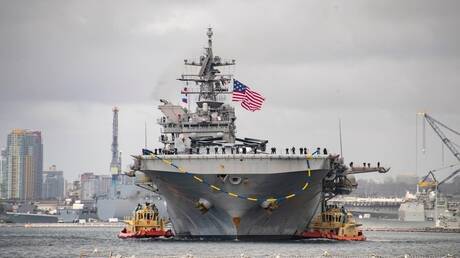
The US Central Command (CENTCOM) has confirmed that naval forces are continuing to enforce the blockade on Iran in the Arabian Sea, with over 20 warships deployed to carry out this mission. This blockade is part of the ongoing escalation between the United States and Iran, which also includes diplomatic and military measures aimed at reducing Iranian influence in the region.
This step is considered part of a broader strategy aimed at countering Iranian activities that the United States views as a threat to regional security. The course of 61 commercial vessels has been redirected, reflecting the direct impact of this blockade on maritime trade in the area.
Details of the Event
The United States aims to enhance maritime security in the Arabian Sea through this blockade, as this area is vital for global trade. More than 20 US warships have been tasked with monitoring and inspecting suspicious vessels, thereby increasing pressure on Iran.
These measures come at a sensitive time, as tensions between Tehran and Washington have escalated recently, especially following the US withdrawal from the Iranian nuclear agreement in 2018. This step has led to heightened military and economic tensions between the two parties.
Background & Context
Historically, US-Iranian relations have witnessed increasing tensions since the Islamic Revolution in 1979. These tensions have intensified over time, particularly amid regional conflicts and Iran's growing influence in Iraq, Syria, and Lebanon.
In recent years, the United States has taken multiple steps to confront Iran, including imposing stringent economic sanctions and conducting military operations in the region. The current naval blockade is part of this strategy aimed at diminishing Iran's capacity to carry out military activities.
Impact & Consequences
These actions could lead to increased tensions in the region, as Iran may respond through military or diplomatic means. There are concerns that these steps could escalate the conflict, potentially affecting the stability of the entire region.
Moreover, the impact of the blockade on maritime trade could have wide-ranging economic repercussions, as the Arabian Sea is a critical point for global trade. Any disruption in shipping movements could lead to increased shipping costs and delays in the delivery of goods.
Regional Significance
Neighboring Arab countries are directly affected by these tensions, as the Arabian Gulf region is one of the most sensitive areas in the world. Any military escalation could impact security and stability in these countries, leading to economic and social repercussions.
Additionally, the continuation of the blockade may strengthen the position of countries seeking to reduce reliance on Iranian oil, potentially leading to changes in regional market dynamics.
In conclusion, the situation in the Arabian Sea remains under close observation, as concerns grow over the escalation of conflict between the United States and Iran. Intensive diplomatic efforts are required to avoid any escalation that could impact regional and global security.