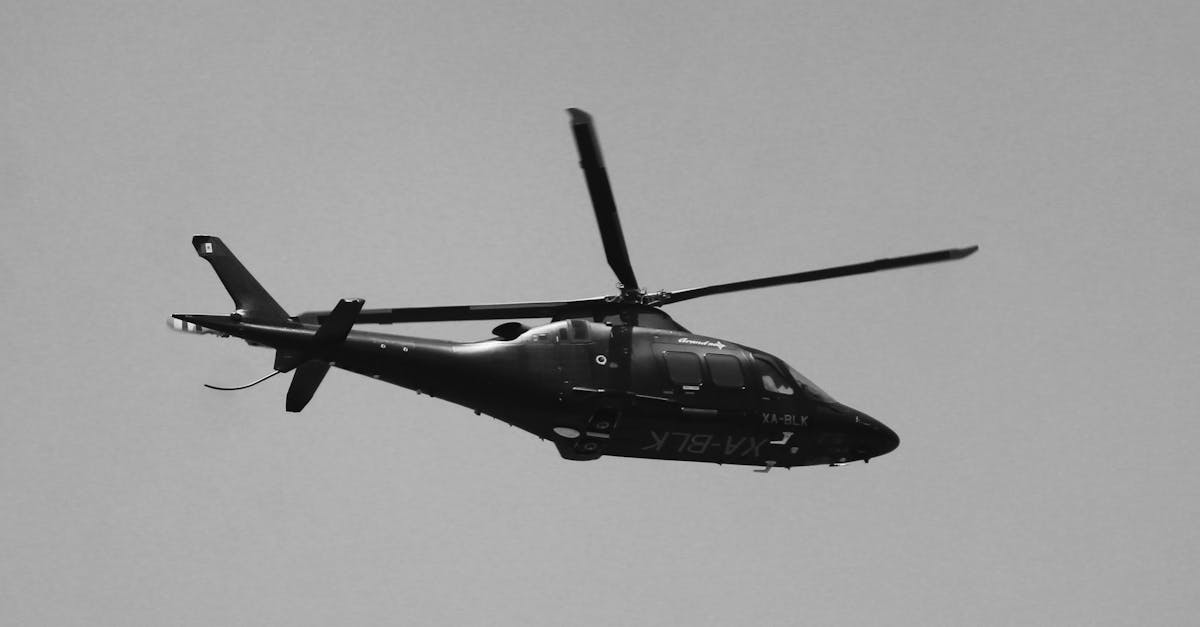
U.S. Defense Secretary Lloyd Austin revealed that the operation to rescue the American pilot held in Iran lasted 46 hours of continuous coordination among different entities. The successful operation reflects the United States' commitment to protecting its citizens abroad, even in challenging circumstances.
Austin noted that the operation was not easy, as the teams faced multiple challenges related to the security and political situation in the region. Coordination between the Department of Defense and intelligence agencies was essential to ensure the operation's success.
Details of the Operation
According to Austin's statements, the operation began after receiving information about the pilot's detention in Iran. A special task force was formed, comprising experts from various fields, including security, intelligence, and diplomacy, to develop an effective rescue plan. Modern techniques were employed to ensure the pilot's safety during the operation.
The Secretary also mentioned that the U.S. government maintained constant communication with the pilot's family, keeping them informed of the operation's developments. This communication was a crucial part of the efforts to provide them with psychological support during this difficult time.
Background & Context
This operation comes at a sensitive time for U.S.-Iranian relations, which are experiencing increasing tensions. These tensions have impacted various issues, including regional security and human rights. Historically, U.S.-Iran relations have witnessed numerous crises, making this operation even more complex.
In recent years, tensions between the two countries have escalated, particularly following the U.S. withdrawal from the Iranian nuclear deal. This situation has complicated the United States' ability to take swift and effective action in such cases.
Impact & Consequences
The success of the rescue operation may reflect the United States' capability to handle crises effectively, thereby enhancing its position in the region. It could also lead to improved relations with allies who are closely monitoring how Washington addresses security issues.
However, this success may also provoke negative reactions from Iran, which may perceive the operation as interference in its internal affairs. Such a perception could complicate relations between the two countries and impact future negotiations.
Regional Significance
This operation holds particular importance for the Arab region, as it reflects the tensions between the United States and Iran and their impact on regional security. Arab countries are closely watching how these relations evolve, as any escalation could affect the region's stability.
Moreover, the United States' success in rescuing its citizens may bolster Arab countries' confidence in Washington's ability to protect its interests in the region, potentially influencing future political and security alliances.
In conclusion, the operation to rescue the American pilot held in Iran exemplifies the challenges the United States faces in its foreign policy and underscores the importance of coordination among various entities to ensure the safety of its citizens in times of crisis.