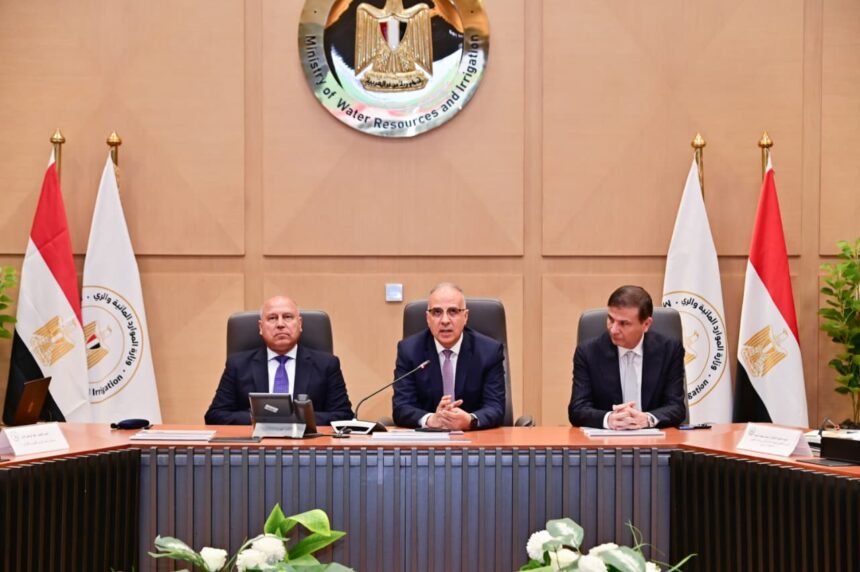
The Egyptian Ministries of Transport and Irrigation have announced the initiation of a joint coordination aimed at accelerating the expropriation procedures necessary for the implementation of major projects. This coordination comes at a critical time as the Egyptian government seeks to enhance infrastructure and achieve sustainable development.
The joint plans between the two ministries include improving the legal and administrative procedures related to expropriation, which will help reduce the time taken in these processes. This collaboration is considered a significant step towards speeding up the implementation of vital projects needed by the country, such as roads, bridges, and water projects.
Details of the Coordination Initiative
In a recent meeting, several projects requiring expropriation were reviewed, emphasizing the importance of coordination between the two ministries to ensure that these projects are not delayed. New mechanisms have been identified to facilitate procedures, including the use of modern technology to expedite the assessment and compensation process.
Moreover, the importance of continuous communication between the relevant parties was discussed, leading to the agreement to establish a joint committee comprising representatives from both ministries to monitor the implementation of these procedures and improve coordination between them.
Background & Context
Expropriation procedures are sensitive issues in any developmental project, as they affect the rights of individuals and communities. In Egypt, recent years have seen numerous major projects requiring expropriation, leading to an urgent need to improve and facilitate these procedures.
Historically, there have been significant challenges facing the government in this area, as expropriation processes have taken a long time, negatively impacting project timelines. However, the current coordination between the Ministries of Transport and Irrigation represents a positive step towards improving the situation.
Impact & Consequences
This coordination is expected to accelerate the implementation of vital projects, contributing to the improvement of infrastructure in Egypt. Additionally, it may positively reflect on the Egyptian economy by attracting investments and stimulating economic growth.
Furthermore, improving expropriation procedures may enhance citizens' trust in the government, as they feel their rights are protected and that there are clear mechanisms for compensation. This could contribute to improving relations between the government and citizens, thereby enhancing social stability.
Regional Significance
Egypt's experience in improving expropriation procedures serves as a model that other Arab countries facing similar challenges can benefit from. Many countries in the region suffer from slow legal and administrative procedures, affecting the implementation of developmental projects.
If Egypt successfully implements these procedures effectively, it could become a role model in the region, encouraging other countries to adopt similar strategies to improve the business environment and enhance economic development.
In conclusion, the coordination between the Ministries of Transport and Irrigation represents an important step towards improving the effectiveness of project implementation in Egypt. The success of this initiative relies on the continuous commitment of all stakeholders, contributing to achieving the sustainable development that the Egyptian government aspires to.