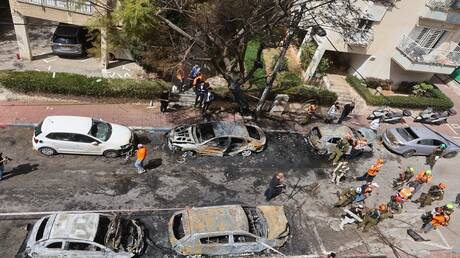
Tel Aviv and extensive areas in Israel were subjected to a coordinated attack involving missiles and drones launched from Iran, Lebanon, and Yemen, triggering air raid sirens in multiple regions.
The attack, which occurred early today, caused panic among residents, with explosions heard in several areas, indicating a serious escalation in regional tensions. Israeli military sources confirmed that air defenses intercepted some of the missiles, but the assault is considered one of the most comprehensive in a long time.
Details of the Attack
According to reports, the missiles were launched from various locations in Iran, while the drones originated from Lebanon and Yemen. Local media in Israel reported seeing smoke rising in the skies over Tel Aviv, indicating damage to some facilities. The attack came at a sensitive time as Israel was preparing for major military exercises in the region.
The Israeli army declared a state of maximum alert and reinforced air defenses in the most vulnerable areas. Some roads and public facilities were closed as a precautionary measure. Videos circulated on social media captured moments of the attack, showing residents heading to shelters.
Background & Context
These attacks come amid escalating tensions between Israel and its allies on one side, and Iran and its allies on the other. The region has witnessed an increase in reciprocal attacks in recent years, with Iran using its proxies in Lebanon and Yemen to apply pressure on Israel. This escalation also reflects tensions arising from the Iranian nuclear program, which many countries view as a threat to regional security.
Moreover, the attacks occur at a sensitive time for Israel, which faces internal and external challenges, including popular protests against the government and security policies. This attack has raised questions about Israel's ability to respond to such coordinated assaults.
Impact & Consequences
The recent attack could lead to a larger escalation in the conflict, as Israel may retaliate with strikes against the sites from which the missiles and drones were launched. This escalation could plunge the region into a cycle of violence, affecting stability in neighboring countries.
On the other hand, this attack may impact international relations, as some countries might call for action against Iran and its allies. International reactions may vary, with some nations supporting Israel while others may urge restraint.
Regional Significance
The attacks on Israel could directly affect security in neighboring Arab countries, which may experience political and security repercussions as a result of the escalation. These events could also increase divisions among various factions in the region, complicating peace efforts.
Ultimately, the situation in the region remains fragile, with rising risks of escalating violence. Intensive diplomatic efforts are required to prevent worsening conditions and ensure regional stability.