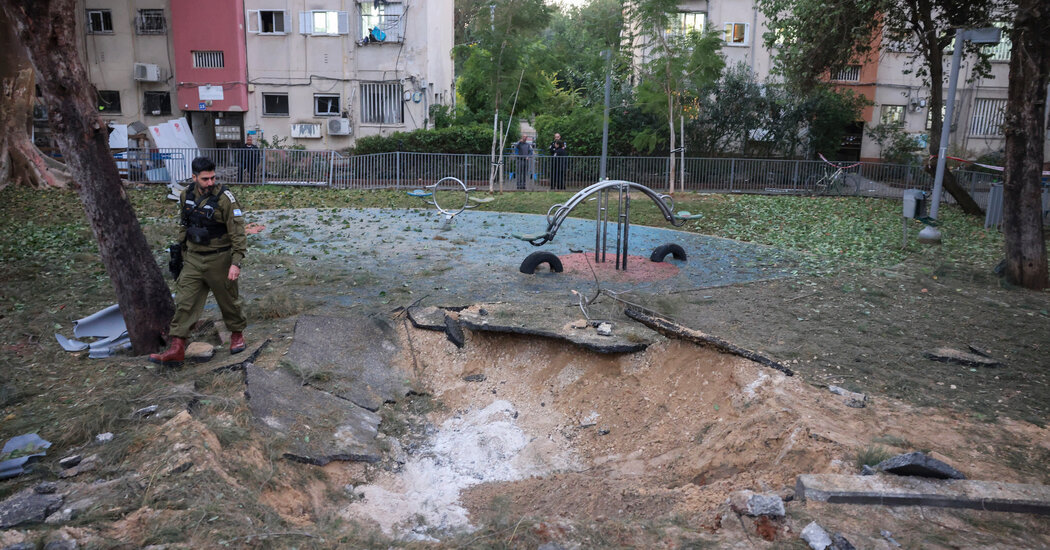
Tel Aviv and several areas in Israel experienced a coordinated attack using missiles and drones, believed to be orchestrated by Iran, Lebanon, and Yemen. This attack comes at a sensitive time, reflecting escalating tensions in the region.
The attacks are part of rising tensions between Israel and neighboring countries, with reports of missiles launched from Lebanese and Yemeni territories, causing panic among residents. Israeli authorities declared a state of emergency in some areas and began implementing strict security measures.
Details of the Attack
According to military sources, more than twenty missiles and drones were launched in the attack, targeting military and civilian sites in Tel Aviv. The attacks occurred simultaneously, indicating a high level of coordination among the executing parties. Images circulated on social media showed the destruction caused by the attack, with numerous buildings damaged.
In response, Israeli forces confirmed they intercepted some of the attacks using air defense systems, but acknowledged that damage occurred in certain areas. The Israeli government also issued warnings for residents to remain in shelters until further notice.
Background & Context
These attacks come amid escalating regional tensions, as relations between Israel and Iran have soured in recent years. Iran, which supports armed groups in Lebanon and Yemen, views Israel as a major enemy and is working to enhance its military capabilities in the region.
The situation in Yemen, where the Iran-backed Houthi group continues to fight the Yemeni government, further complicates the security landscape in the region. The recent attacks also reflect the increasing threats Israel faces from multiple fronts, complicating regional security.
Impact & Consequences
The recent attacks could lead to greater military escalation in the region, as Israel is likely to respond forcefully to the involved parties. This escalation could draw the region into a wider conflict, affecting stability in neighboring countries and increasing civilian suffering.
These events may also impact international relations, as major powers like the United States and Russia are expected to intervene to mediate the crisis. Military escalation could lead to a reassessment of security strategies in the region, influencing the foreign policies of the involved countries.
Regional Significance
The attacks on Israel may provoke varied reactions in Arab countries, with some nations potentially supporting resistance against Israel while others may call for de-escalation. This division could heighten internal tensions in some Arab states and affect peace efforts in the region.
Ultimately, the recent events serve as a reminder of the fragility of the security situation in the Middle East, where regional and international interests intertwine, making it difficult to achieve lasting stability.