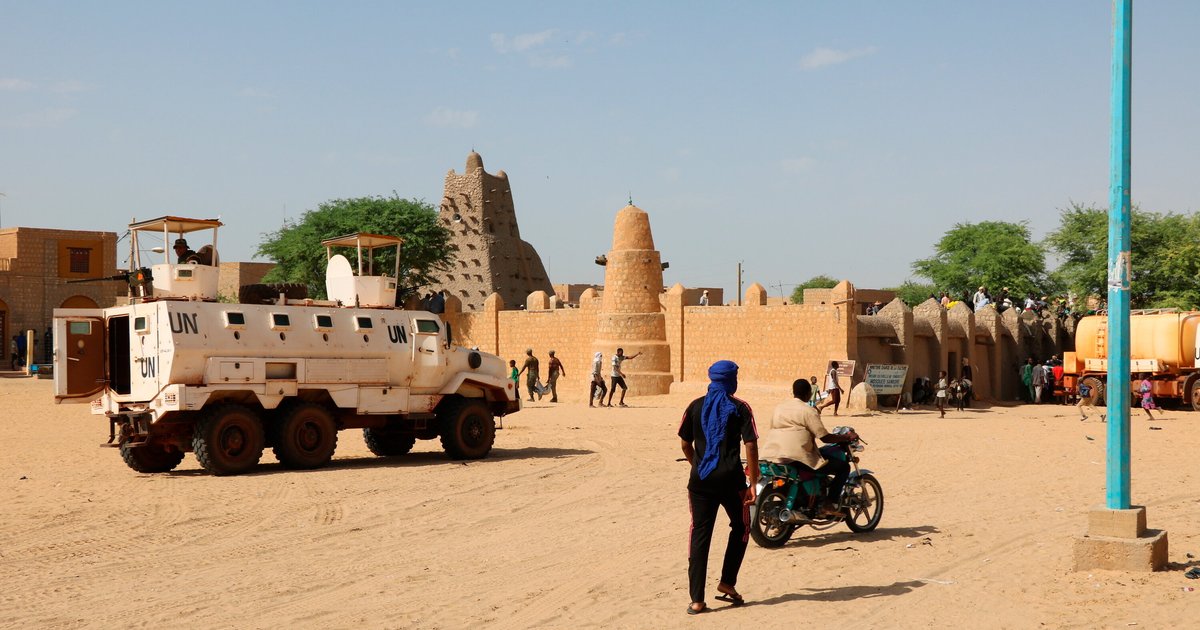
Last Saturday, Mali faced one of the largest coordinated attacks in recent years, as armed groups targeted the capital Bamako and four other cities. A jihadist group known as Jama'at Nasr al-Islam wal Muslimin (JNIM) claimed responsibility for these attacks through its website.
The attacks targeted Bamako International Airport, as well as other cities in central and northern Mali, causing panic and concern across the nation. According to reports, these attacks were carried out in collaboration with the Azawad Liberation Front, a separatist group led by Tuaregs, indicating a high level of coordination between the two groups.
Details of the Attacks
The attacks that occurred on Saturday are considered among the most severe in modern Malian history, targeting several vital sites across the country. Reports indicate that the attacks resulted in injuries and significant damage to both public and private property, prompting the deployment of additional security forces in the capital to address any future threats.
These attacks come at a sensitive time for Mali, which has been grappling with ongoing internal conflicts for years, leading to a deterioration of both security and economic conditions. Malian authorities have warned of escalating violence in the country, especially with the increasing activity of armed groups in the northern regions.
Background & Context
Historically, Mali has witnessed multiple conflicts since 2012, when armed groups seized control of the northern part of the country, leading to international military intervention. Since then, attacks by armed groups have continued, rendering the security situation in the country precarious. These conflicts have contributed to widespread poverty and unemployment, complicating humanitarian conditions.
The Jama'at Nasr al-Islam wal Muslimin is one of the most prominent armed groups in the region, seeking to impose its radical Islamic vision, while the Azawad Liberation Front aims for Tuareg independence in northern Mali, further complicating the conflict.
Impact & Consequences
These attacks are indicative of the rising violence in Mali and may exacerbate the security situation in the region. The collaboration between armed groups and separatists could pave the way for more attacks in the future, threatening stability in the country. Furthermore, the escalation of violence in Mali could impact neighboring countries, as tensions may spill over into other areas of West Africa.
The international community is urged to take immediate action to address the deteriorating security situation and to support Mali in its fight against terrorism and violence.
Regional Significance
The implications of these attacks extend beyond Mali's borders, highlighting the potential for regional instability. As violence escalates, the risk of refugee flows and increased tensions in neighboring nations grows. The international community must remain vigilant and responsive to the developments in Mali to prevent a broader crisis in West Africa.
In conclusion, the coordinated attacks in Mali underscore the urgent need for a comprehensive approach to address the underlying issues fueling the conflict and to restore peace and stability in the region.