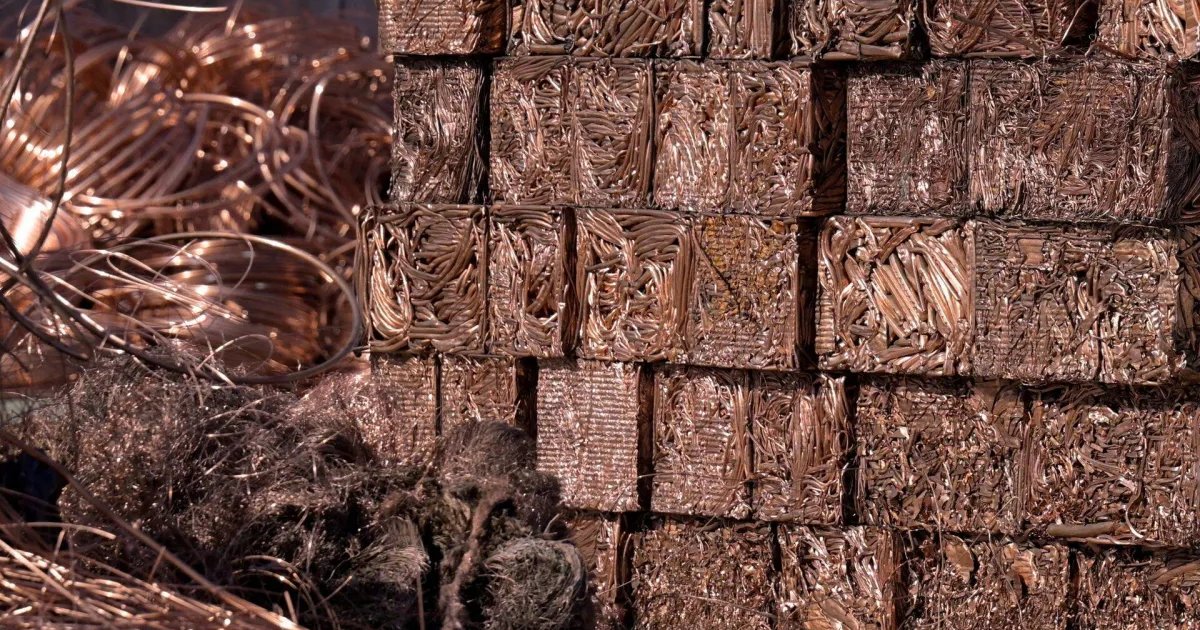
Copper prices in Shanghai saw a notable increase on Friday, heading towards a second consecutive month of gains as market optimism grows regarding a potential peace agreement between the United States and Iran. This optimism has contributed to a decline in oil and dollar prices, easing concerns related to inflation and global growth slowdown.
The most traded copper contract on the Shanghai Futures Exchange rose by 0.9% to reach 104,940 yuan (15478.45 USD) by 05:20 GMT, marking a monthly gain of 2.9% so far. In contrast, the three-month copper price on the London Metal Exchange fell by 0.2% to 13,670.50 USD per metric ton, yet both contracts are on track to achieve a rise for the second consecutive month.
Event Details
Reuters sources reported that the United States and Iran reached an agreement on Thursday to extend the ceasefire and lift restrictions on navigation through the Strait of Hormuz. However, U.S. President Donald Trump has not yet given his final approval, while Iranian state media indicated that the agreement has not been finalized yet.
Tim Waterer, senior market analyst at KCM Trade, stated that base metals are currently benefiting from a more supportive macroeconomic environment. He added, "Reaching a successful agreement could pave the way for further gains, while any collapse in talks could reignite inflationary pressures and limit the upward momentum."
Background & Context
The U.S. dollar has declined by 0.2% since the beginning of the week, making dollar-denominated commodities more attractive to investors holding other currencies. Additionally, crude oil prices have dropped by more than 10% as of Friday, amid hopes for a sustainable agreement between the United States and Iran that could reduce the risks of stagflation on the global economy, bolstering positive expectations for copper.
In China, informed sources reported that the central bank has directed banks to increase lending this month, which has supported copper market sentiment, as Beijing continues efforts to stimulate an economy facing pressures from rising energy costs and weak domestic demand.
Impact & Consequences
Jordan Chua, chief strategist at Phillip Nova, noted that the overall trend for base metals remains positive, but he expects upcoming trading sessions to experience sharp fluctuations and significant volatility due to market sensitivity to news and geopolitical developments. On the London Metal Exchange, aluminum fell by 0.2%, while zinc rose by 0.5%, lead remained stable, nickel dropped by 0.5%, and tin decreased by 0.1%.
Aluminum recorded gains for the third consecutive month, supported by supply disruptions due to the conflict, while nickel was the only base metal to register a decline in May. On the Shanghai Futures Exchange, aluminum rose by 0.2% and zinc by 1.1%, while lead fell by 0.5%, nickel increased by 0.1%, and tin surged by 1.3%.
Regional Significance
Arab markets are directly affected by developments in metal and oil prices, as these commodities are fundamental factors influencing Arab economies. If the trend towards an agreement between the United States and Iran continues, it could lead to stabilization in oil and metal prices, enhancing opportunities for economic growth in the region.
In conclusion, investors remain on alert for further developments in the negotiations between the United States and Iran, as these negotiations could significantly impact both global and local markets.