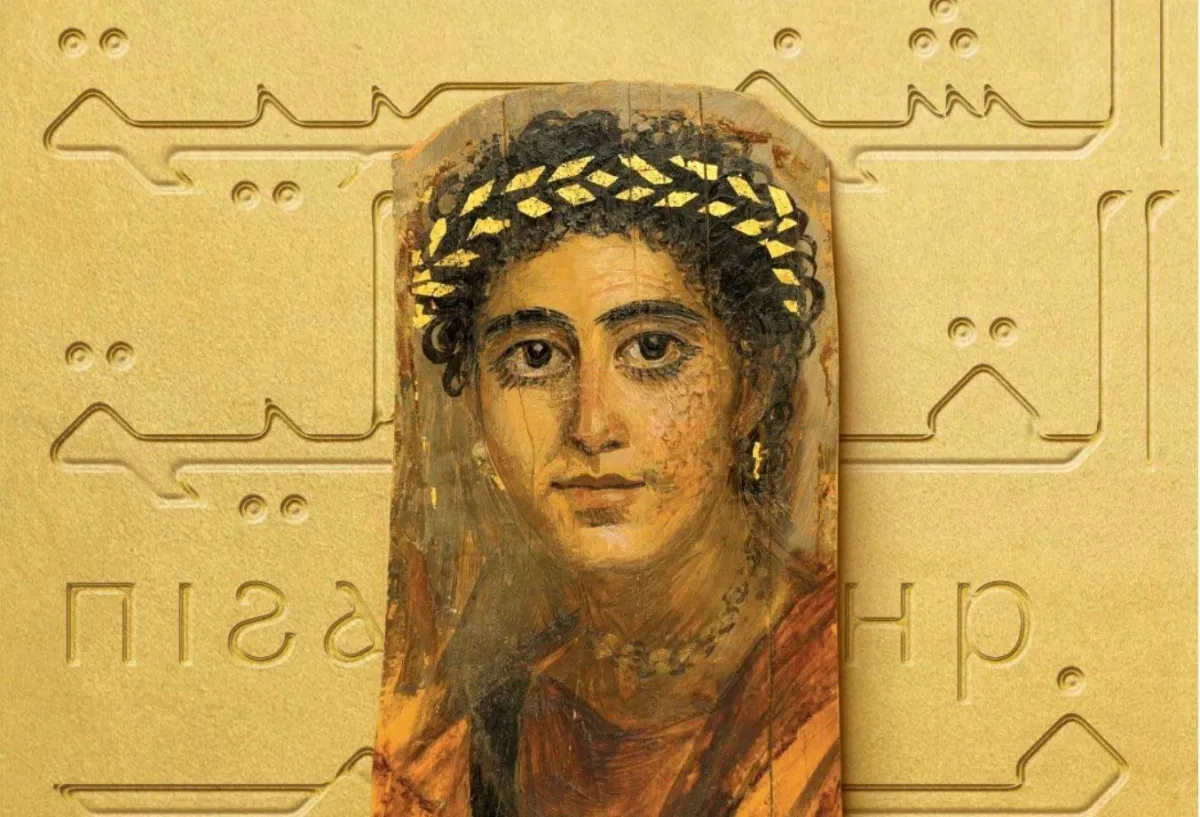
Professor of Political Science, Dr. Nevin Massad, in her new book 'The Coptic Identity in Egyptian Literature,' published by Dar Al-Ain, explores how literary works reflect the development of the Coptic character within Egyptian society. The book relies on life scenes that mirror the realities of the Egyptian intelligentsia and reviews how this character has been portrayed in literature.
Massad's study is based on a poignant historical scene, where the late activist George Ishaq is seen in Tahrir Square during the 'January 25 Revolution of 2011,' guarding worshippers from both Muslim and Christian communities, reflecting the spirit of unity during that period. This scene symbolizes the harmony between religions in Egypt and illustrates how literature can reflect such historical moments.
Details of the Event
The book discusses a collection of novels that highlight the Coptic character, raising questions about the features of this character and its relationship with the church and society. It also addresses how this image changed after the 'January Revolution,' where literature became bolder in addressing issues related to Copts.
Massad presents three main chapters in her book, with the first chapter focusing on the Coptic character before and after the revolution. The second chapter discusses literary works published before the revolution, while the third chapter includes articles that addressed the Coptic character after the revolution. This chronological distribution aids in understanding the transformations that the Coptic character underwent in Egyptian literature.
Background & Context
Historically, Copts have played a prominent role in the political and social life of Egypt. Egyptian literature has reflected this role through characters such as Naguib Mahfouz and Yahia Haqqi, where Copts were depicted in various contexts. However, after the revolution, literary works began to address the Coptic character more deeply, reflecting the social and political transformations that the country experienced.
Massad clarifies that the term 'Coptic' expresses Egyptian specificity, distinguishing between Christians in Egypt and others around the world. This distinction reflects the cultural identity of Copts and enhances the understanding of the issues they face.
Impact & Consequences
Literary studies show a direct impact of social and religious phenomena on literary works. Massad observed that the Coptic character was characterized by restraint before the revolution, while after the revolution, there was greater openness in addressing Coptic issues. This change reflects transformations in Egyptian society and enhances the dialogue surrounding identity and belonging.
Massad also discusses the impact of political events on the representation of Copts in literature, highlighting how Egyptian presidents have dealt with Copts differently, affecting their portrayal in literary works. This influence is clearly evident in the novels of major Egyptian writers.
Regional Significance
The study of the Coptic character in Egyptian literature is crucial for understanding the social and political dynamics in Egypt, which can serve as a model for other Arab countries. Copts represent a part of the Egyptian social fabric, and understanding their issues can contribute to fostering dialogue between different religions and cultures in the region.
In conclusion, 'The Coptic Identity in Egyptian Literature' offers a comprehensive view of how literature addresses Coptic issues, reflecting the social and political changes in Egypt. This study is not merely a literary analysis but a call for a deeper understanding of Egyptian identity in its diversity.