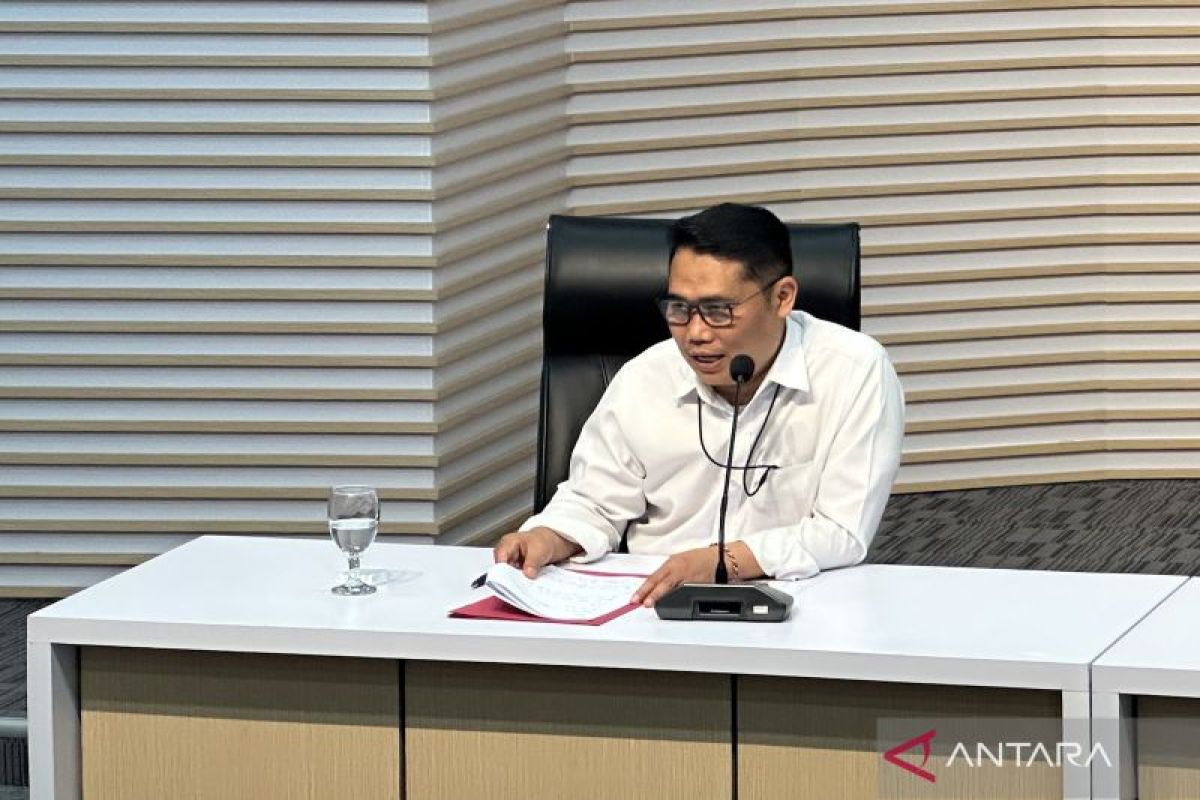
The Indonesian Corruption Eradication Commission (KPK) has announced corruption charges against several officials, as it is suspected that the family of Azrul Aziz Taba (ASR) provided $406,000 to Ishfah Abidal Aziz, known as Gus Alex, during his tenure as a special staff member for Minister of Religious Affairs Yaqut Sholih Qoumas.
In a statement to reporters, KPK Deputy Chairman Asib Guntur Rahiu confirmed that investigations are ongoing and that the mentioned amount was part of a corruption network related to Hajj quotas, raising widespread concerns about how this sensitive process is managed.
Details of the Case
The origins of this case date back to August 9, 2025, when the KPK began investigating allegations of corruption related to Hajj quotas for the years 2023-2024. On January 9, 2026, it was announced that Yaqut Sholih Qoumas and Gus Alex were among the accused in this case, complicating the situation further.
Although Fuad Hasan Mashur, the owner of the Hajj organizing agency MakTour, has not been charged, he was temporarily barred from leaving the country. On February 27, 2026, the commission announced that it had received a report from the Supreme Audit Agency regarding financial losses resulting from this case, estimated at around 622 billion Indonesian Rupiah.
Background & Context
This corruption case is part of a series of scandals that have shaken the Indonesian government in recent years, as concerns about corruption in various sectors, including Hajj management, continue to grow. With the increasing number of Indonesian pilgrims, there is a pressing need for a transparent and fair system to ensure the rights of pilgrims and prevent any exploitation.
Historically, Indonesia has been one of the largest sending countries for pilgrims to Mecca, making Hajj management critically important. However, corruption in this sector can negatively affect the country's reputation and increase the suffering of pilgrims.
Impact & Consequences
The repercussions of this case extend beyond Indonesia, raising widespread concern in the Islamic world. Hajj management is considered a sacred matter, and any corruption within it can lead to a loss of trust in religious and political institutions. Additionally, this case may impact Indonesia's international relations with other Islamic countries.
Furthermore, ongoing investigations may lead to changes in government policies regarding Hajj management, potentially contributing to enhanced transparency and accountability in the future.
Regional Significance
This corruption case holds particular significance for Arab countries, as Hajj management is a sensitive issue affecting millions of Muslims. With the increasing number of pilgrims from Indonesia, Arab nations must be aware of the risks associated with corruption in this sector.
Moreover, transparency in Hajj management can enhance the reputation of Arab countries as religious centers, thereby strengthening their position in the Islamic world.
In conclusion, this corruption case serves as a warning to all countries about the necessity of promoting transparency and accountability in managing religious affairs, especially those related to Hajj, to ensure the rights of pilgrims and maintain the reputation of religious institutions.