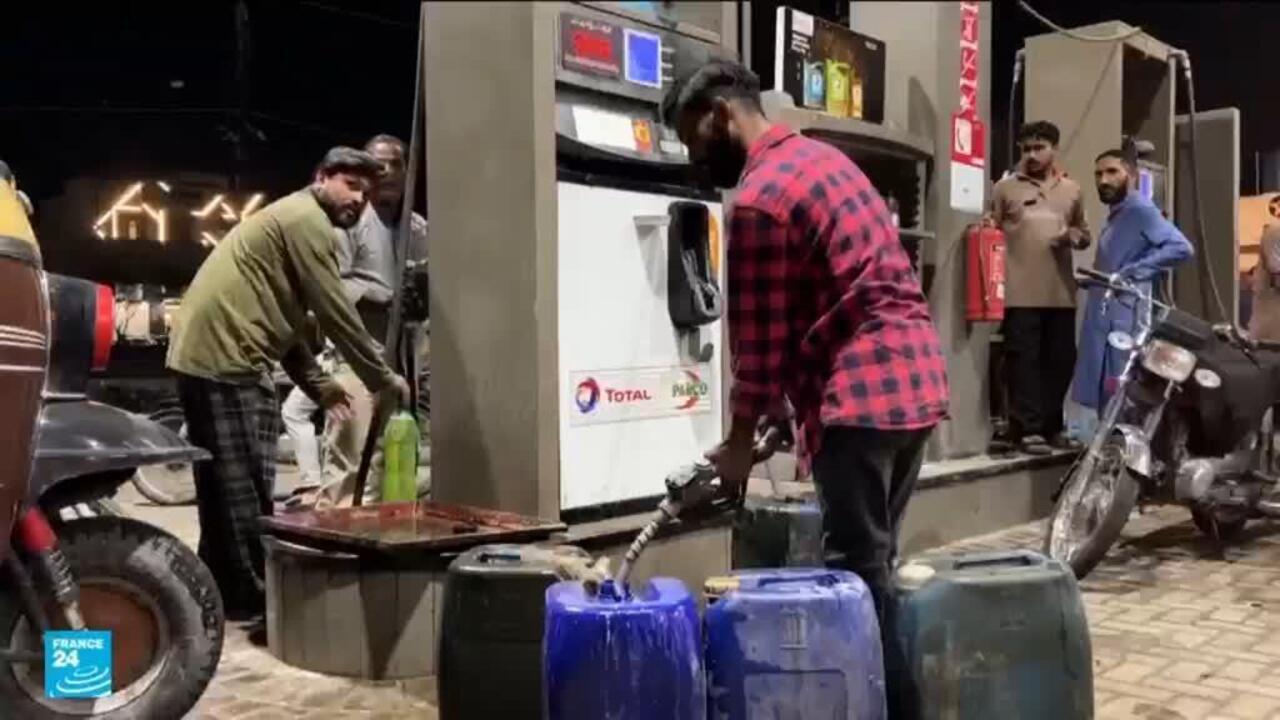
The repercussions of the global fuel price crisis are escalating, as many countries strive to implement exceptional measures to adapt to the current situation. In this context, the Pakistani government has decided to raise fuel prices by an average of 50%, a move aimed at preserving what remains of energy reserves amid difficult economic conditions.
This decision comes after the government imposed a remote work and online education system, reflecting its efforts to reduce fuel consumption during the ongoing crisis. Other countries, such as some European nations, have also adopted alternate driving systems and fuel rationing as part of their strategies to confront this crisis.
Details of the Event
Global economic pressures are mounting due to the sharp rise in oil prices, which is partly attributed to ongoing conflicts in the Middle East. These conflicts affect oil supplies and lead to significant price fluctuations, negatively impacting the economies of oil-importing countries.
In Pakistan, where the country is grappling with a severe economic crisis, the government has decided to take drastic steps to address these challenges. Raising fuel prices by 50% is among the most impactful measures, as it will directly affect the cost of living for citizens.
Background & Context
Historically, oil prices have been significantly influenced by geopolitical events in the Middle East, a region that is one of the largest oil producers in the world. Armed conflicts, such as those occurring in Syria and Yemen, lead to reduced production and increased prices, which in turn reflect on global markets.
In recent years, oil prices have experienced sharp fluctuations due to multiple factors, including the COVID-19 pandemic, which led to a decrease in demand, followed by a sudden resurgence in demand that caused prices to spike. These dynamics make it difficult for countries to predict future oil prices, complicating economic planning.
Impact & Consequences
The increase in fuel prices directly affects transportation and production costs, leading to higher prices for goods and services. In Pakistan, this increase is expected to exacerbate economic conditions, as citizens are already facing significant economic pressures.
Moreover, these measures may lead to increased public protests, as citizens feel they are bearing the burden of economic and political crises. In similar contexts, other countries have witnessed protests due to rising fuel prices, reflecting a state of public discontent.
Regional Significance
Arab countries are among the most affected by fluctuations in oil prices, as many of them heavily rely on oil revenues. Amid rising prices, some countries may move to reduce government subsidies for fuel, potentially increasing the burdens on citizens.
Additionally, the situations in oil-producing countries may affect the overall stability of the region, as economic crises can lead to heightened political and social tensions.
In conclusion, the fuel price crisis reflects significant challenges faced by countries worldwide, necessitating effective strategies to adapt to these changing circumstances.