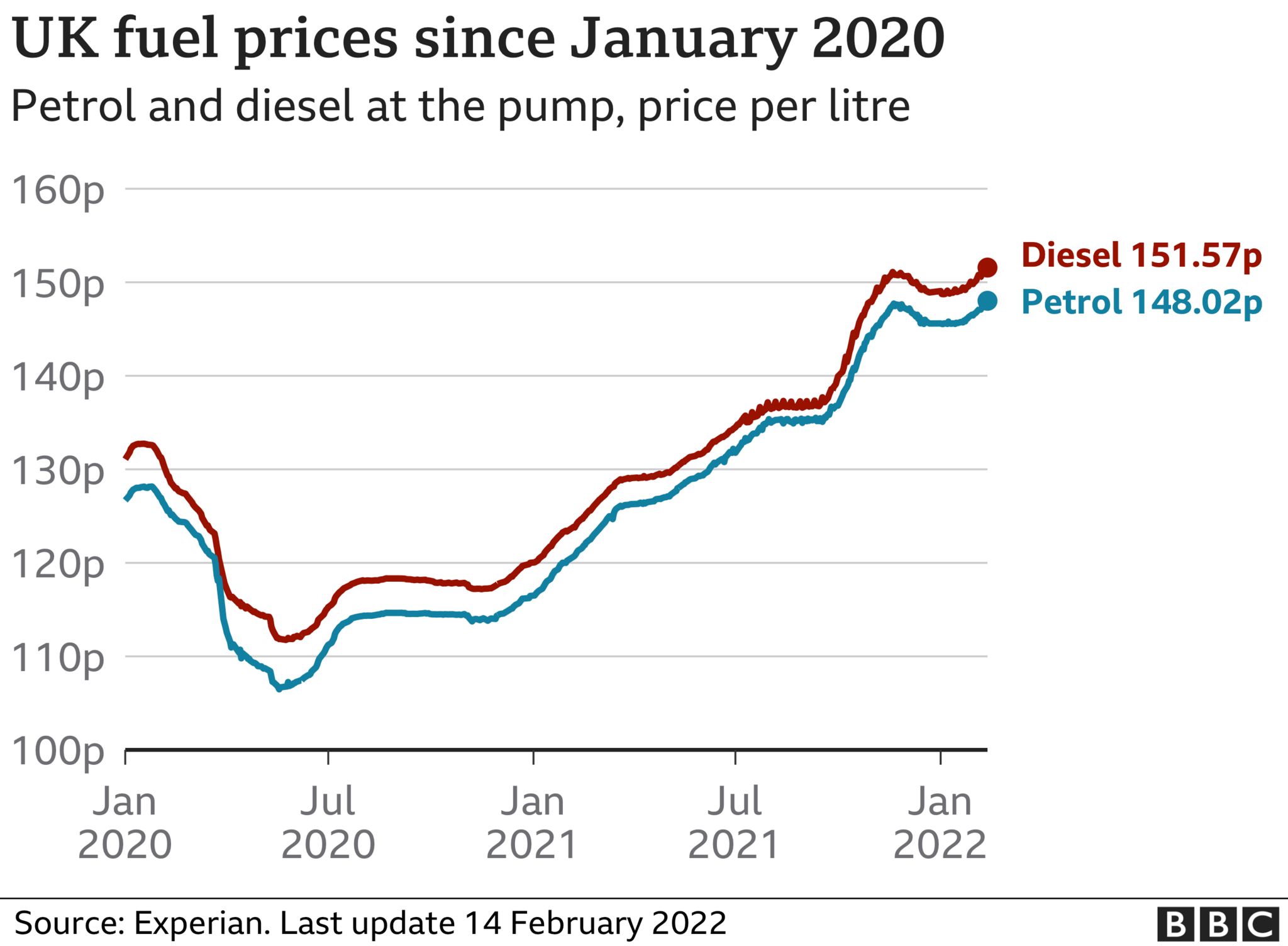
Many countries worldwide have announced increases in fuel prices, raising concerns among consumers amid the current economic conditions. The United Arab Emirates is expected to announce new fuel prices on March 31, intensifying tensions related to the cost of living.
These price hikes come at a time when the world faces significant challenges in the energy sector, with oil prices rising markedly in recent months. These increases have impacted various economic sectors, prompting governments to seek solutions to mitigate their effects on citizens.
Details of the Event
Reports indicate that several countries, including those in the Middle East, have raised fuel prices in recent weeks. This increase is attributed to several factors, including rising global demand for oil and escalating crude prices in international markets. Geopolitical crises, such as conflicts in some oil-producing countries, have also exacerbated the situation.
In the UAE, the government is expected to announce new prices at the end of the month, which has piqued the interest of both citizens and residents. The UAE is one of the largest oil producers in the world and plays a pivotal role in stabilizing energy prices in the region.
Background & Context
Global oil markets have experienced significant fluctuations since the beginning of the year, with prices rising sharply due to increased demand following the easing of COVID-19 restrictions. This surge has led to higher fuel costs in many countries, affecting household and business budgets.
Historically, fuel prices have been heavily influenced by geopolitical events, with the Arab region experiencing numerous crises that have led to price increases. As economic pressures mount, it has become essential for governments to implement effective measures to address these challenges.
Impact & Consequences
Rising fuel prices can have negative effects on the economy, as they increase transportation and production costs, potentially leading to higher prices for goods and services. Additionally, these increases may impact citizens' purchasing power, heightening social pressures.
Governments are striving to find a balance between supporting fuel prices and maintaining financial stability. In some countries, direct support may be provided to citizens to alleviate the impact of these increases, while others may opt to raise taxes or fees.
Regional Significance
The Middle East is one of the regions most affected by rising fuel prices, as many countries rely on oil revenues. Continuous price increases could exacerbate economic crises in some nations, increasing instability.
At the same time, these increases could present an opportunity for some countries to enhance investments in renewable energy sources, helping to reduce reliance on fossil fuels in the future. However, the biggest challenge remains how to address the social and economic impacts of these increases.