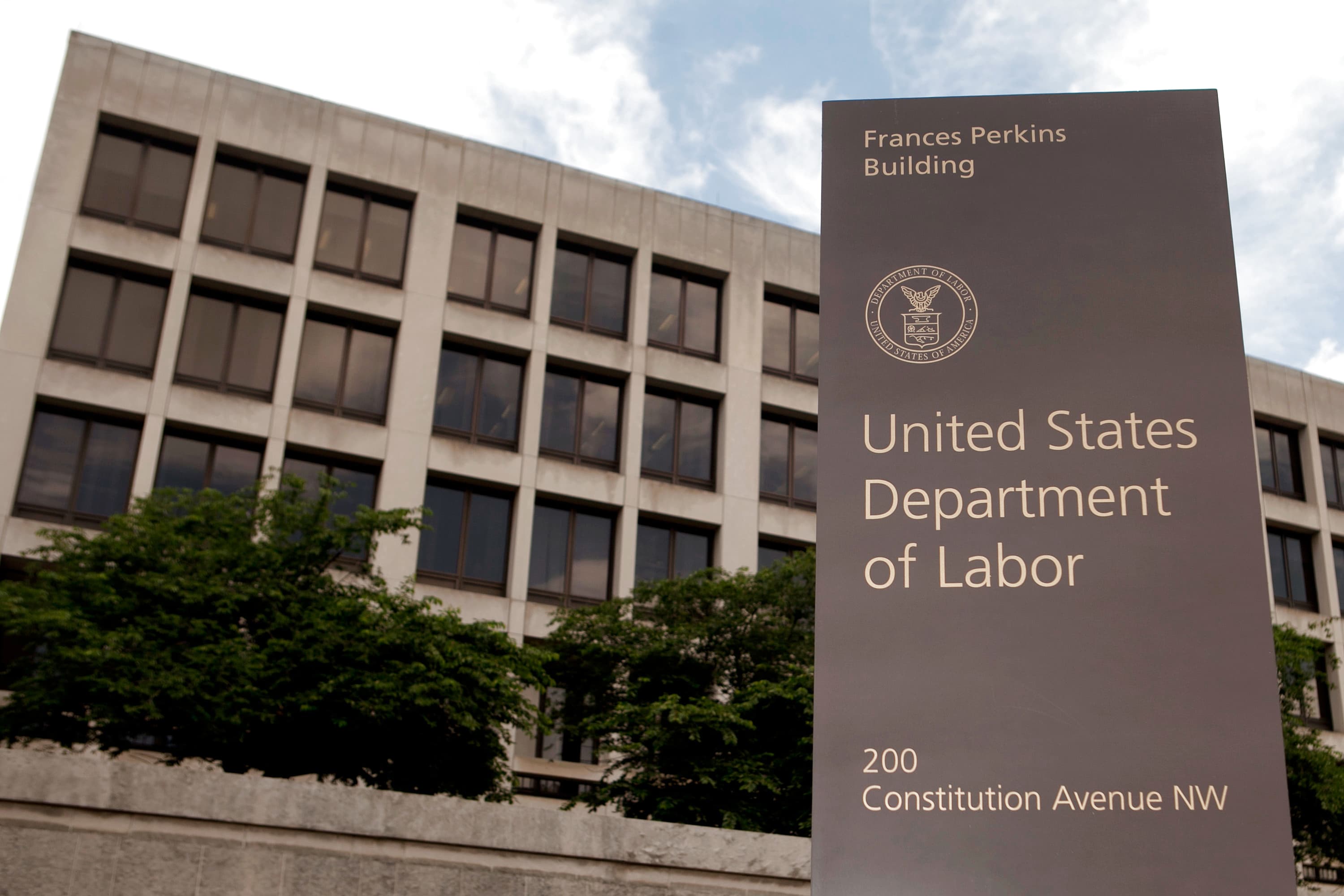
The U.S. court has annulled the retirement investor protection rule, known as the "fiduciary duty" law, raising serious concerns about the quality of investment advice provided to retirement investors. This rule, issued by the Department of Labor during President Biden's administration, aimed to elevate the legal protection for investors, especially when transferring funds from retirement plans like 401(k) to individual retirement accounts.
This move follows a similar fate for the same rule during President Obama’s tenure, where it was also revoked after legal battles with financial firms. Experts have indicated that the cancellation of this rule could lead to investment advice that does not serve the best interests of investors, complicating the financial landscape for individual investors.
Details of the Event
Previous laws during the Obama and Biden administrations sought to reduce conflicts of interest between financial brokers and investors by imposing higher legal standards. However, the Trump administration did not defend these laws, leading to their annulment in courts. Currently, the situation returns to what it was before the issuance of these laws, requiring investors to be more cautious when receiving financial advice.
Decisions to transfer from retirement plans to individual retirement accounts are among the most significant financial decisions individuals may make in their lives, involving amounts that can reach hundreds of thousands or even millions of dollars. As the number of retirees from the baby boomer generation increases, the importance of these decisions grows.
Context and Background
Historically, legal standards have been established to determine who can be considered a "trusted advisor" in providing financial advice. However, until the laws were enacted during Obama’s administration, most recommendations regarding financial transfers were not legally considered trustworthy advice. This led some brokers to provide advice that might serve their personal interests more than those of the investors.
In 1975, a five-part test was established to determine whether a person providing financial advice could be considered a trusted advisor. However, most financial brokers were not obligated to comply with these standards, resulting in advice that may not be in the best interest of investors.
Consequences and Impact
The implications of canceling the retirement investor protection rule include increased risks for individual investors, as it will be more challenging for them to assess the quality of the advice they receive. In the absence of a clear legal framework, investors may be vulnerable to exploitation by brokers who do not adhere to ethical or legal standards.
This cancellation may also lead to growing doubts about how the financial market is regulated, potentially negatively impacting investors' confidence in the financial system. Without standardized criteria, investors will increasingly rely on trust and transparency in their relationships with financial brokers.
Impact on the Arab Region
Although this event pertains to the U.S. market, it has implications for investors in the Arab region, as they may be affected by global trends in financial market regulation. The absence of clear standards in U.S. markets could lead to negative effects on global financial markets, reflecting on Arab investments abroad.
Ultimately, investors need to be more aware and cautious when making their investment decisions, especially in the absence of laws that protect their interests. It is crucial for investors to seek advice from trusted advisors and to be informed about how the financial market is regulated.