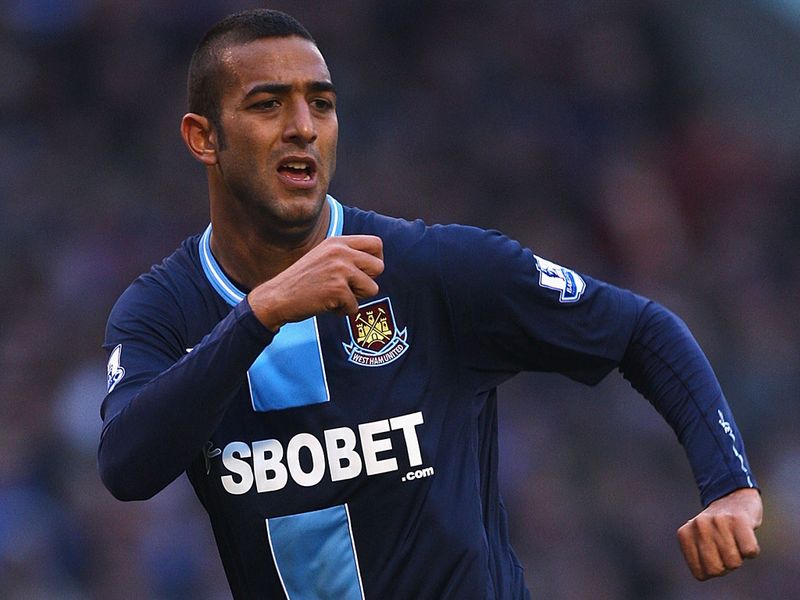
Today, the court is hearing the civil compensation case filed by Mahmoud El-Banna against former football player Ahmed Hossam 'Mido'. The case pertains to previous statements made by Mido, which El-Banna deemed offensive and which caused him psychological and financial harm.
This lawsuit comes at a sensitive time, as the sports community in Egypt is experiencing increasing tensions between players and the media. Mido's statements have sparked widespread controversy in sports circles, prompting El-Banna to take legal steps to protect his rights.
Details of the Case
The case revolves around statements made by Mido on social media, which El-Banna considers defamatory. El-Banna indicated that he has faced unfair treatment as a result of these statements, negatively impacting his personal and professional life.
The court is expected to hear testimonies and evidence presented by both parties today, as El-Banna seeks financial compensation for the damages he has suffered. Meanwhile, Mido denies any intention to offend, asserting that he was merely expressing his personal opinion.
Background & Context
This case is part of a larger phenomenon concerning the relationship between athletes and the media in Egypt. In recent years, there has been a rise in legal disputes between players and journalists, reflecting the growing tensions in this field.
Historically, there have been many similar cases that have stirred controversy in the sports community, as players strive to protect their reputations from media attacks. This case could contribute to establishing a new legal precedent in how such disputes are handled.
Impact & Consequences
If the court rules in favor of El-Banna, it could lead to a shift in how athletes interact with the media. Players may feel more secure in taking legal action against any statements they consider offensive.
On the other hand, a ruling in favor of Mido could enhance freedom of expression among athletes and the media, potentially encouraging more open discussions about sports issues.
Regional Significance
This case exemplifies what is happening in many Arab countries, where disputes between athletes and the media are on the rise. With the proliferation of social media, it has become easier to disseminate information, but at the same time, this can lead to escalating conflicts.
The way courts handle these cases could influence how disputes are managed in the future, potentially contributing to improved relations between athletes and the media in the region.
The public is closely following the developments of this case today, as it may open the door to broader discussions about athletes' rights and freedom of expression in the Arab world.