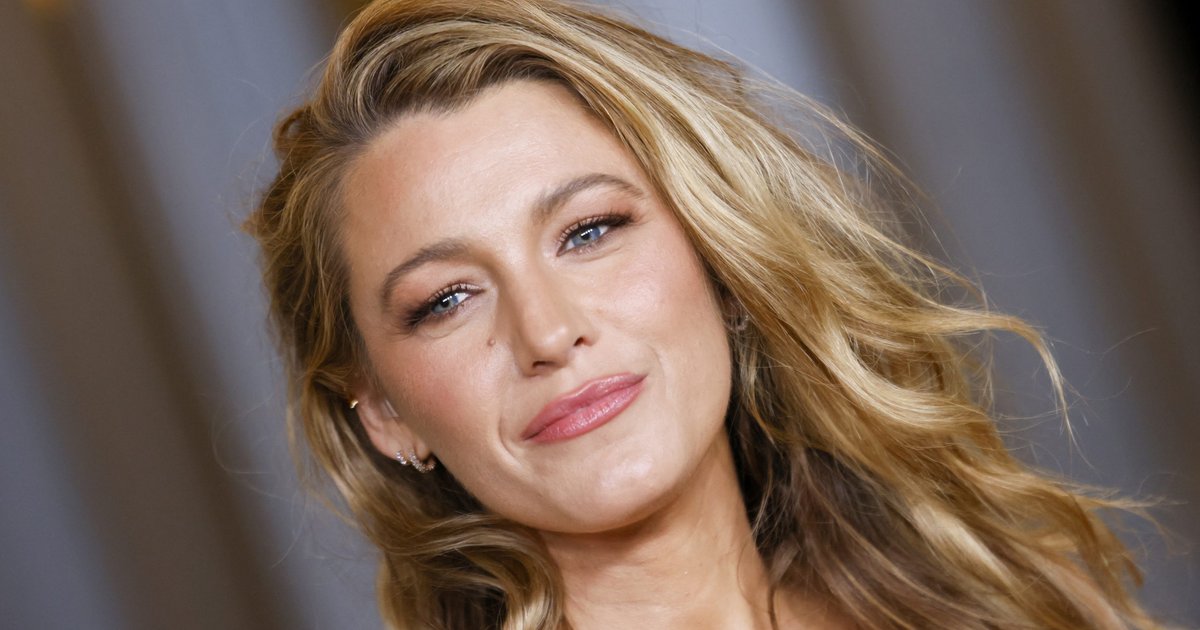
A U.S. court has dismissed most of the lawsuit filed by actress Blake Lively against her fellow actor Justin Baldoni, a move that has sparked mixed reactions among celebrities. This decision followed a court hearing where the judge deemed that the evidence presented by Lively was not enough to substantiate her allegations.
The case revolves around disputes between the two parties regarding the rights to use certain content, which has garnered interest from both the media and the public. Lively had accused Baldoni of using her personal images and content without permission, leading her to file a lawsuit seeking damages.
Details of the Court Hearing
During the recent hearing, the court listened to arguments from both sides, with Lively presenting evidence to support her claims. However, the judge concluded that this evidence was insufficient to prove a violation of her rights. Consequently, most points in the lawsuit were dismissed, meaning that the case will not proceed in court.
This ruling comes at a sensitive time for stars in Hollywood, where there has been an increase in cases related to intellectual property rights and the use of personal content. Some legal sources have suggested that this ruling could set a legal precedent in such cases.
Background & Context
Blake Lively and Justin Baldoni are prominent names in the American film and television industry. Lively has gained widespread fame through her roles in successful series and films, while Baldoni is known for his diverse work in entertainment. With the rise of social media, intellectual property rights issues have become more common, prompting many stars to take legal steps to protect their content.
Historically, Hollywood has seen numerous legal disputes concerning copyright rights, as artists strive to protect their work from unauthorized use. This case is part of a broader trend that reflects the challenges artists face in the digital age.
Impact & Consequences
This ruling may affect how stars handle their intellectual property rights in the future. It could lead to increased caution in using personal content and encourage artists to take legal action if they experience violations. Additionally, this ruling may contribute to shaping new policies in the entertainment industry regarding the protection of intellectual property rights.
On the other hand, some stars may feel concerned that this ruling could limit their ability to express themselves freely on social media, as it may restrict the use of personal images and content in certain contexts.
Regional Significance
In the Arab region, the importance of intellectual property rights issues is growing with the increasing use of social media and the development of the entertainment industry. This case could serve as an important lesson for Arab artists on how to protect their rights in a rapidly changing world.
Furthermore, this case may open discussions on how to regulate intellectual property rights in the Arab world, potentially leading to improved laws and regulations to protect artists and creators.
The court's decision to dismiss most of Blake Lively's lawsuit against Justin Baldoni highlights the challenges artists face in protecting their intellectual property rights and underscores the importance of legal awareness in the entertainment industry.