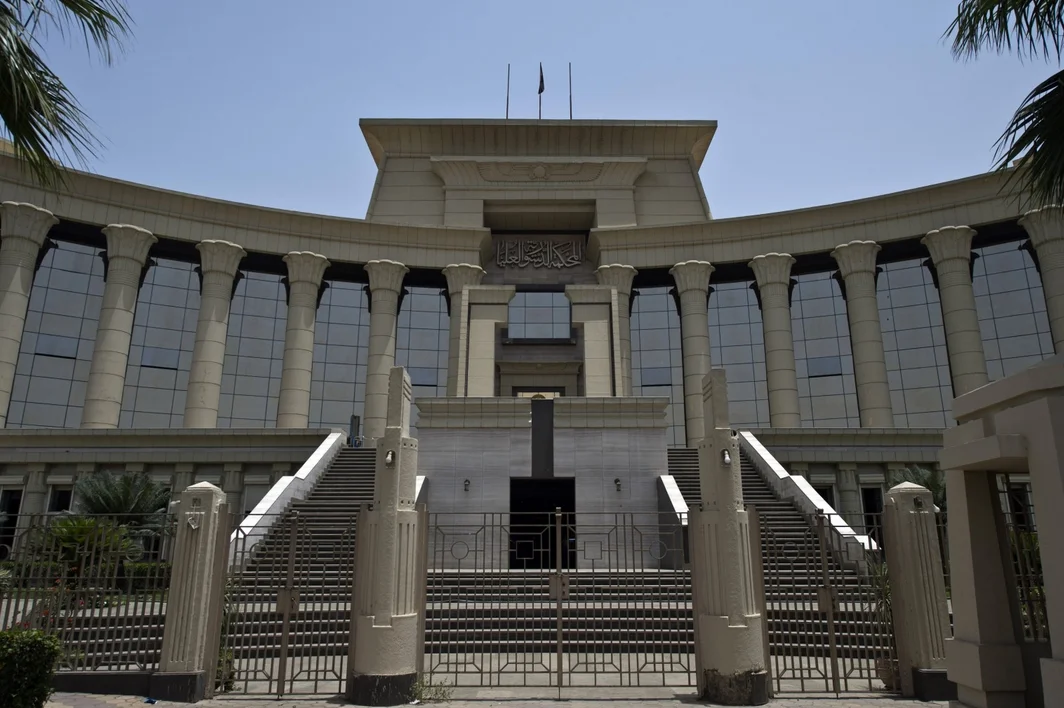
The competent court in Cairo has announced that it will reserve judgment for ten defendants charged with displaying force in the Ain Shams area, with the ruling scheduled for April 7. This case has garnered significant attention within Egyptian society, reflecting the security challenges the country faces amid a rise in the phenomenon of individuals showcasing power in public spaces.
The details of the case trace back to earlier events when the defendants exhibited their strength in the streets, causing panic among citizens. They were arrested following multiple reports from residents, highlighting the community's engagement with this negative phenomenon.
Details of the Incident
Reports indicate that the defendants engaged in illegal behaviors, such as threatening and assaulting citizens, prompting intervention from security forces. Some of these incidents were captured on video by eyewitnesses, aiding in the documentation of evidence against them. Initial investigations revealed that the defendants belong to a group of young individuals seeking to demonstrate their power through these actions.
In previous sessions, the public prosecution presented strong evidence supporting the charges against the defendants, including video recordings and testimonies from eyewitnesses. The defense lawyers asserted that their clients did not engage in any violent acts, adding another dimension to the case.
Background & Context
The phenomenon of displaying force in the streets is an increasing issue in Egypt, with many citizens suffering from these behaviors that threaten public safety. In recent years, there has been a rise in similar incidents, prompting the government to take stringent measures to combat this phenomenon.
Historically, there have been multiple attempts by Egyptian authorities to curb this issue, but challenges remain. The display of power by certain individuals poses a challenge to authority, necessitating an effective response from security agencies.
Impact & Consequences
This case significantly impacts the community, raising citizens' concerns about their safety and personal security. Furthermore, the increase in such phenomena may lead to a loss of trust in the state's ability to protect its citizens, negatively affecting social stability.
Moreover, this case may open the door for broader discussions on how to address the phenomenon of displaying force in society. The potential outcomes of this trial could lead to changes in security policies and legislation related to public safety.
Regional Significance
This case serves as a model for similar problems faced by many Arab countries, where issues of power displays and chaos in the streets are prevalent. Addressing these issues requires cooperation among Arab nations to share experiences and best practices in the field of security.
In conclusion, the issue of displaying force in the streets remains a sensitive topic that demands significant attention from both authorities and society. The outcomes of this trial may set a legal precedent affecting how such cases are handled in the future.