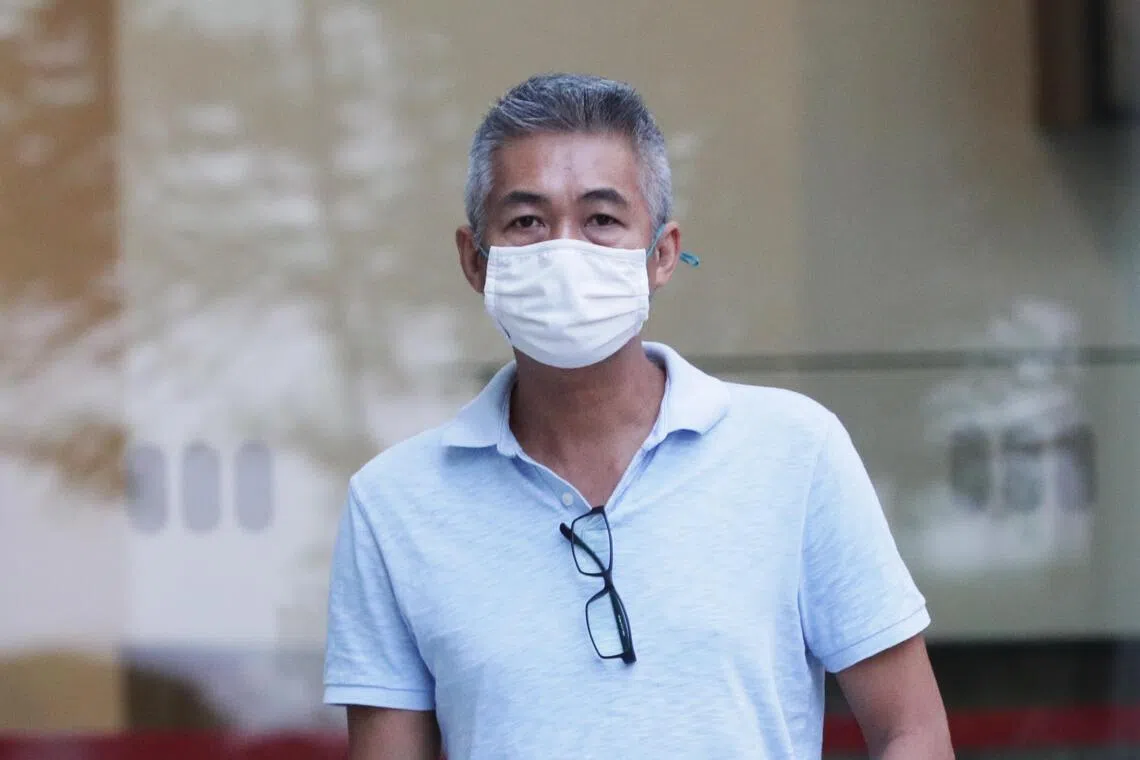
A court in Singapore has sentenced Richard Goh, a former employee of Shell, to 21 years in prison after he was convicted for his prominent role in a massive fuel theft scheme valued at around $100 million. Investigations revealed that Goh received illicit financial benefits amounting to approximately $1.5 million as a result of this crime.
This case is considered one of the largest fuel theft operations in Singapore's history, executed through a complex network of collusion between Shell employees and local distributors. Evidence showed that Goh played a pivotal role in facilitating these operations, leading to substantial losses for the company and the local economy.
Details of the Incident
The details of the case date back to 2017, when authorities began investigating fuel thefts from Shell's storage facilities. It was discovered that Goh was coordinating with several distributors to facilitate the transfer of stolen fuel to the black market. Investigations indicated that these operations persisted for several years, raising concerns among authorities regarding security in the country's energy sector.
During the trial, the prosecution presented strong evidence proving Goh's involvement, including audio recordings and text messages exchanged between him and his accomplices. Ultimately, the court sentenced him to 21 years in prison, a ruling considered strict for such cases.
Background & Context
Singapore is recognized as one of the largest fuel trading hubs in the world, handling vast quantities of oil and natural gas. However, this sector faces significant challenges related to corruption and economic crimes. In recent years, the country has witnessed several similar cases involving fuel theft, prompting the government to take stringent measures to combat these phenomena.
Historically, Singapore has been known as a safe and reliable trading center, but the rise in corruption and economic crimes could impact its reputation. These cases have led to increasing calls for enhanced transparency and accountability in both the public and private sectors.
Impact & Consequences
This case underscores the importance of strengthening oversight in Singapore's energy sector, as corruption can lead to significant economic losses and affect the country's reputation as a trading hub. Furthermore, Goh's sentencing serves as a strong message to officials and companies that corruption will not be tolerated and that severe consequences await those involved in such activities.
Moreover, this case could lead to changes in government policies regarding fuel trade oversight, potentially affecting how companies operate in this sector. Singapore may witness increased scrutiny and monitoring in the near future.
Regional Significance
Corruption and the theft of natural resources are sensitive issues in many Arab countries, where some nations face similar challenges related to transparency and corruption in the energy sector. This case highlights the importance of strengthening laws and regulations to combat corruption, especially in countries heavily reliant on oil and gas exports.
Additionally, this case serves as a call for Arab nations to adopt stricter policies to combat corruption and enhance transparency across all sectors, including energy. Improving the business environment and increasing trust in institutions can contribute to attracting investments and fostering economic growth.