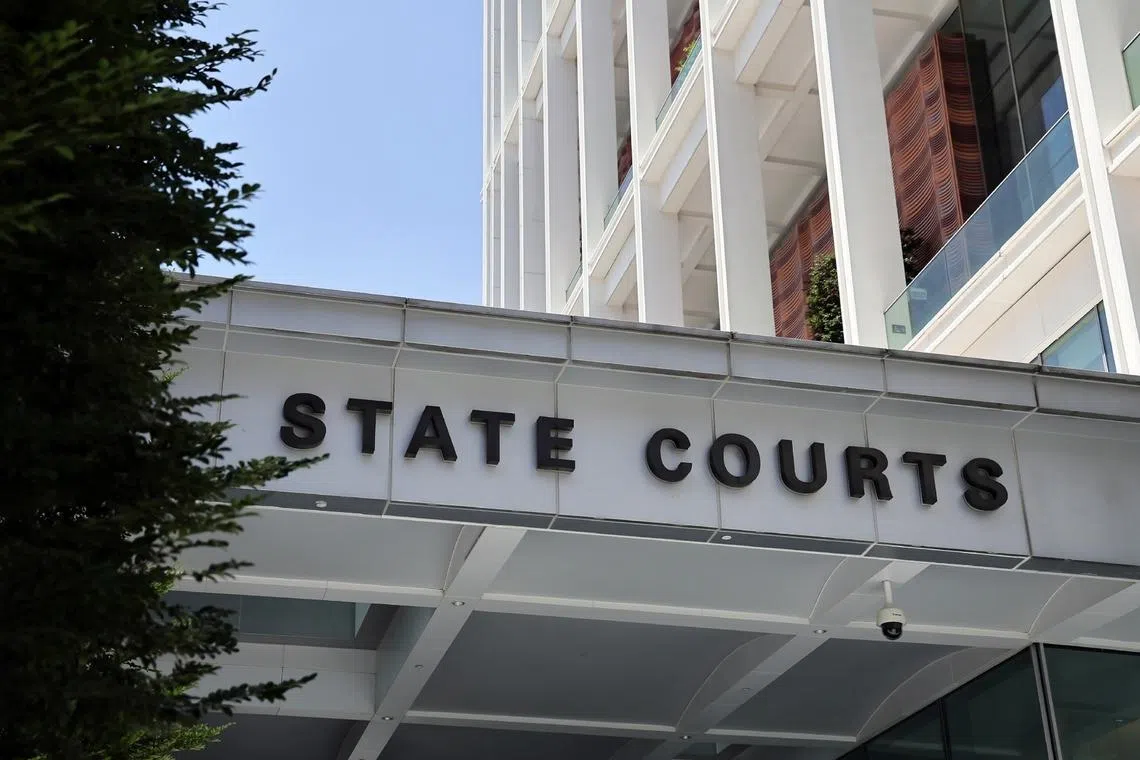
A court in Singapore has sentenced Pi Wei Xiang to prison after he was convicted of multiple investment frauds between 2013 and 2018. The defendant managed to collect approximately $15 million from more than 90 investors, promising them high returns on their investments.
The fraudulent methods employed by Xiang included making false promises about his investments, which resulted in many investors losing their money. Investigations revealed that the accused used part of the funds he raised to pay off previous investors, reflecting a classic Ponzi scheme model.
Details of the Case
During his active period, Pi Wei Xiang managed several investment companies, presenting himself as a successful investor. However, he had no real track record of success in investing and relied on attracting new investors to pay off the obligations of prior investors. These operations were uncovered after complaints were received from investors who did not receive the promised returns.
In court, Xiang admitted to making mistakes but claimed he never intended to harm anyone. Nevertheless, the court deemed his actions to be calculated and deliberate, leading to a lengthy prison sentence.
Background & Context
Investment frauds are a negative phenomenon affecting financial markets worldwide. In recent years, there has been an increase in the number of fraud cases, as fraudsters exploit the ignorance or desire of some investors for quick returns. This phenomenon is not new but has become more prevalent with the rise of the internet and social media, making it easier for fraudsters to reach a wide audience.
Historically, many countries have witnessed similar cases, where several fraudsters have been sentenced to prison after their methods were exposed. These cases highlight the importance of financial literacy for investors and the necessity of verifying the credibility of investment opportunities before making any decisions.
Impact & Consequences
Investment fraud cases can lead to a loss of confidence in financial markets, negatively impacting the economy as a whole. When investors feel insecure, they may hesitate to invest their money, resulting in a decline in economic activity. Additionally, these cases affect the reputation of financial institutions, as investors may avoid dealing with banks or investment firms due to fear of falling victim to fraud.
Moreover, fraud cases can cause significant financial losses for investors, which may affect their personal and professional lives. In some cases, this can lead to bankruptcy for individuals or families, creating widespread social and economic repercussions.
Regional Significance
The Arab region is not immune to this phenomenon, having witnessed several similar investment fraud cases. In recent years, numerous cases targeting Arab investors have been recorded, resulting in significant losses of their funds. These cases underscore the urgent need to strengthen laws and regulations related to investment, along with the importance of financial awareness among citizens.
It is crucial for Arab governments to enhance transparency and accountability in financial markets to protect investors from fraud. There should also be joint efforts among Arab countries to exchange information and experiences in combating financial fraud.