Craftsmen in the Gaza Strip are striving to dig new water wells to meet the needs of displaced residents, following the destruction of approximately 85% of the water infrastructure by the Israeli occupation. Under the difficult conditions faced by the population, digging wells has become one of the few available options to secure a water source.
In the Tal al-Hawa neighborhood, south of Gaza City, around 10 workers are working in unison around a narrow pit, where a hollow iron cylinder is being driven into the wet ground. The muddy area expands with each strike from the drilling machine, while water flows through the hose to soften the hardness of the soil.
Details of the Effort
The process of digging wells requires high skills, as workers are distributed around the pit, each performing a specific role. Hamza Falafel, a contractor in the well-digging field, states: "We are digging water wells for our displaced brothers amid water shortages. The work is being carried out under complex conditions, with a severe shortage of fuel, raw materials, and spare parts."
The cost of digging a single well reaches about $15,000, an amount that is difficult to secure under current circumstances. However, digging one water well can change the lives of hundreds of displaced individuals by providing a stable water source.
Background & Context
The water infrastructure in Gaza has been significantly affected by the war, with official estimates indicating that the average water supply in some areas has dropped to between 3 and 5 liters per person per day, a level far below the minimum necessary for survival.
More than 85% of water and sanitation facilities in Gaza have been completely or partially destroyed, leading to a near-total collapse of the sewage management system. This has resulted in the spread of wastewater in residential areas, increasing the risks of environmental contamination.
Impact & Consequences
The health of the population has been significantly affected due to the water shortage, with rising cases of waterborne diseases, including acute watery diarrhea. The severe lack of water particularly impacts women and girls, as it restricts their ability to maintain personal hygiene and increases the risks of exposure to violence.
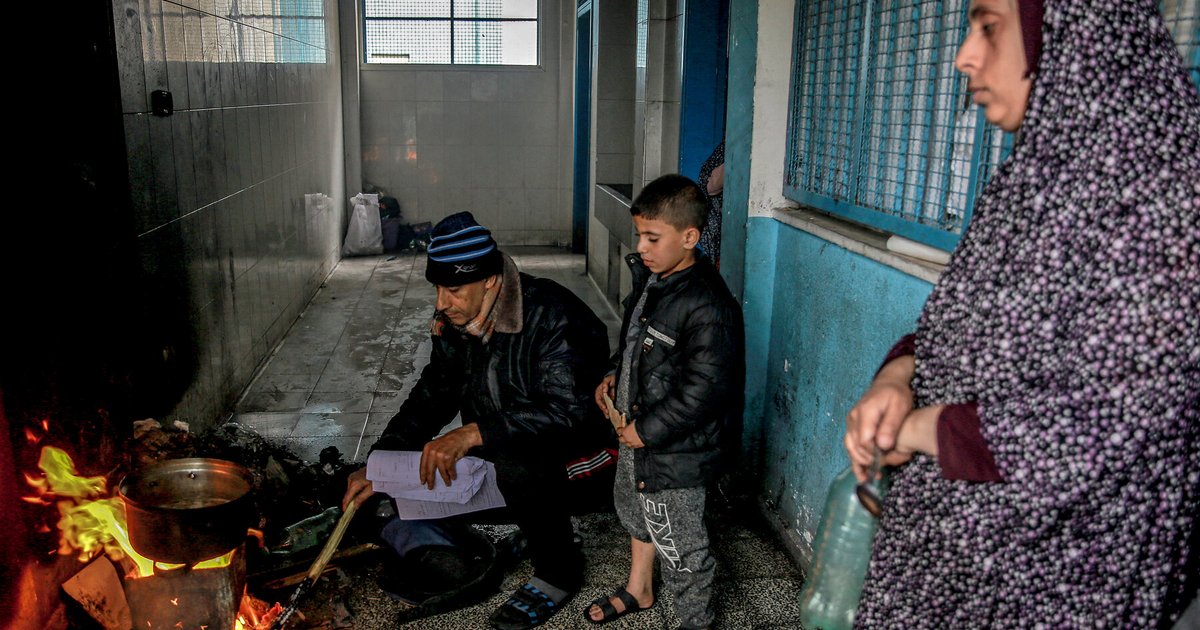
In the "Synd" shelter, where about 1,000 displaced individuals reside, the situation before the well was dug was extremely dire. With the well now operational, it has become possible to provide water for the residents for their basic needs, alleviating some of the pressure on the limited water resources.
Regional Significance
The water crisis in Gaza serves as a model for humanitarian crises faced in other parts of the Arab world. The destruction of water infrastructure in Gaza highlights the urgent need for humanitarian support and the improvement of living conditions for affected populations.
Under these circumstances, there is a need for collective international and local efforts to secure water sources and improve basic services, ensuring a dignified life for the population in Gaza and other affected areas.