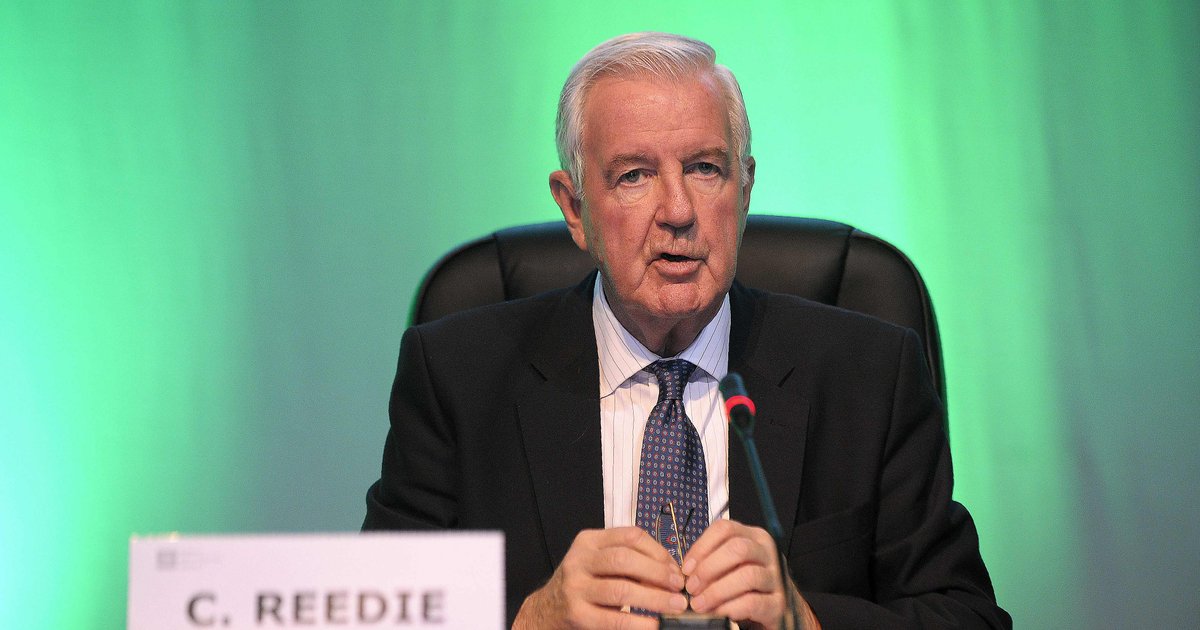
Craig Reedie, one of the most prominent figures in the world of sports and anti-doping, passed away at the age of 84, as announced by World Athletics on Monday. Reedie, who was an international badminton player, transitioned into sports administration after his playing career, where he played a pivotal role on the global stage.
Reedie served as the President of the World Anti-Doping Agency, chaired the British Olympic Association, and was the Vice President of the International Olympic Committee. He was known for his strong commitment to the principles of integrity in sports, always striving to promote transparency and fair competition.
Details of the Event
Sebastian Coe, President of World Athletics, expressed his deep sorrow over Reedie's passing, noting that he was an athlete at heart but possessed the mindset of a politician. Coe described him as a candid, wise, and intelligent individual who was always loyal to those who earnestly sought to serve the sport.
Reedie was known for his courage in expressing his opinions, never hesitating to defend his beliefs, even in situations where he might be at a disadvantage. He had the ability to acknowledge his mistakes when necessary, reflecting his humility and sincerity.
Background & Context
Historically, global sports have faced numerous challenges related to doping, making the fight against this phenomenon an urgent necessity. Reedie significantly contributed to the development of effective anti-doping strategies, making him a central figure in this field. Since the establishment of the World Anti-Doping Agency, Reedie has been at the forefront of efforts to ensure the integrity of sports competitions.
Additionally, Reedie played a prominent role in fostering international cooperation among various sports bodies, contributing to the enhancement of laws and policies that combat doping in sports. His legacy in this area will remain in the minds of many for a long time.
Impact & Consequences
The death of Craig Reedie represents a significant loss to the sports world, as he had a profound impact on how sports are managed and how doping is combated. His departure raises questions about the future of efforts in this field, especially given the ongoing challenges faced by global sports.
His death is expected to affect many programs and initiatives he supported, potentially leading to a reassessment of current anti-doping strategies. Moreover, his loss may leave a leadership void that sports need to address in facing future challenges.
Regional Significance
In the Arab region, Reedie's death could impact efforts to combat doping, especially amid the growing interest in sports in Arab countries. Such events may encourage Arab nations to enhance their anti-doping programs and adopt stricter policies to ensure the integrity of competitions.
Furthermore, Reedie's passing may open the door for new discussions on how to strengthen cooperation among Arab countries in the field of sports, contributing to the development of a healthy and sustainable sports environment.