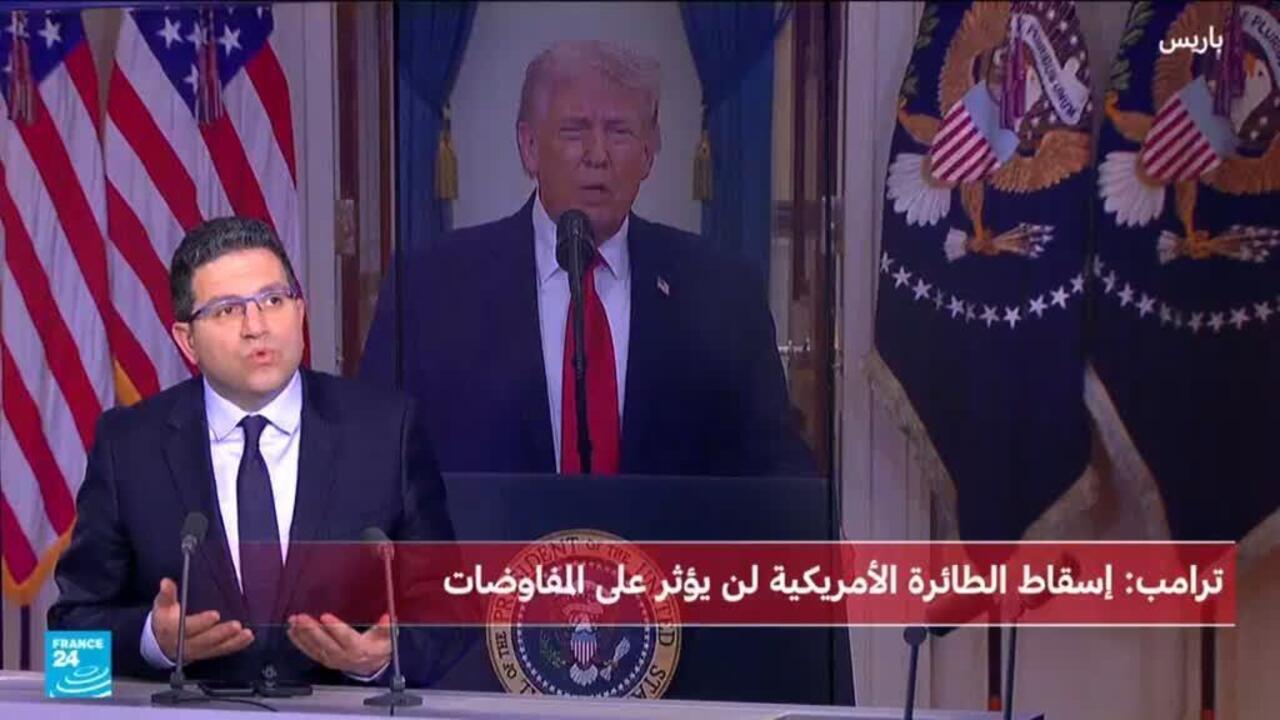
Efforts at mediation between the United States and Iran face a severe impasse following the crash of two American planes, raising questions about President Trump's options in responding to this escalation. This comes at a time when tensions between the two countries are rising, as mediation aimed to ease the conflict and find peaceful solutions to the ongoing crisis.
The crash of the two planes, which occurred under mysterious circumstances, could have significant implications for relations between Washington and Tehran, as this incident is seen as a serious escalation that could lead to military responses from the American side. Under these circumstances, Trump faces increasing pressure from his allies in the region, who are calling for strict actions against Iran.
Details of the Incident
According to reports, the two planes crashed in an area near the Iranian border, raising widespread concerns about the safety of American military aviation. The causes of the crash have not yet been revealed, but suspicions are swirling around the possibility that they were hit by anti-aircraft fire from Iranian forces. This incident comes at a highly sensitive time, as talks were ongoing between the two sides aimed at easing tensions.
On the other hand, the U.S. Department of Defense confirmed that investigations are underway to determine the circumstances of the incident, and that it will take necessary measures to protect its forces in the region. At the same time, Iranian officials expressed their concerns about the escalating tensions, affirming that they do not seek to escalate the situation but are prepared to defend their territory.
Background & Context
Historically, U.S.-Iranian relations have seen increasing tensions since the United States withdrew from the nuclear agreement in 2018. Since then, Washington has imposed strict economic sanctions on Tehran, exacerbating the situation in the region. Recent years have also witnessed numerous military incidents between the two sides, including attacks on oil tankers in the Arabian Gulf.
These events are part of a broader struggle between regional and international powers, where Iran seeks to enhance its influence in the region, while the United States and its allies attempt to counter this influence. In this context, mediation plays a vital role in trying to find peaceful solutions, but recent events may complicate these efforts further.
Impact & Consequences
The crash of the two planes could have far-reaching effects on U.S. military strategy in the region. If it is proven that Iran is responsible for the incident, it could lead to a military response from the U.S. that may radically change the course of events. Conversely, if Iran is found not to be involved, it could lead to a reduction in military pressures on Tehran, opening the door for further dialogue.
Additionally, these events may impact global markets, particularly in the energy sector, as rising tensions could lead to an increase in oil prices. The international reactions to these events will also be crucial in determining how the situation develops in the coming days and weeks.
Regional Significance
Arab countries neighboring Iran are on high alert, as any escalation in the conflict could affect the stability of the entire region. Many countries, such as Saudi Arabia and the United Arab Emirates, have strategic interests in the area and may be directly affected by any military escalation.
At the same time, some countries may seek to exploit the situation to bolster their political positions, potentially leading to further division in the region. It is essential for Arab nations to remain united in the face of challenges that may arise from these events and to seek to enhance dialogue and regional cooperation.
In conclusion, the situation in the region remains complex, with political and military interests intertwining. As mediation efforts continue, hope remains for the possibility of reaching peaceful solutions, but recent events suggest that the road ahead will be rocky and difficult.