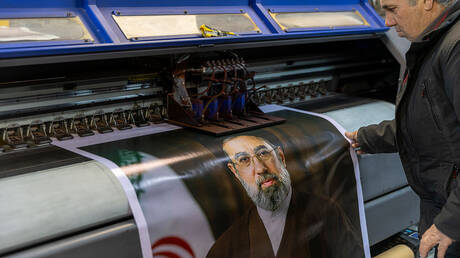
Mojtaba Khamenei, the son of Iranian Supreme Leader Ali Khamenei, is currently undergoing medical treatment in Qom, where he is reported to be in a critical health condition. This situation could prevent him from participating in any decision-making processes within the Iranian system, raising questions about the future of leadership in the country.
The news comes at a sensitive time for Iran, which is facing multiple internal and external challenges. The health status of Mojtaba Khamenei has sparked concerns among observers regarding the stability of the Iranian regime, especially amid rising tensions in the region.
Details of the Situation
According to reports, Mojtaba Khamenei is receiving treatment at a hospital in Qom, a holy city that serves as an important religious center in Iran. Specific details regarding the nature of his health condition have not been disclosed, but sources indicate that it may be serious enough to impact his role as a prominent figure within the regime.
It is noteworthy that Mojtaba Khamenei has been viewed as a potential successor to his father, which amplifies the significance of his health condition for Iran's political future. Should his condition worsen, the regime may be compelled to reassess its leadership options in the near future.
Background & Context
Historically, the health of Iranian leaders has been a sensitive topic, as any deterioration in their health could lead to radical changes in power. In recent years, Iran has witnessed numerous political and economic crises, increasing pressure on the current leadership.
Furthermore, Mojtaba Khamenei's health situation coincides with escalating public protests against the government, adding an additional layer of complexity to the political landscape in the country. These protests reflect widespread dissatisfaction with economic and social conditions, necessitating swift and effective decision-making from the leadership.
Impact & Consequences
If Mojtaba Khamenei's condition continues to deteriorate, it could lead to a power vacuum, potentially opening the door to internal conflicts among various factions within the regime. This scenario could exacerbate the crises facing Iran, both domestically and internationally.
These developments are likely to impact regional politics, as Iran is a key player in many conflicts across the Middle East. Any change in leadership could lead to a reevaluation of relationships with neighboring countries, as well as with global powers.
Regional Significance
Iran is considered an influential power in the region, and any changes in its leadership could affect stability in neighboring countries. Given the existing tensions between Iran and Gulf states, any power vacuum could escalate conflicts or even lead to new alliances.
Moreover, Mojtaba Khamenei's health situation may raise concerns among Arab nations, which are closely monitoring developments in Iran. Any changes in leadership could prompt these countries to reassess their security and political strategies.
The health condition of Mojtaba Khamenei raises numerous questions about the future of Iran and its political system. Under the current circumstances, the political landscape in Iran remains uncertain, necessitating careful observation by analysts and observers.