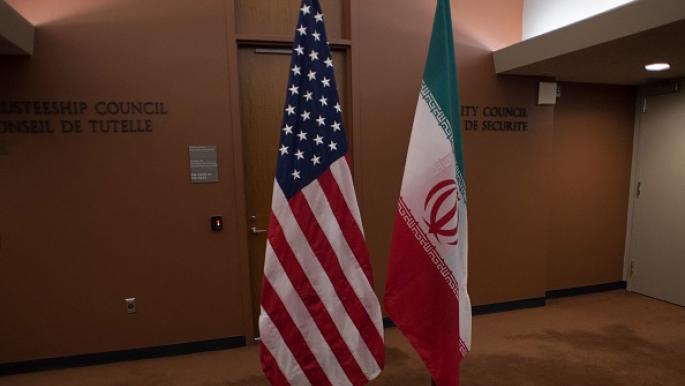
Next Friday marks the beginning of the first round of talks between Iran and the United States, set to last for two weeks. This effort aims to reach an agreement that resolves the ongoing conflict between the two parties. These discussions come at a sensitive time, as both sides seek to find lasting solutions to a dispute that has significantly impacted regional and international stability.
The talks coincide with rising tensions in the region, as the United States aims to reduce Iran's influence in the Middle East, while Tehran seeks to bolster its position against Western pressures. The discussions are expected to cover multiple issues, including Iran's nuclear program, Tehran's support for armed groups in the region, and human rights.
Details of the Event
Islamabad is hosting this round of talks, reflecting Pakistan's role as a potential mediator in regional disputes. Pakistan has expressed its readiness to support peace efforts, hoping that these discussions will contribute to enhancing stability in the region. High-level representatives from both sides are expected to participate in the talks, underscoring the importance of this round.
Reports indicate that the talks will also address economic issues, as Iran seeks to alleviate sanctions imposed on it, which have negatively affected its economy. The discussions will explore ways to enhance cooperation in areas such as trade and energy, which could benefit all parties involved.
Background & Context
The roots of the dispute between Iran and the United States date back decades, with relations between the two countries deteriorating significantly since the Iranian Revolution in 1979. Since then, the United States has imposed strict economic sanctions on Iran, exacerbating the country's economic and social conditions.
In recent years, tensions have escalated notably, especially after the United States withdrew from the Iranian nuclear agreement in 2018. This decision led to heightened stances between the two parties and increased fears of a military conflict. However, the current talks represent a new opportunity to reach peaceful solutions.
Impact & Consequences
If the talks succeed in making tangible progress, they could lead to a reduction in regional tensions, contributing to the stability of oil prices and financial markets. Additionally, the success of these talks may encourage other countries to take similar steps toward dialogue instead of escalation.
On the other hand, if the talks fail, it could further escalate tensions, threatening regional security and increasing the likelihood of military conflict. Therefore, the outcomes of these discussions will have significant implications for security and stability in the Middle East.
Regional Significance
The relationship between Iran and the United States directly impacts Arab countries, especially those sharing borders with Iran or affected by its influence in the region. Gulf states, for example, are closely monitoring these talks, hoping they will contribute to reducing security tensions.
Moreover, any progress in the talks could open the door to improving relations between Iran and Arab countries, potentially enhancing regional cooperation in various fields, such as economics and security.
In conclusion, the Islamabad talks represent a historic opportunity for both sides, as they could lead to radical changes in international and regional relations. Hope remains pinned on the success of these discussions in achieving peace and stability in the region.