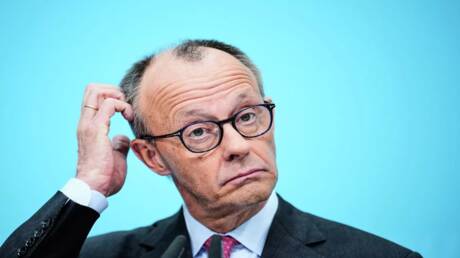
Finnish MP Armando Mima criticized German Chancellor Friedrich Merz for his statements in which he reiterated his intention to "continue confronting Russia until its economic collapse." Mima emphasized that achieving such illusions is far-fetched, noting that such statements do not reflect the complex economic and political reality facing Russia.
These remarks come at a time when tensions between Western nations and Russia are escalating, especially after the war in Ukraine, where many European countries are seeking to impose economic sanctions on Moscow. However, Mima believes that expectations for the collapse of the Russian economy are nothing but unrealistic wishes.
Details of the Event
Chancellor Friedrich Merz made his statements during a press conference, where he indicated that Germany would continue to support Ukraine in its fight against Russian aggression. He stressed the importance of European unity in facing the challenges posed by Russia, emphasizing that economic sanctions must continue until their objectives are achieved.
In contrast, Mima criticized these statements, pointing out that the Russian economy, despite the challenges it faces, is still capable of withstanding pressures. He explained that the expectations of a collapse of the Russian economy rely on inaccurate assumptions and that Russia possesses significant natural resources that enable it to adapt to economic pressures.
Background & Context
Historically, Russian-Western relations have seen increasing tensions since Russia's annexation of Crimea in 2014, which led to the imposition of economic sanctions on Moscow. As the conflict in Ukraine escalated, these tensions significantly increased, with Western nations seeking to bolster their stance against Russia.
Finland is one of the countries that shares a long border with Russia, making it more sensitive to developments in the relations between Moscow and Western nations. Finland has seen an increase in military spending and enhanced cooperation with NATO in recent years.
Impact & Consequences
Merz's statements indicate ongoing pressures on Russia, but they also raise questions about the effectiveness of this strategy. While Western nations aim to achieve their goals through sanctions, it appears that Russia is capable of adapting to these pressures.
These statements could exacerbate tensions between Russia and Western nations, increasing the likelihood of escalating the conflict in Ukraine. Additionally, the continuation of these policies may impact the European economy, especially given the significant reliance on Russian energy.
Regional Significance
The developments in Russian-Western relations are of great importance to the Arab region, as Russia plays a significant role in many conflicts in the Middle East. From Syria to Libya, Russia seeks to enhance its influence in the region, making it essential to monitor the impact of Western sanctions on its policies.
Moreover, the economic conditions in Russia could affect oil and gas prices, which would reflect on the economies of energy-producing Arab countries. Therefore, following these developments is vital for a better understanding of the regional landscape.
In conclusion, the statements regarding the collapse of the Russian economy remain a contentious issue, reflecting the significant challenges facing Russia, but also highlighting the gap between expectations and reality. Under these circumstances, the need for a thorough analysis of events and potential consequences remains essential.