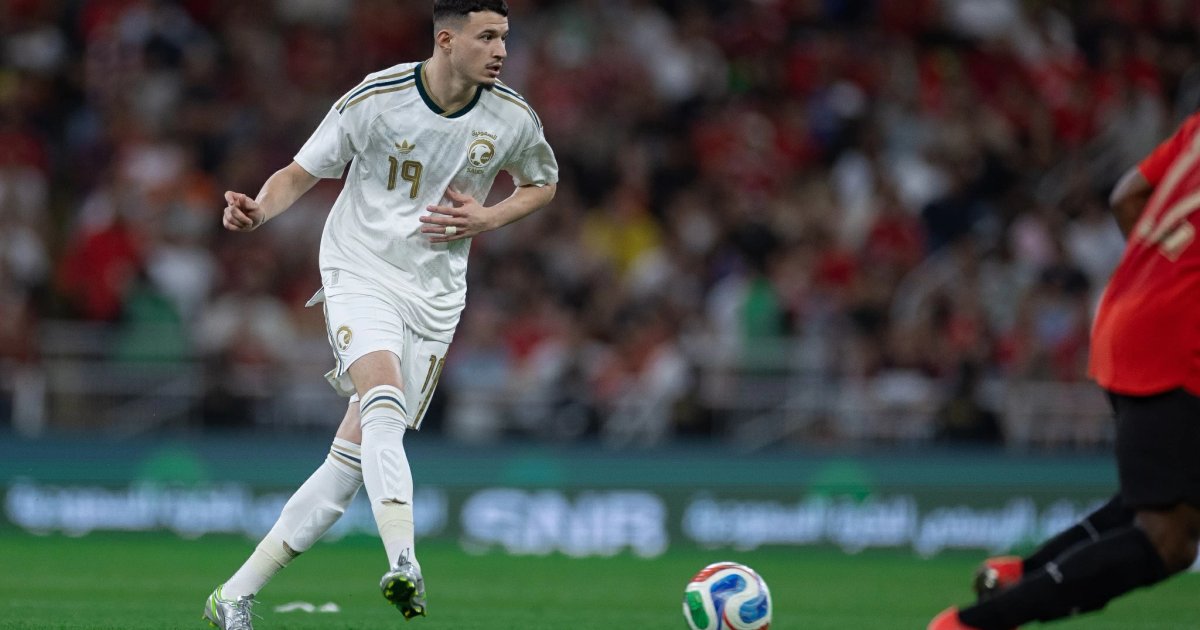
In the wake of the harsh defeat suffered by the Saudi national football team against their Egyptian counterpart, losing by a score of four goals to none in a friendly match held at the Al-Inma Stadium in Jeddah, Abdulrahman bin Musaed, the former president of Al-Hilal Club, made statements via his account on the platform 'X' reflecting his stance on the current situation of the national team. He confirmed in his post that 'our team is excused and we should not be harsh on them, a team playing without players, without a coach, without an administrative staff, and without a federation overseeing it.'
Bin Musaed's words highlight the challenges currently facing the Saudi national team, where there seems to be a lack of organization and stability within the administrative and technical framework. Many have considered that his post carries implicit critical messages directed at the entities responsible for developing the national team, reflecting his dissatisfaction with the overall performance of the federation and the coaching staff.
Match Details and Performance
The match held last Tuesday in Jeddah saw an unexpected performance from the Saudi national team, as they conceded four goals without reply. This result sparked widespread discontent among fans, who had hoped for a better performance from the national team. In this context, Bin Musaed's comment expressed the feelings of many supporters who believe that the team lacks sufficient support from the Saudi Football Federation.
The public reacted significantly to Bin Musaed's post, with opinions divided between those who supported its content and those who felt a deeper understanding of the team's reality and current circumstances was necessary. Some pointed out that the criticisms directed at the federation and coaching staff might be essential to motivate them to improve performance.
Context and Background
This criticism comes at a sensitive time for the Saudi national team, which is striving to achieve positive results in the World Cup qualifying matches. As pressures mount on the coaching staff and the federation, concerns grow regarding the team's ability to compete in upcoming tournaments. Historically, the Saudi national team has experienced fluctuations in its performance, having achieved successes in the 1990s and early 2000s, but it has suffered a noticeable decline in results in recent years.
This friendly match is part of the team's preparations to face upcoming challenges, but negative results could affect the morale of the players and the coaching staff. In this context, the role of the Saudi Football Federation in providing necessary support and developing the technical performance of the national team becomes prominent.
Consequences and Implications
The implications of this loss extend beyond the result on the field, raising questions about the future of the Saudi national team under the current leadership. The criticisms voiced by Bin Musaed could be the beginning of broader discussions on how to enhance the technical and administrative performance of the national team. Additionally, these statements might push the Saudi Football Federation to reevaluate its strategies and approaches in dealing with the national team.
These circumstances could impact fan support for the national team, as negative results may lead to a decline in attendance at upcoming matches. This, in turn, could adversely affect the players who need strong fan support to achieve success.
Impact on the Arab Region
Football in the Arab world is more than just a sport; it represents a part of identity and culture. Therefore, the performance of the Saudi national team affects the sentiments of fans across the region. Repeated defeats could lead to fan frustration, which may impact relationships between clubs and sports federations in Arab countries.
In conclusion, hope remains pinned on the Saudi national team's ability to overcome these crises and regain its level, but this requires integrated efforts from all stakeholders involved, from the players to the Saudi Football Federation.