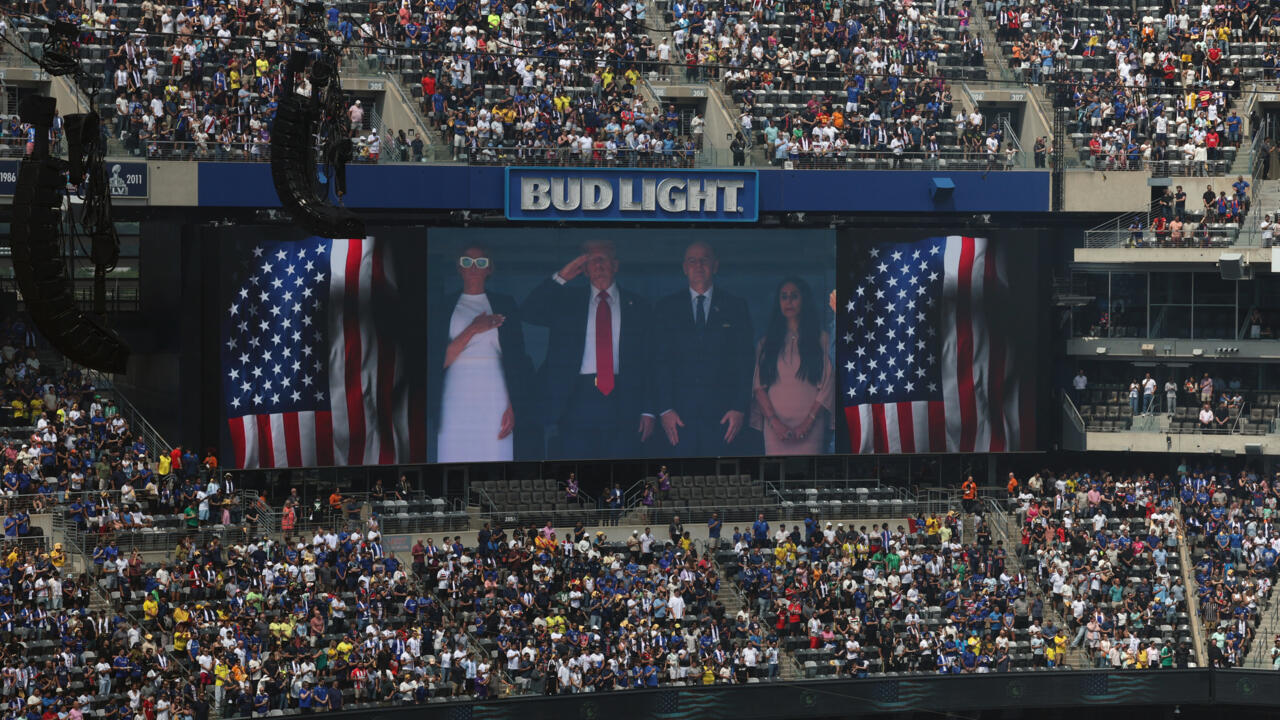
The United States, Canada, and Mexico are preparing to host the 2026 World Cup, scheduled to start on June 11. However, the tournament faces sharp criticism regarding its organization and security protocols. The FIFA has approved the introduction of stoppages during matches, sparking widespread debate among fans of the sport.
One of the most notable changes is the introduction of a three-minute stoppage in each half to allow players to hydrate, a measure inspired by traditions in American sports such as basketball and American football. This system was tested during the Club World Cup hosted in the United States last year.
Event Details
French national team coach Didier Deschamps criticized this decision, indicating that stoppages could disrupt the flow of the game. He stated, "If you are controlling the match and the referee calls for a break, it disrupts the rhythm." He also pointed out that these changes might be beneficial for broadcasting networks, as they provide an opportunity to air advertisements.
On the other hand, some analysts believe that this decision is not primarily about player health but rather about financial gains from advertisements. British journalist Daniel Brigham expressed his concern about the "Americanization of football," noting that previous attempts to segment matches into periods were met with rejection.
Background & Context
Historically, the 1994 World Cup in the United States saw similar attempts to segment matches, but they were rejected by FIFA. However, it seems that organizers have found a way to achieve this goal after 32 years. Additionally, the technical challenges related to the design of American stadiums, which were built to host American football, raise questions about how they will be adapted to host World Cup matches.
During recent friendly matches, viewers complained about the quality of the television production, as visibility was poor due to stadium design. Furthermore, the use of artificial turf in some stadiums may require significant changes before the tournament kicks off.
Impact & Consequences
In addition to changes in match organization, the tournament faces other challenges related to security protocols. A friendly match between Tunisia and Canada was delayed due to heavy rain, highlighting the need for effective emergency plans. The strict security protocols followed by the United States, which include searching players and delegations, may also cause dissatisfaction among participants.
This raises questions about how these measures will affect the experience of both fans and players. FIFA may intervene to modify these protocols before the tournament begins, especially with the participation of 48 teams.
Regional Significance
Arab fans face additional challenges, as supporters of teams like Algeria and Tunisia must pay a financial guarantee of up to $15,000 to obtain entry visas to the United States. This amount represents a significant financial burden, especially in countries with weak economies, raising concerns that the World Cup may turn into an event limited to the wealthy.
In conclusion, the 2026 World Cup remains the focus of global attention, but criticisms regarding its organization and security protocols may affect its reputation. Football fans are eager to see how FIFA will respond to these challenges before the major event.