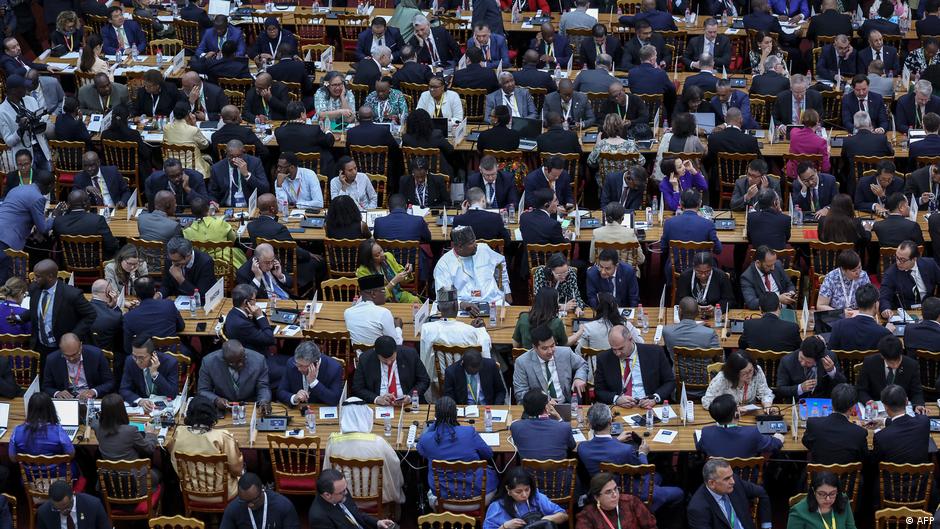
In a significant development, U.S. Trade Representative Jamison Greer criticized the World Trade Organization (WTO) on Monday after the organization failed to reach a consensus on extending the suspension of tariffs on e-commerce during its four-day ministerial conference in Yaoundé, Cameroon.
Greer indicated that the United States would seek to establish alternative agreements with countries that share its vision, clarifying that its role in the international organization would be limited in the future. He stated, "I have always been skeptical about the value of the WTO, and this week’s conference confirmed that this organization will only play a limited role in future global trade policy efforts."
Details of the Event
The 14th WTO Ministerial Conference concluded on Monday without achieving any major agreements, highlighting deep divisions among member countries. Since 1998, there has been a moratorium on imposing tariffs on cross-border digital transmissions, including digital downloads and streaming, which had been extended in previous conferences.
However, this time, the moratorium ended for the first time since its introduction, following stalled negotiations between the United States and Brazil. The negotiations experienced significant tension, with diplomats working until Sunday to bridge the gap between Brazil's proposal for a two-year extension and the permanent extension sought by the United States, ultimately leading to a draft plan for a four-year extension with a mid-term review period.
Background & Context
The World Trade Organization, established in 1995, plays a pivotal role in regulating international trade and facilitating negotiations among member countries on trade issues. However, its role has faced challenges in recent years, as doubts have increased regarding its effectiveness in addressing new issues such as e-commerce.
E-commerce is considered one of the fastest-growing sectors in the global economy, making its regulation essential. However, the failure to extend the tariff suspension reflects the challenges countries face in reaching common agreements in this area.
Impact & Consequences
The failure of negotiations at the WTO could lead to increased tariffs on e-commerce, negatively impacting both businesses and consumers. The United States, which is one of the largest digital markets in the world, may find itself compelled to operate outside the framework of the organization to achieve its trade objectives.
Greer confirmed that the United States has secured commitments from several countries, including most of its major trading partners, not to impose tariffs on American digital transmissions. This suggests that the United States may seek to form new alliances with other countries to advance its trade interests.
Regional Significance
Arab countries are part of the global trading system, and any changes in U.S. trade policies could affect their economies. If the United States forms new alliances outside the WTO, Arab countries may need to reassess their trade strategies.
It is crucial for Arab nations to remain vigilant regarding developments in this area, as e-commerce represents a significant opportunity for economic growth in the region.
In conclusion, the failure of negotiations at the WTO indicates significant challenges facing the global trading system and reflects the need to rethink how to effectively regulate e-commerce.