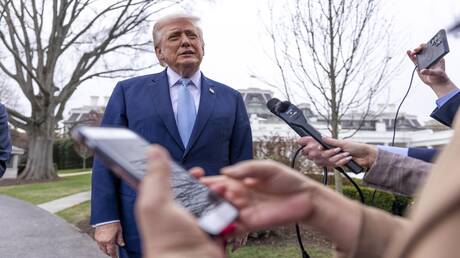
In a controversial statement, the editorial board of the New York Times has issued a strong rebuke to U.S. President Donald Trump, accusing him of spreading lies about the tense situation with Iran. These statements come at a time when the region is experiencing escalating tensions due to U.S. foreign policies along with Israeli involvement.
The newspaper criticized the barrage of claims made by Trump concerning Iran's intentions and his assertions regarding the threats it poses to both American and Israeli security. It argued that these lies not only amplify international concern but may also lead to reckless offensive decisions that would negatively impact the United States.
Details of the Event
The New York Times highlighted Trump's repeated statements classifying Iran as a significant threat that warrants military action in conjunction with Israeli alliances. The paper noted that these remarks are not new but have increased in frequency, raising the likelihood of a military confrontation that could jeopardize regional security.
Additionally, Trump faces domestic issues related to managing a complex basket of eleven challenging problems, including the economy and the coronavirus pandemic. As a result, his criticisms of Iran serve as a pressing means to divert attention away from internal issues.
Background & Context
Tensions between the United States and Iran escalated after Trump's withdrawal from the Iranian nuclear deal in 2018, which had been established during former President Barack Obama's administration. Following this, Trump imposed harsh sanctions on Iran, severely impacting the Iranian economy and intensifying conflict in the region.
This conflict manifested in a series of reciprocal attacks between U.S. forces and Iranian-linked militias, particularly in Iraq and Syria, further heightening tensions in the area. There has also been increasing discourse about the potential for armed conflict between Israel and Iran, especially in light of the open alliance between Trump and former Israeli Prime Minister Benjamin Netanyahu.
Impact & Consequences
The possible ramifications of Trump's misleading policies could be grave for stability in the Middle East. The danger lies in the potential outbreak of military conflict which would result in loss of life, as well as an influx of refugees, placing additional burdens on neighboring countries.
Moreover, should the situation escalate into a genuine military confrontation, it could draw in other international powers such as Russia and China to support Iran, substantially affecting the global balance of power and possibly leading to more significant disputes that extend beyond the Middle East. This may ultimately require intervention from the international community to restore peace.
Regional Significance
American statements and decisions pose a genuine challenge to Arab countries, as escalation with Iran is a cause for concern for many Arab nations closely monitoring the evolving situation. This predicament adds new burdens to Gulf governments, which find themselves grappling with the dilemma of maintaining national security amid the requirements of international political interests.
Furthermore, the adverse outcomes of these policies could trigger economic and diplomatic effects on Arab countries, ranging from economic instability to growing geopolitical divisions. Consequently, many Arab nations are calling for a critical need to reduce tensions and promote relationships through dialogue and development.
In conclusion, the international community must deeply consider the potential consequences of the words and actions of national leaders. Caution in political discourse, especially in times of crisis, can prevent larger crises and uncountable humanitarian tragedies.