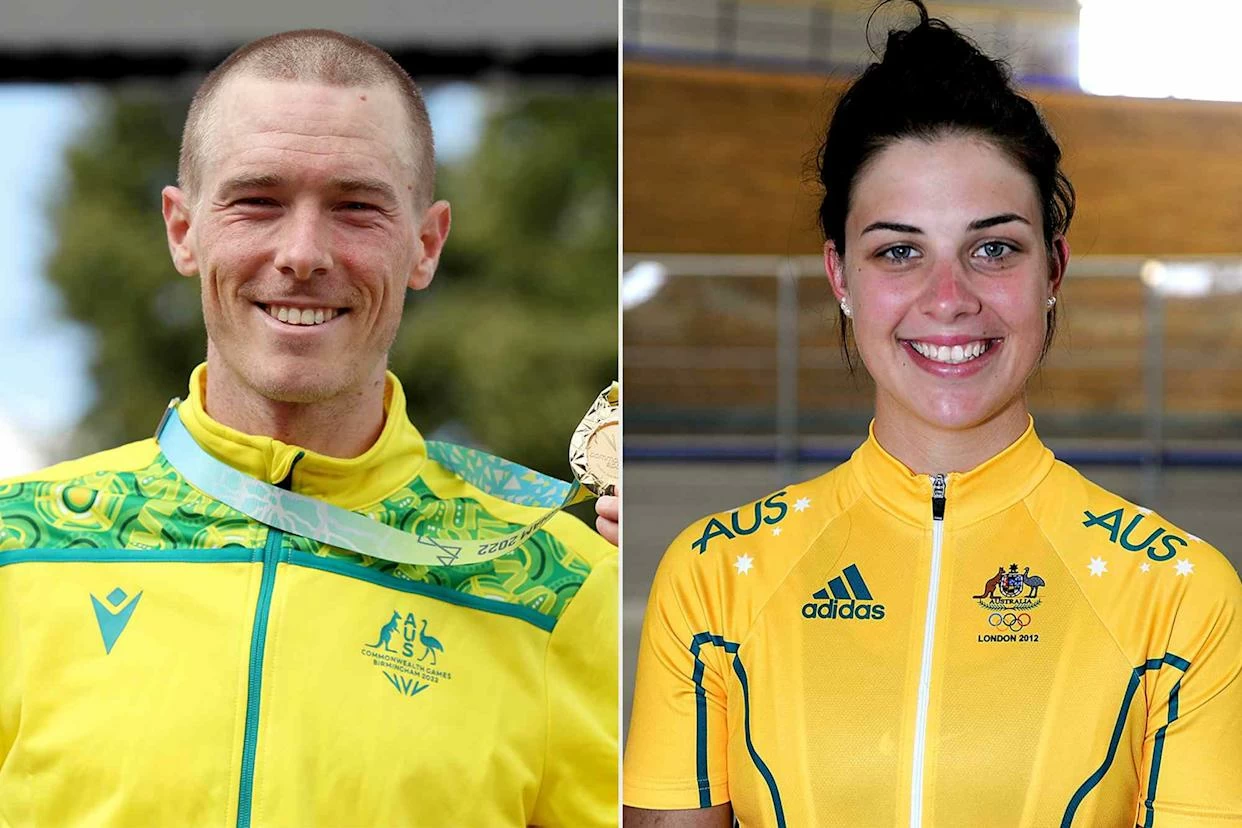
Former world champion cyclist Rohan Dennis sparked controversy by criticizing media coverage of his case related to his wife's death, claiming it tarnished his public image. The incident has raised questions about the ethics of media reporting in sensitive situations.
The events of the case date back to 2023, when his wife, former Olympic competitor Melissa Hoskins, tragically died in an incident in a suburb of Adelaide. She fell while holding onto a car driven by Dennis following an argument between them. This incident elicited mixed reactions within media circles.
Details of the Incident
During the proceedings, Dennis pleaded guilty to a charge related to potential harm, but the court concluded that he did not bear direct criminal responsibility for his wife's death. Although he acknowledged negligence in ensuring her safety, the court sentenced him to one year, four months, and 28 days in prison, suspended for two years, in addition to revoking his driving license for five years.
In a statement posted on his social media accounts, Dennis emphasized that he did not intend to harm his wife, asserting that their relationship was based on love. He criticized what he described as attempts by some media outlets to portray him as an "abusive husband," arguing that the coverage exceeded professional boundaries, particularly concerning the harassment of his family members, including children.
Context and Background
This case is part of a series of incidents highlighting the challenges athletes face in their personal lives. Hoskins was one of Australia's prominent cycling stars, having won a gold medal at the 2015 World Championships in the team pursuit event and represented her country in two Olympic Games. Meanwhile, Dennis has achieved significant milestones in his career, including two world titles in time trials and two Olympic medals.
Highlighting athletes' personal lives often leads to widespread controversy, especially when personal matters intersect with unfortunate events. The media plays a crucial role in shaping public opinion, but it can sometimes overstep boundaries.
Media Impact and Consequences
The ongoing media coverage in this manner may exacerbate his family's suffering, as Dennis urged media organizations to step back and allow the family to deal with the aftermath of the incident away from pressure and interference. This situation underscores the importance of balancing press freedom with individual rights, especially in sensitive cases.
This incident could lead to a reevaluation of how the media handles athletes' personal issues, potentially contributing to improved media coverage in the future.
Significance in the Arab Region
This case exemplifies how media affects individuals' lives, a topic of interest to many Arabs who follow sports news. In the Arab world, many athletes face similar challenges, where their personal lives intertwine with their professional careers, necessitating greater sensitivity from the media.
Understanding how media coverage impacts individuals' lives can help shape more responsible media policies in the region.
In conclusion, the case of Rohan Dennis highlights the importance of balancing freedom of expression with individual rights, requiring the media to be more aware of its responsibilities towards society.