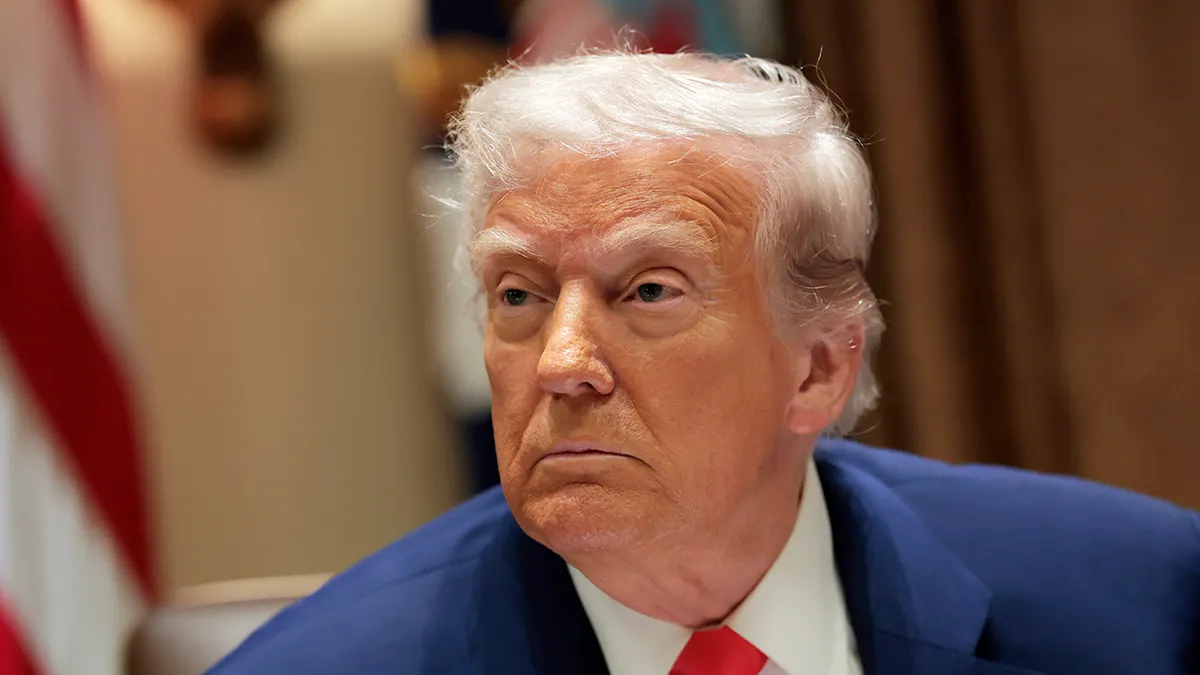
U.S. President Donald Trump and other American officials on Sunday characterized the rescue of an American pilot in Iran as a 'Resurrection miracle,' giving the operation a religious connotation. Trump employed phrases that framed the war as a just cause blessed by divine approval, which has drawn widespread criticism from observers and analysts.
Previous U.S. administrations typically avoided using religious rhetoric in military contexts, opting instead for traditional Easter greetings. However, in this instance, Trump chose to link the military operation with religious significance, raising questions about its impact on public opinion.
Details of the Operation
The operation conducted in Iran aimed to rescue an American pilot and was announced at a sensitive time for U.S.-Iran relations. Trump viewed this event as a victory for the United States, reflecting his inclination to bolster national spirit by intertwining religion with politics.
The rhetoric Trump employed was not merely an expression of pride; it was part of a broader strategy to enhance public support for his military policies. This use of religion in political discourse may elicit mixed reactions among Americans, particularly given the current political divisions.
Background & Context
Historically, U.S. administrations have shied away from using religion as a tool in foreign policy, focusing instead on democratic values and human rights. However, with Trump's rise to power, we have witnessed a shift in this direction, where religious discourse has become part of his political strategies.
This shift also reflects changes in American society, where a clear divide has emerged among different groups regarding the use of religion in politics. Some observers believe this approach may strengthen Trump's electoral base, while others argue it could lead to further divisions.
Impact & Consequences
The use of religious rhetoric in politics could have far-reaching implications for international relations, especially with countries that consider religion a fundamental aspect of their identity. Such discourse may escalate tensions between the United States and other nations, like Iran, which may perceive it as provocative.
Moreover, this rhetoric could influence American public opinion, potentially exacerbating divisions among various groups. Some Americans may view this use of religion as an attempt to exploit their religious sentiments, leading to negative reactions.
Regional Significance
In the Arab context, this rhetoric may have multiple effects. Arab nations experiencing tensions with the United States might interpret this use of religion as an attempt to justify American military policies. This could heighten feelings of resentment and rejection towards U.S. interventions in the region.
Additionally, this type of discourse may amplify nationalist and religious sentiments in some Arab countries, potentially escalating tensions between governments and their populations. Simultaneously, some Arab leaders may exploit this rhetoric to bolster their authority by linking religion with politics.
In conclusion, Trump's use of religion in the context of military operations may open a broad discussion on the relationship between religion and politics in the modern world. This situation calls for observers to analyze the potential impacts at both local and international levels.