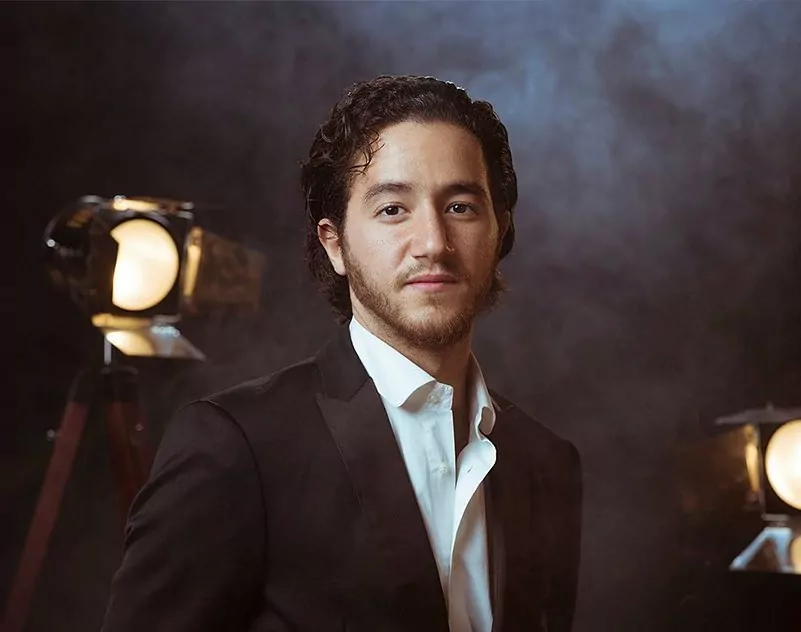
Film critic Tarek El-Shennawy has stated that actor Khaled Nabawy lacks the necessary qualifications to lead the Cairo International Film Festival. This comes at a crucial time for the festival as it seeks to enhance its position in the artistic arena.
During his remarks, El-Shennawy pointed out that leading the festival requires extensive experience in artistic management and organization, which Nabawy lacks despite his significant talent as an artist. These comments have sparked mixed reactions among artistic circles and the public.
Event Details
The Cairo International Film Festival, considered one of the oldest film festivals in the region, has faced numerous challenges in recent years. The organizers aim to present distinguished content that attracts both audiences and critics alike. In this context, the importance of selecting a leadership figure capable of guiding the festival towards success becomes evident.
El-Shennawy, known for his bold opinions, did not hesitate to express his concern about the impact of choosing Nabawy on the festival's reputation. He stated, "The festival needs a figure with experience in managing cultural events." These remarks come at a time when the festival is preparing for its upcoming edition, increasing the significance of the discussion surrounding appropriate leadership.
Background & Context
The Cairo International Film Festival was established in 1976 and is considered an important platform for both Arab and international cinema. Over the years, the festival has undergone many changes in its administration, affecting its trajectory. In recent years, the festival has attempted to regain its luster by hosting international films and presenting distinguished awards.
In this context, the selection of the festival president is a strategic step aimed at enhancing its stature. Previous editions of the festival have faced criticism due to certain selections, putting additional pressure on the organizers.
Impact & Consequences
The impact of El-Shennawy's statements could be significant on Nabawy's image within the artistic community. Such criticisms may lead to a decline in his chances of holding future leadership positions. Additionally, these remarks may open the door for broader discussions regarding the criteria for selecting leadership in film festivals.
On the other hand, these statements may bolster El-Shennawy's position as a bold and outspoken critic, potentially drawing more attention to his opinions in the future. At the same time, this controversy could emphasize the importance of experience and competence in selecting artistic leadership.
Regional Significance
Cinema is an integral part of Arab culture, and the Cairo International Film Festival is one of the most prominent events in this field. Therefore, any change in its leadership could impact Arab cinema as a whole. If an unqualified figure is chosen, it could lead to a decline in the festival's level and its influence on cinema in the region.
It is crucial to continue discussions on how to improve the management of film festivals, as these events play a vital role in promoting culture and the arts in the Arab world. There should be clear criteria for selecting leadership to ensure the success of these festivals.
In conclusion, the issue of who will lead the Cairo International Film Festival remains a contentious topic, and it seems that discussions on this matter will continue in the coming months.