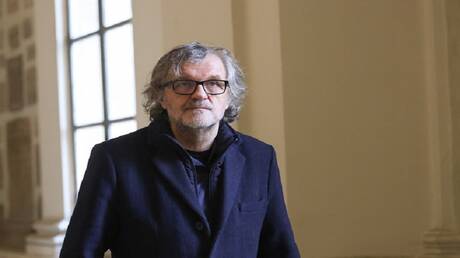
Serbian director Emir Kusturica criticized the absence of aesthetics and ethics in modern films, pointing out that cinema has undergone a significant transformation in its language and style due to social and cultural changes. He emphasized that these changes resulted from the rapid pace of audience perceptions, which have influenced the film industry.
Kusturica, regarded as one of the most prominent directors in cinema history, noted that the blockbuster films produced today lack artistic and ethical depth. He believes this absence reflects a shift in the values and principles that were once considered fundamental in previous cinematic works.
Details of the Event
During his talk, Kusturica explained that cinema today focuses more on commercial aspects, leading to a decline in artistic aesthetics. He pointed out that this trend contradicts the values that cinematic works were supposed to reflect, such as humanity and intellectual depth.
He also discussed his plans to acquire Russian citizenship, confirming that this decision is part of his quest to live in a cultural and artistic environment that aligns with his artistic vision. He expressed admiration for Russian culture, which is rich in history and art.
Background & Context
Historically, cinema has been seen as a means of expressing social and political issues, serving as a platform for conveying profound messages. Over time, these messages have begun to fade in favor of commercial productions aimed at achieving quick profits.
Kusturica's statements indicate a growing concern among directors and artists about the future of cinema, especially with the increasing influence of technology and digital media that are changing how audiences consume films.
Impact & Consequences
The absence of aesthetics and ethics in cinema could lead to negative effects on public culture, as human values in society may decline. This trend could also impact future generations who may grow up without a deep understanding of art and cinema.
Kusturica's warning serves as a call to reflect on the importance of preserving artistic values in cinema, which may encourage directors to reconsider their production methods.
Regional Significance
In the Arab region, cinema is a powerful means of expressing social and political issues. With the increase in cinematic productions, these changes could affect how local and global issues are addressed in Arab films.
Kusturica's remarks may inspire Arab directors to think about how to integrate aesthetics and ethics into their works, thereby enhancing the value of cinema as a tool for social change.
In conclusion, Emir Kusturica's comments highlight the importance of returning to the artistic and ethical aspects of cinema, which is fundamental for preserving cultural and artistic identity in a rapidly changing world.