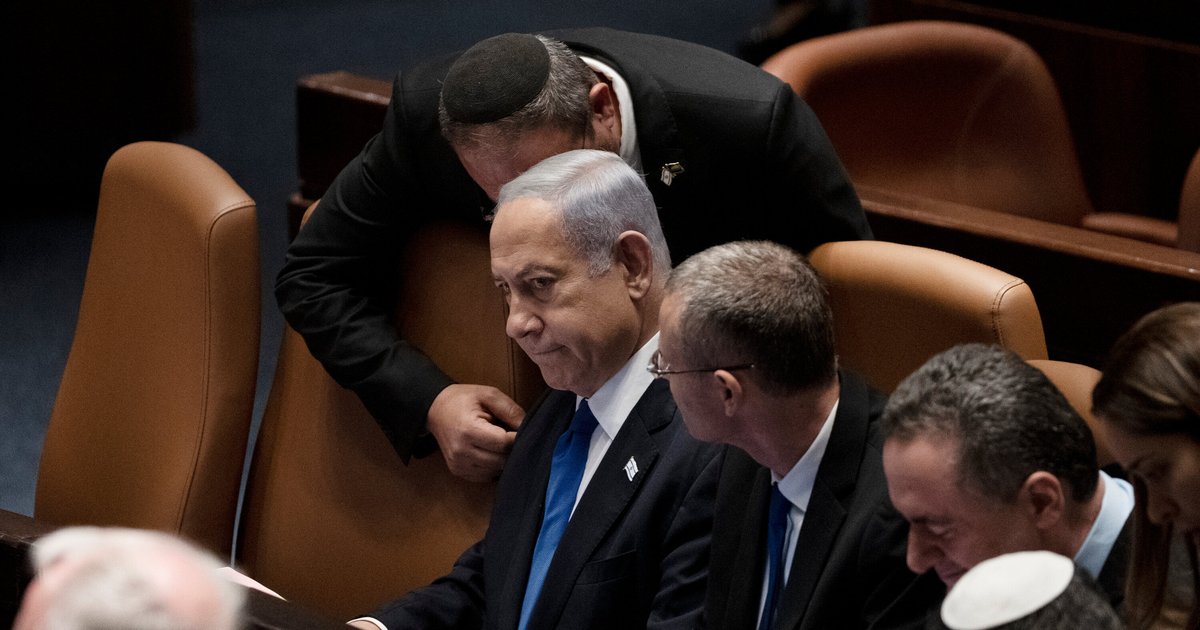
Israeli Prime Minister Benjamin Netanyahu is facing intense criticism from various observers and analysts who believe he lacks the ability to read the reality and understand history. These criticisms arise during a time of increasing tensions in the region, raising questions about Netanyahu's capacity to handle current challenges.
Concerns are growing that Netanyahu's policies may exacerbate the situation in the region, particularly in light of ongoing military escalations and clashes between Israel and Palestinians. Critics point out that Netanyahu's lack of historical understanding could lead him to make ill-considered decisions, potentially resulting in severe consequences for regional security and stability.
Details of Recent Events
Recently, the Palestinian territories have witnessed an escalation in military operations, with reports of violent confrontations between Israeli forces and Palestinian citizens. These events have sparked angry reactions from the international community, which has called for de-escalation and a return to the negotiating table. However, Netanyahu appears to be continuing his military approach, complicating the situation further.
Voices advocating for a reassessment of Israeli policies toward Palestinians are increasing, as many believe that military solutions will not lead to lasting peace. Instead, a deep understanding of history and contemporary realities is required, which many observers argue Netanyahu lacks.
Background & Context
The history of the Israeli-Palestinian conflict is fraught with tensions and struggles, dating back decades over land and rights disputes. Since the establishment of the State of Israel in 1948, the region has experienced numerous wars and crises, exacerbating humanitarian conditions in the Palestinian territories. In this context, understanding history is a crucial part of any attempt to achieve peace.
Netanyahu is considered a controversial figure, having served as Prime Minister of Israel multiple times and facing criticism for his hardline policies toward Palestinians. As tensions in the region escalate, he faces increasing pressure from both the international community and Israeli citizens, placing him in a difficult position.
Impact & Consequences
Netanyahu's current policies are affecting Israeli relations with Arab countries, with growing calls for boycotts of Israel from some nations. Additionally, the continuation of violence could lead to further escalation in the region, threatening regional security and heightening tensions.
Moreover, Netanyahu's inability to understand history may lead to poorly thought-out decisions, potentially worsening the situation and increasing Palestinian suffering. Under these circumstances, Israeli leaders need to reconsider their strategies and move toward peaceful solutions.
Regional Significance
The situation in the Palestinian territories is a central issue for the Arab world, evoking feelings of solidarity and support from many nations and peoples. The ongoing conflict and the failure to achieve peace directly affect the stability of the region, increasing tensions between Arab countries and Israel.
In this context, Arab leaders must work to enhance diplomatic efforts to achieve peace and support Palestinian rights in the face of hardline Israeli policies. There should also be Arab coordination to address the common challenges facing the region.
In conclusion, the question of the future of the Israeli-Palestinian conflict remains unresolved, requiring all parties to work seriously towards achieving peace and stability in the region.