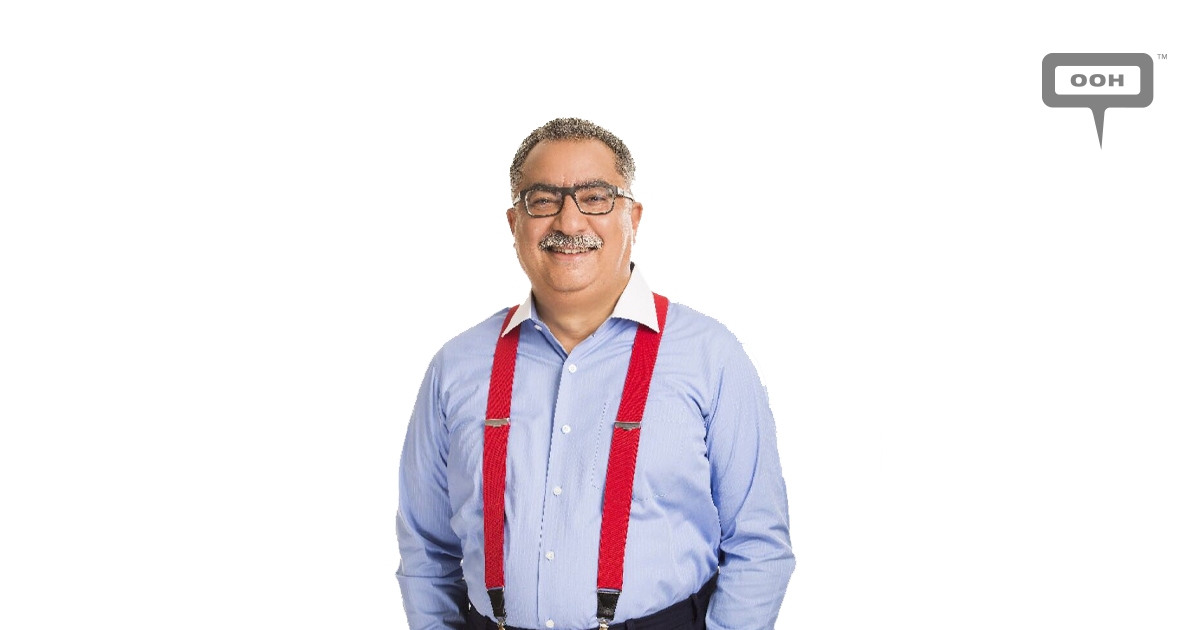
Egyptian media figure Ibrahim Eissa criticized the series 'Sahab Al-Ard', asserting that it has taken a wrong direction and should have been presented to foreign audiences instead of Egyptians. Eissa pointed out that the drama does not accurately reflect Egyptian culture, sparking widespread debate about its content and objectives.
During his talk on the program 'Hekayat', which airs on one of the Egyptian channels, Eissa confirmed that the series should have been designed in a way that aligns with Western tastes, rather than being presented to the Egyptian audience, who might not accept some of its elements. He believes this approach could negatively impact the image of Egyptian drama abroad.
Details of the Event
The plot of 'Sahab Al-Ard' revolves around a group of characters living in a complex social environment, addressing significant issues related to identity and belonging. However, Eissa criticized the way these issues were presented, noting that the series' treatment was not suitable for the Egyptian audience, who seeks content that reflects their reality and culture.
Eissa was not alone in his criticism of the series, as many critics and viewers engaged with his statements, affirming that Egyptian drama needs reevaluation of its directions and goals. Some pointed out that the series could have been more successful if it had been presented in a manner that aligns with Western culture, potentially opening new avenues for collaboration between Egyptian producers and global markets.
Background & Context
Egyptian drama is considered one of the most prominent arts in the Arab world, boasting a long history of achievements and successes. However, recent trends in dramatic production have raised questions about how to maintain Egyptian cultural identity amid openness to other cultures.
In recent years, Egyptian drama has witnessed multiple attempts to target global markets, leading to the production of works that may not always align with local tastes. This has sparked debate about how to preserve cultural authenticity amid rapid changes in the entertainment industry.
Impact & Consequences
Eissa's criticisms may influence the future of Egyptian series, potentially prompting producers to reconsider their strategies. If this trend continues, we might witness a shift in how dramatic works are presented, which could lead to an improvement in the quality of content offered to the Egyptian audience.
On the other hand, these criticisms could enhance cooperation between Egyptian producers and their counterparts in Western countries, contributing to an improved overall image of Egyptian drama in global markets.
Regional Significance
Egyptian drama is a leader in the Arab world, and new production trends may affect other Arab countries. If Egypt succeeds in presenting content that aligns with other cultures, it could lead to enhanced artistic collaboration between Arab and Western countries.
Ultimately, the question remains about how to maintain Egyptian cultural identity amid openness to other cultures. The criticisms raised by Ibrahim Eissa may be the beginning of a broader discussion about the future of Egyptian drama and how to present it in a way that aligns with the aspirations of both local and global audiences.