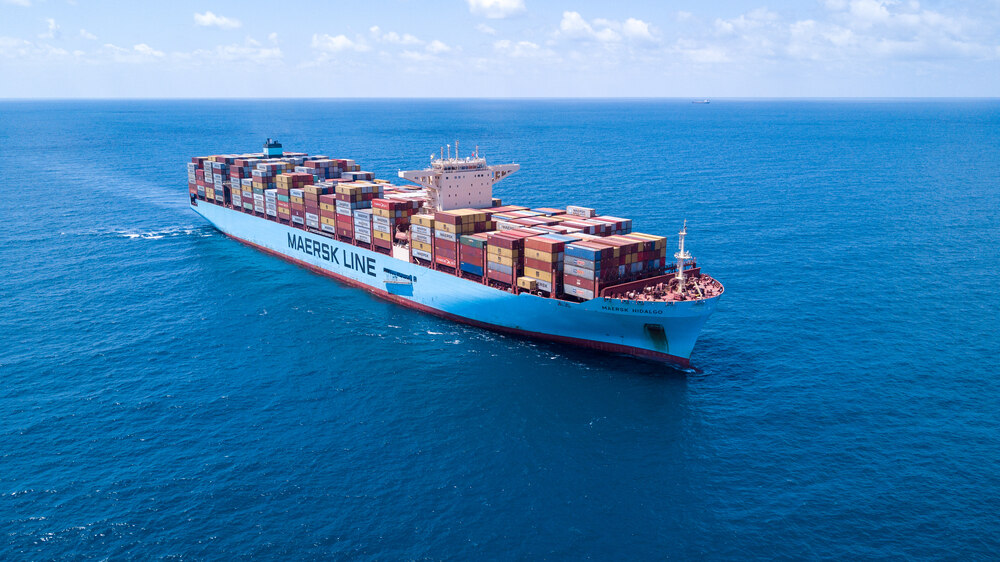
The global shipping company Maersk has announced the successful crossing of one of its commercial vessels through the Strait of Hormuz, a move that comes amidst escalating tensions in the region. The ship, which was protected by a US military force, underscores the importance of securing maritime routes under the current geopolitical conditions.
The Strait of Hormuz is one of the most critical maritime passages in the world, through which approximately 20% of the world's oil passes. With increasing security threats, securing this vital corridor has become a top priority for many countries, especially the United States.
Details of the Event
According to a statement from Maersk, the crossing was completed successfully and without any incidents. The vessel was carrying an important commercial cargo, highlighting the vital role the company plays in global trade. The US military protection is part of Washington's efforts to ensure safe navigation in the region, especially following a series of incidents that have occurred in the territorial waters.
It is noteworthy that this is not the first time Maersk has collaborated with US forces. The region has seen similar operations in the past, where several commercial vessels were secured under military protection in recent years.
Background & Context
Historically, the Strait of Hormuz has witnessed increasing tensions, particularly between Iran and the United States. In recent years, the intensity of the conflict has escalated, leading to repeated threats against commercial vessels. These conditions have prompted many companies to adopt additional security measures to ensure the safety of their shipments.
Moreover, regional tensions impact global oil prices, as the market reacts to any news related to security in the Strait of Hormuz. Therefore, any incident in this area can have widespread effects on the global economy.
Impact & Consequences
Securing navigation in the Strait of Hormuz has significant implications for global trade. With rising threats, companies may be forced to increase insurance costs, which will reflect on commodity prices. Additionally, any escalation in tensions could lead to disruptions in oil supplies, affecting global markets.
Furthermore, the presence of US forces in the region may heighten tensions with Iran, potentially leading to military or diplomatic responses. These dynamics make it essential to closely monitor developments in the area.
Regional Significance
The Arab countries neighboring the Strait of Hormuz, such as the UAE and Oman, are among the most affected by tensions in the region. Any escalation in the situation could impact the stability of these countries, reflecting on the economy and regional security.
These events also highlight the importance of regional and international cooperation to ensure maritime security. Arab countries need to strengthen their security strategies to safeguard maritime trade, especially under the current circumstances.
In conclusion, the incident of the Maersk ship crossing the Strait of Hormuz under US military protection reflects the importance of securing maritime routes amid rising tensions. The international community must take effective steps to ensure safe navigation and protect global trade.