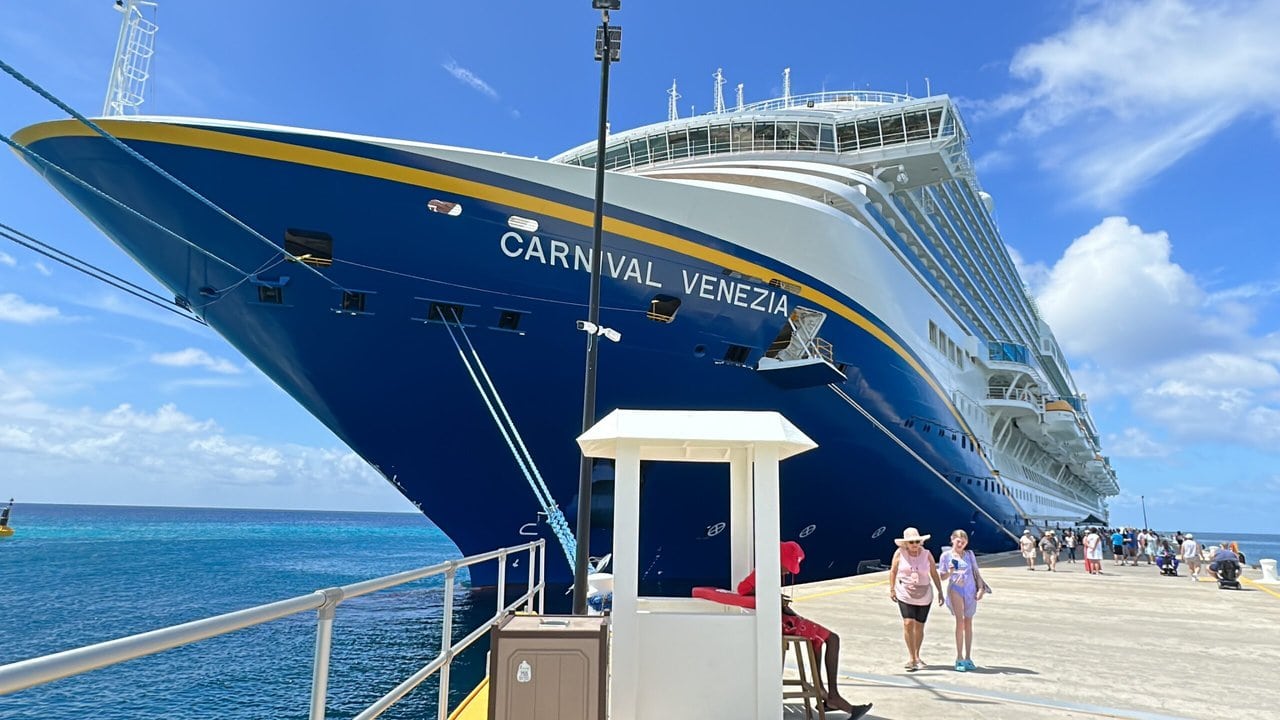
An Asian cruise line has announced its intention to impose additional fuel charges on ship bookings after they are made. This move comes at a time when the world is witnessing a significant rise in fuel prices, causing concern among travelers and cruise enthusiasts.
Cruise companies are striving to adapt to global economic changes, and some have already begun implementing these charges on new bookings. This decision could significantly affect the cost of cruise trips, as travelers are expected to experience new fees that were not previously in place.
Details of the Announcement
This step is part of a broader strategy adopted by cruise tourism companies to tackle economic challenges. With rising oil prices, companies find themselves compelled to adjust their service prices to cover increasing costs. Officials from one company indicated that these fees would help maintain the quality of services provided.
This decision comes at a sensitive time, as many people are eager to resume their cruise journeys after a long period of restrictions due to the COVID-19 pandemic. However, the addition of new fees may impact many travelers' decisions regarding travel, potentially leading to a decline in bookings.
Context and Background
Historically, the cruise industry has been one of the fastest-growing sectors in global tourism. However, economic challenges, including rising fuel prices, may affect this growth. In recent years, cruise companies have undergone significant changes in their business models, including offering new services and adjusting prices to meet market needs.
This move is also a response to changes in consumer behavior, as travelers have become more conscious of travel costs. While many people seek unique travel experiences, the introduction of new fees may lead to a decrease in demand for cruises.
Consequences and Impact
These new fees could have negative effects on the cruise tourism industry as a whole. Travelers may feel frustrated by the sudden increase in costs, prompting them to seek alternative options such as flying or choosing less expensive tourist destinations.
Moreover, this step may increase competition among cruise lines. Companies that can offer competitive prices and outstanding services may attract more customers, while those unable to adapt to these changes may face difficulties in remaining in the market.
Impact on the Arab Region
In the Arab region, cruise tourism is an important part of the tourism economy. Many Arab countries, such as Egypt and Turkey, rely on cruises to attract tourists. If companies continue to impose additional fees, it could affect the number of tourists visiting these countries, potentially leading to a decline in tourism revenue.
Arab companies need to consider new strategies to attract tourists, such as offering special deals or improving the services provided. In light of current challenges, companies must be able to adapt to economic changes to ensure their continued success.