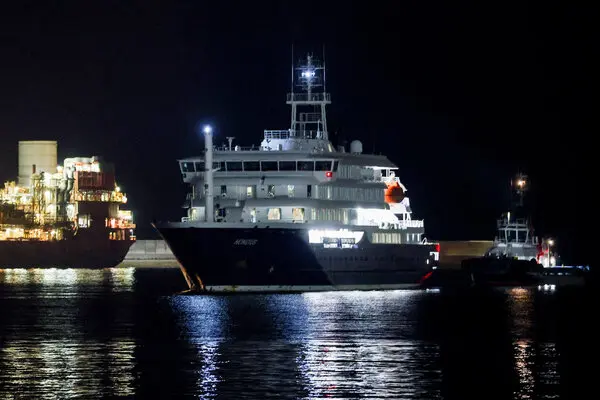
The cruise ship MV Hondius, linked to a Hantavirus outbreak, docked in the Canary Islands on Sunday, where infected passengers are set to disembark. The vessel, which has been on a cruise for more than a month, arrived at the port of Granadilla de Abona in Tenerife, the largest island in the archipelago, in the early hours of Sunday morning.
Reports indicate that three passengers have died since the journey began on April 11, while five others exhibited symptoms of the rare virus, which is transmitted by rodents, according to the World Health Organization. Additionally, six other individuals were confirmed infected, including a Dutch woman who died in South Africa, as well as British citizens and a man who was hospitalized in Switzerland.
Details of the Incident
Oceanwide Expeditions, the company operating the ship, confirmed that all crew members and passengers who arrived in Tenerife were asymptomatic. Among them are four medical personnel who boarded the ship while it was anchored off the coast of Cape Verde.
The ship will remain anchored in waters off an industrial port in Tenerife, away from the population, where passengers will be transferred to shore via small boats and then directed to a local airport for their return to their home countries.
Background & Context
Hantavirus is a rare group of viruses that are transmitted to humans through rodents, and previous outbreaks have been recorded in various parts of the world. This virus is considered dangerous as it can lead to severe respiratory illnesses, and its outbreak on this ship has raised significant concerns regarding the safety of passengers and crew.
Historically, cruise ships have experienced several outbreaks of infectious diseases, prompting health authorities to implement strict measures to ensure passenger safety. This incident highlights the importance of medical screening and health precautions on cruise voyages.
Impact & Consequences
This incident raises questions about how to manage epidemics aboard cruise ships, as these environments can be closed and contribute to the rapid spread of diseases. Cruise companies must enhance health safety measures and provide necessary screenings for passengers prior to boarding.
Furthermore, this incident may impact the cruise tourism industry as some travelers may hesitate to travel on ships due to fears of infectious diseases. It is crucial for companies to take effective steps to restore traveler confidence.
Regional Significance
Given the importance of tourism in the Arab region, outbreaks of infectious diseases aboard cruise ships can affect tourism in Arab countries that rely on international tourists. Arab governments should enhance public health measures at ports and airports to ensure the safety of travelers.
In conclusion, this incident underscores the need for enhanced international cooperation in public health to address global health challenges and ensure the safety of travelers worldwide.